1,4-alpha-glucan branching enzyme 1
Last updated 11 Apr 2023
Meets Patient’s editorial guidelines
- DownloadDownload
- Share
- Language
- Discussion
- Ask Patient
- Audio Version
- Add to preferred sources on Google
The GBE1 gene provides instructions for making the glycogen branching enzyme. This enzyme is involved in the last step of the production of a complex sugar called glycogen, which is a major source of stored energy in the body. Glycogen is made up of many molecules of a simple sugar called glucose; some glucose molecules are linked together in a straight line, while others branch off the main line and form side chains. The glycogen branching enzyme is involved in the formation of these side chains. The branched structure of glycogen makes it more compact for storage and allows it to break down more easily when it is needed for fuel.
Video picks for GenesVideo library
Normal function
The GBE1 gene provides instructions for making the glycogen branching enzyme. This enzyme is involved in the last step of the production of a complex sugar called glycogen, which is a major source of stored energy in the body. Glycogen is made up of many molecules of a simple sugar called glucose; some glucose molecules are linked together in a straight line, while others branch off the main line and form side chains. The glycogen branching enzyme is involved in the formation of these side chains. The branched structure of glycogen makes it more compact for storage and allows it to break down more easily when it is needed for fuel.
Conditions referring to this gene or chromosome
Other names
amylo-(1,4 to 1,6) transglucosidase
amylo-(1,4 to 1,6) transglycosylase
GBE
GLGB_HUMAN
glucan (1,4-alpha-), branching enzyme 1
glycogen branching enzyme
Patient picks for Genes

Heart health and blood vessels
Cardiac enzymes
Cardiac enzymes are substances released by the heart muscle when it is injured - for example, during a heart attack or a severe case of angina.
by Dr Colin Tidy, MRCGP

Children's health
Alpha-1 antitrypsin deficiency
Alpha-1 antitrypsin deficiency is an inherited genetic condition. A genetic condition is one that can be passed on from parents through genes. In alpha-1 antitrypsin deficiency the result of a genetic abnormality leads to lung and, in some people, liver damage. Lung symptoms are the most common and include shortness of breath, cough and wheezing. Symptoms can worsen over time. At present, there is no cure for alpha-1 antitrypsin deficiency. Treatment aims at slowing down the progression of the disease.
by Dr Philippa Vincent, MRCGP
Treatment and medication
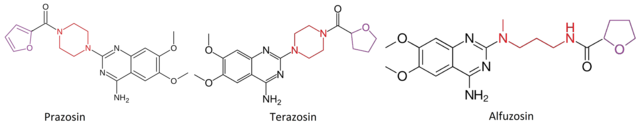
Alpha-blockers
Alpha-blockers are medicines that are mainly used to treat high blood pressure (hypertension) and problems with passing urine in men who have enlargement of the prostate gland. Prostate gland enlargement is also called benign prostatic hyperplasia (BPH).
by Dr Doug McKechnie, MRCGP
Medicine
Phenoxybenzamine - an alpha-blocker
Adults will normally start with one capsule a day. This dose may then be increased over the next few days. It is common to feel dizzy or light-headed initially. This should soon settle. You may be given other medicines to take alongside phenoxybenzamine.
by Michael Stewart, MRPharmS

Risks of diabetes
What can someone with type 1 diabetes do to stop their glucose going too high?
Dr Sarah Jarvis MBE For more information on continuous glucose monitoring, go to [https://patient.info/health/type-1-diabetes/features/continuous-glucose-monitoring-in-type-1-diabetes](https://patient.info/health/type-1-diabetes/features/continuous-glucose-monitoring-in-type-1-diabetes)
by Dr Sarah Jarvis

Type 1 diabetes
How does type 1 diabetes affect your weight?
Dr Partha Kar The symptoms that usually occur when you first develop type 1 diabetes are: thirst, regular passing of urine, tiredness, weight loss and feeling generally unwell. For more information on type 1 diabetes, go to [https://patient.info/health/type-1-diabetes](https://patient.info/health/type-1-diabetes)
by Dr Partha Kar, FRCP
Related patient information and medicines

Patient information leaflet
Acute pancreatitis
It is occasionally possible to have acute pancreatitis without any pain; this is more common in people with diabetes or kidney problems. Being sick (vomiting). A high temperature (fever) Fever and generally feeling very unwell are common. What happens in acute pancreatitis. The digestive chemicals (enzymes) that are made in the pancreas become.

Patient information leaflet
Glycogen storage disorders
Glycogen storage disorders are a group of inherited diseases. They result from a problem with one of the proteins (known as enzymes) involved in the conversion of glucose to glycogen, or the breakdown of glycogen back into glucose. They mostly tend to affect your liver and muscles. Most are diagnosed in childhood. Newer treatment possibilities.

Patient information leaflet
Gilbert's syndrome
Gilbert's syndrome is due to an inherited defect in processing bilirubin in the liver. Bilirubin is produced from the breakdown of red blood cells. About 1 in 20 people have this syndrome - but 1 in 3 people who have it will not know that they have it. It is more common in men than in women, and in people with diabetes (especially type 1 diabetes.

Patient information leaflet
Liver function tests
Liver function tests are a set of blood tests commonly done to check on the health of your liver. Changes in liver function tests give a clue as to whether your liver is under strain, inflamed, infected or diseased, and how badly. The pattern of the liver function tests can give a clue to the cause and can allow early detection of unsuspected.
Patient information leaflet
Chronic pancreatitis
Chronic pancreatitis can cause tummy (abdominal) pain, poor digestion, diabetes and other complications. Alcohol is the common cause. Treatment includes painkillers, other medication and, most importantly, stopping alcohol drinking for good. Surgery is sometimes needed. What is chronic pancreatitis. Chronic pancreatitis is long-term inflammation.

Patient information leaflet
Obstetric cholestasis
Obstetric cholestasis is a rare condition. It only affects pregnant women. In the UK fewer than 1 in 100 pregnant women will develop it. What is obstetric cholestasis. 'Obstetric' relates to the area of medicine caring for pregnant women. 'Cholestasis' means there is a slowing down of the flow of bile down the bile ducts in the liver. This slowing.
Further reading and references
- 1,4-alpha-glucan branching enzyme 1; MedlinePlus, National Library of Medicine.
- Bruno C, van Diggelen OP, Cassandrini D, Gimpelev M, Giuffre B, Donati MA, Introvini P, Alegria A, Assereto S, Morandi L, Mora M, Tonoli E, Mascelli S, Traverso M, Pasquini E, Bado M, Vilarinho L, van Noort G, Mosca F, DiMauro S, Zara F, Minetti C. Clinical and genetic heterogeneity of branching enzyme deficiency (glycogenosis type IV). Neurology. 2004 Sep 28;63(6):1053-8. doi: 10.1212/01.wnl.0000138429.11433.0d.
- Klein CJ, Boes CJ, Chapin JE, Lynch CD, Campeau NG, Dyck PJ, Dyck PJ. Adult polyglucosan body disease: case description of an expanding genetic and clinical syndrome. Muscle Nerve. 2004 Feb;29(2):323-8. doi: 10.1002/mus.10520.
- Lossos A, Meiner Z, Barash V, Soffer D, Schlesinger I, Abramsky O, Argov Z, Shpitzen S, Meiner V. Adult polyglucosan body disease in Ashkenazi Jewish patients carrying the Tyr329Ser mutation in the glycogen-branching enzyme gene. Ann Neurol. 1998 Dec;44(6):867-72. doi: 10.1002/ana.410440604.
- Massa R, Bruno C, Martorana A, de Stefano N, van Diggelen OP, Federico A. Adult polyglucosan body disease: proton magnetic resonance spectroscopy of the brain and novel mutation in the GBE1 gene. Muscle Nerve. 2008 Apr;37(4):530-6. doi: 10.1002/mus.20916.
- Mochel F, Schiffmann R, Steenweg ME, Akman HO, Wallace M, Sedel F, Laforet P, Levy R, Powers JM, Demeret S, Maisonobe T, Froissart R, Da Nobrega BB, Fogel BL, Natowicz MR, Lubetzki C, Durr A, Brice A, Rosenmann H, Barash V, Kakhlon O, Gomori JM, van der Knaap MS, Lossos A. Adult polyglucosan body disease: Natural History and Key Magnetic Resonance Imaging Findings. Ann Neurol. 2012 Sep;72(3):433-41. doi: 10.1002/ana.23598.
- Moses SW, Parvari R. The variable presentations of glycogen storage disease type IV: a review of clinical, enzymatic and molecular studies. Curr Mol Med. 2002 Mar;2(2):177-88. doi: 10.2174/1566524024605815.
- Nolte KW, Janecke AR, Vorgerd M, Weis J, Schroder JM. Congenital type IV glycogenosis: the spectrum of pleomorphic polyglucosan bodies in muscle, nerve, and spinal cord with two novel mutations in the GBE1 gene. Acta Neuropathol. 2008 Nov;116(5):491-506. doi: 10.1007/s00401-008-0417-8. Epub 2008 Jul 26.
Share your thoughts or experiences with others in our patient communities.
Simple access to trusted treatments and health services online.
Common conditions
Get help with common conditions through the NHS, without a GP appointment.





Sign up to the Patient newsletter
Your weekly dose of clear, trustworthy health advice - written to help you feel informed, confident and in control.
By subscribing you accept our Privacy Policy. You can unsubscribe at any time. We never sell your data.