kelch like family member 3
Last updated 12 Apr 2023
Meets Patient’s editorial guidelines
- DownloadDownload
- Share
- Language
- Discussion
- Ask Patient
- Audio Version
- Add to preferred sources on Google
The KLHL3 gene provides instructions for making a protein that plays a role in the cell machinery that breaks down (degrades) unwanted proteins, called the ubiquitin-proteasome system.
Video picks for GenesVideo library
Normal function
The KLHL3 gene provides instructions for making a protein that plays a role in the cell machinery that breaks down (degrades) unwanted proteins, called the ubiquitin-proteasome system.
The KLHL3 protein is one piece of a complex known as an E3 ubiquitin ligase. E3 ubiquitin ligases function as part of the ubiquitin-proteasome system by tagging damaged and excess proteins with molecules called ubiquitin. Ubiquitin serves as a signal to specialized cell structures known as proteasomes, which attach (bind) to the tagged proteins and degrade them. The ubiquitin-proteasome system acts as the cell's quality control system by disposing of damaged, misshapen, and excess proteins. This system also regulates the level of proteins involved in several critical cell activities such as the timing of cell division and growth.
The KLHL3 protein identifies the target of the E3 ubiquitin ligase complex and attaches the complex to it. Complexes containing the KLHL3 protein tag proteins called WNK1 and WNK4 with ubiquitin. The WNK1 and WNK4 proteins are involved in controlling blood pressure in the body. By regulating the amount of these proteins available, KLHL3 plays a role in blood pressure control.
Conditions referring to this gene or chromosome
Other names
kelch-like family member 3
kelch-like protein 3 isoform 1
kelch-like protein 3 isoform 2
kelch-like protein 3 isoform 3
KIAA1129
PHA2D
Patient picks for Genes

Podcasts
What are relationships anyway?
Relationships – what are they? We often think of relationships as intimate with a partner and yet we actually have hundreds of relationships with friends, family, at work, at play even with nature and beyond. Clare and Aileen kick off the season by discussing the breadth of relationships.
by Thomas Andrew Porteus, MBCS

Mental health
Not quite 'back to normal': a guide to post-pandemic family healing
When news broke in late 2019 of a virus spreading rapidly across the globe, the word ‘unprecedented’ quickly became part of everyday vocabulary in the months that followed. The outbreak of Covid-19 marked the world’s most significant public health crisis in at least a century, shaking the foundations of the one place we usually feel most secure - the home. It is no surprise that years of disrupted routines have left a lasting mark on the family unit. From the sudden loss of support networks to the blurring of boundaries between home, school, and work, the pandemic reshaped how families function. We spoke with a psychotherapist to explore these long-term psychological ripples and why reflecting on that period is essential for understanding - and healing - the family dynamic today.
by Victoria Raw

Podcasts
The parental minefield
How often have you said something quite ordinary to a parent, or they’ve said something to you and suddenly the room feels like it’s about to explode? Welcome to the parental nightmare. It’s not just about conflict, it’s about what’s hidden underneath these relationships – family secrets, unspoken stories, patterns of behaviour passed from one generation to the next. In this episode Clare and Aileen explore the complex, often lifelong, relationship we have with our parents and discuss practical strategies to help you navigate this important relationship.
by Thomas Andrew Porteus, MBCS

Children's health
Pearson syndrome: how one family learned to live in the present
Pearson syndrome is a rare and serious mitochondrial disorder that typically affects infants and young children. There is currently no cure, and it is usually life-threatening. We follow one family’s journey of living with the condition, exploring how it shapes their everyday lives, the challenges they face, and what it truly means to cherish every moment.
by Victoria Raw
COVID-19
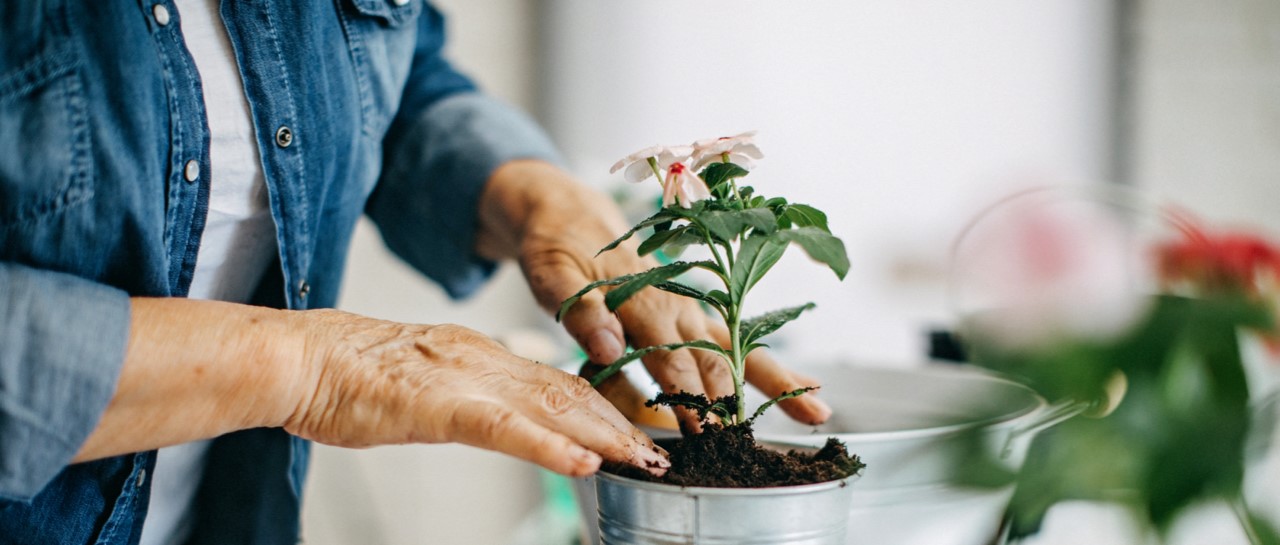
COVID-19: how to support vulnerable friends and family during the coronavirus pandemic
Current coronavirus lockdown measures are especially challenging for older people and those with mental health issues and underlying health conditions. We look at how to support vulnerable loved ones during the COVID-19 pandemic.
by Sally Turner
COVID-19
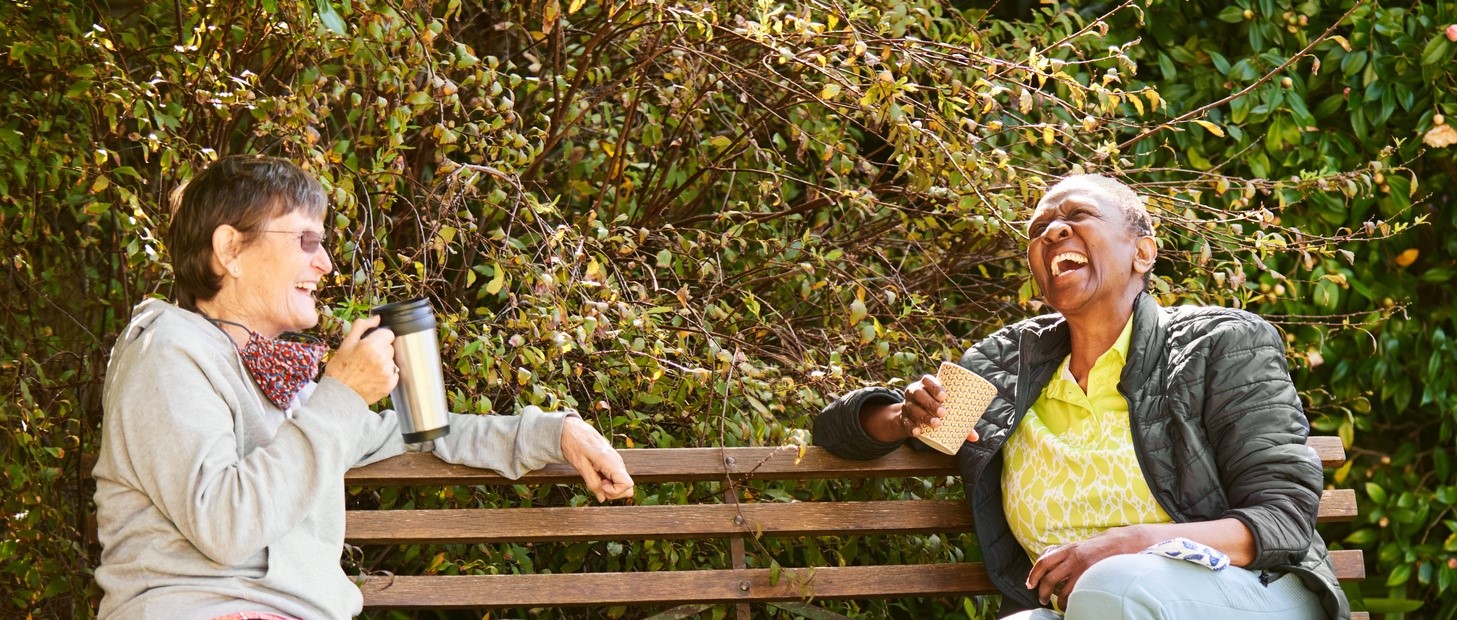
How to meet friends and family safely outdoors
Across the UK, lockdowns are easing and we're allowed to see friends and family outside (and indoors too if you live in England or Scotland). But that doesn't mean the risk of spreading COVID-19 has vanished; you still need to take precautions to keep yourself and your loved ones safe.
by Andrea Downey
Related patient information and medicines
Patient information leaflet
Keloid
A keloid (also called a keloid scar) is an overgrowth of a scar, after the skin has been damaged. It is an abnormal type of wound healing. It is particularly common in people with dark skin or who have family members who have developed keloid scars. What is a keloid scar. Most people who develop a keloid are between 10-30 years old. Half of people.

Patient information leaflet
Albinism
Albinism is an inherited condition that leads to someone having very light skin, hair, and eyes. It happens because they have less melanin than usual in their body. For a recessive condition (like most types of albinism) to occur, both of the person's chromosomes must carry that trait - that is, the one from the mother and the one from the father..
Patient information leaflet
Alcohol use disorder
Many people drink alcohol. For some, alcohol is something that they enjoy in moderation. Other people drink alcoho... Some people can find it very difficult to control, or stop, their drinking. What is alcohol use disorder. Alcohol use disorder means drinking alcohol in a way that causes harm. If you or a family member has alcohol use disorder.

Patient information leaflet
Huntington's disease
Most people who have this type of Huntington's disease inherit the condition from their father... Huntington's disease is caused by a defective gene that you inherit from your parents. Huntington's disease is an autosomal dominant condition, meaning you can inherit the disease from just one of your parents. If a member of your family who is.

Patient information leaflet
Retinoblastoma
Around 80 cases are diagnosed in the U... Even though retinoblastoma is a genetic disease, most of these cases occur in families who have never had a family member with retinoblastoma. What causes retinoblastoma. Siblings of an affected child in a family in which no other family members have had the disease have only a small risk of disease. See.
Patient information leaflet
Febrile seizure
They are rare in children aged under 3 months and over the age of 6 years. Febrile seizures are more common in children who have had a previous febrile seizure (3-5 out of 10 children who have had one febrile seizure will go on to have another one). They are also more common in children with a family history of febrile seizures (another family.
Further reading and references
- kelch like family member 3; MedlinePlus, National Library of Medicine.
- Boyden LM, Choi M, Choate KA, Nelson-Williams CJ, Farhi A, Toka HR, Tikhonova IR, Bjornson R, Mane SM, Colussi G, Lebel M, Gordon RD, Semmekrot BA, Poujol A, Valimaki MJ, De Ferrari ME, Sanjad SA, Gutkin M, Karet FE, Tucci JR, Stockigt JR, Keppler-Noreuil KM, Porter CC, Anand SK, Whiteford ML, Davis ID, Dewar SB, Bettinelli A, Fadrowski JJ, Belsha CW, Hunley TE, Nelson RD, Trachtman H, Cole TR, Pinsk M, Bockenhauer D, Shenoy M, Vaidyanathan P, Foreman JW, Rasoulpour M, Thameem F, Al-Shahrouri HZ, Radhakrishnan J, Gharavi AG, Goilav B, Lifton RP. Mutations in kelch-like 3 and cullin 3 cause hypertension and electrolyte abnormalities. Nature. 2012 Jan 22;482(7383):98-102. doi: 10.1038/nature10814.
- Louis-Dit-Picard H, Barc J, Trujillano D, Miserey-Lenkei S, Bouatia-Naji N, Pylypenko O, Beaurain G, Bonnefond A, Sand O, Simian C, Vidal-Petiot E, Soukaseum C, Mandet C, Broux F, Chabre O, Delahousse M, Esnault V, Fiquet B, Houillier P, Bagnis CI, Koenig J, Konrad M, Landais P, Mourani C, Niaudet P, Probst V, Thauvin C, Unwin RJ, Soroka SD, Ehret G, Ossowski S, Caulfield M; International Consortium for Blood Pressure (ICBP); Bruneval P, Estivill X, Froguel P, Hadchouel J, Schott JJ, Jeunemaitre X. KLHL3 mutations cause familial hyperkalemic hypertension by impairing ion transport in the distal nephron. Nat Genet. 2012 Mar 11;44(4):456-60, S1-3. doi: 10.1038/ng.2218.
- Mori Y, Wakabayashi M, Mori T, Araki Y, Sohara E, Rai T, Sasaki S, Uchida S. Decrease of WNK4 ubiquitination by disease-causing mutations of KLHL3 through different molecular mechanisms. Biochem Biophys Res Commun. 2013 Sep 13;439(1):30-4. doi: 10.1016/j.bbrc.2013.08.035. Epub 2013 Aug 17.
- Ohta A, Schumacher FR, Mehellou Y, Johnson C, Knebel A, Macartney TJ, Wood NT, Alessi DR, Kurz T. The CUL3-KLHL3 E3 ligase complex mutated in Gordon's hypertension syndrome interacts with and ubiquitylates WNK isoforms: disease-causing mutations in KLHL3 and WNK4 disrupt interaction. Biochem J. 2013 Apr 1;451(1):111-22. doi: 10.1042/BJ20121903.
- Shibata S, Zhang J, Puthumana J, Stone KL, Lifton RP. Kelch-like 3 and Cullin 3 regulate electrolyte homeostasis via ubiquitination and degradation of WNK4. Proc Natl Acad Sci U S A. 2013 May 7;110(19):7838-43. doi: 10.1073/pnas.1304592110. Epub 2013 Apr 1.
Share your thoughts or experiences with others in our patient communities.
Simple access to trusted treatments and health services online.
Common conditions
Get help with common conditions through the NHS, without a GP appointment.





Sign up to the Patient newsletter
Your weekly dose of clear, trustworthy health advice - written to help you feel informed, confident and in control.
By subscribing you accept our Privacy Policy. You can unsubscribe at any time. We never sell your data.