
New Year Resolutions: how to make environmentally friendly lifestyle changes
Peer reviewed by Dr Krishna Vakharia, MRCGPLast updated by Lydia SmithLast updated 2 Jan 2023
Meets Patient’s editorial guidelines
- DownloadDownload
- Share
- Language
- Discussion
- Ask Patient
- Audio Version
- Add to preferred sources on Google
Many of us vow to become healthier, more active and organised at the start of a new year, but an increasing number of people are making environment-related resolutions too. Whether it's creating less food waste or improving sustainable eating, there are plenty of ways we can make a difference to the environment as individuals.
Video picks for Festive healthVideo library
Why make environmental lifestyle changes?
Climate change threatens people with food and water scarcity, increased flooding, extreme heat, more disease and economic loss. However, there has been a renewed focus on the environment and preserving a liveable climate - and there are plenty of lifestyle changes we can make to help.
Research carried out at the start of 2021 suggests more people are making New Year's resolutions and lifestyle changes to reduce their impact on the environment. The environmental charity Hubbub surveyed 3,000 adults and found that one in six planned to live more sustainably.
The green resolutions ranked even higher than the usual resolutions, such as taking up a new hobby. Recycling topped the list, with over half of the group claiming they wanted to get better at it. Then came plans to eat a more sustainable diet and less meat (49%), cycling or walking more (38%) and wasting less food (36%). Although most people struggle to stick to their resolutions past January, the survey suggested many people wanted to commit to a greener way of living in the long term.
How to change your lifestyle in the new year
Sustainable eating
Research suggests meat production - especially red meat - is one of the largest contributors to global warming, as it releases greenhouse gas emissions such as methane, carbon dioxide -CO2, and nitrous oxide. Although fewer people are eating meat in general, studies show it will take more people cutting back to make a significant difference to the planet.
"Working on consuming less meat and dairy as part of a balanced diet are two of the changes that can make a big impact on our environment," says Reema Patel, registered dietitian at Dietitian Fit. "If you do choose to enjoy meat in your diet, try to choose local produce such as cows raised on grass pasture in the UK, compared to meat that comes from overseas."
Going from eating meat three days a week to one or two can make a big difference and make it easier to adjust your diet. "Opting for more beans and lentils in some dishes - such as a chilli with half mince and half beans or a lentil Bolognese - can be great ways to reduce meat consumption overall," says Patel. "Increasing our intake of vegetables is also key. Fruit and vegetables also have a much smaller carbon footprint compared to meat and dairy."
Of course, there are also many health benefits to a plant-based diet and eating more plant-based foods. An entirely vegan diet is more suitable for some than others and if you have underlying medical conditions, you should consult a dietitian before making huge changes.
Try to avoid food waste
Many of us waste food without meaning to, whether it is by accidentally cooking too much and forgetting to eat the leftovers, or by buying too much produce.
"Another key area of change we can make is to work towards preventing food waste," says Patel. "Try to plan meals in advance and only buy what you need to help prevent items from going out of date or being wasted and ending up in the bin."
Eat locally
What we eat can have a huge carbon footprint, depending on where we get it from. Many supermarkets advertise goods that have been sourced in the UK, so it's easier to shop more sustainably.
"Locally grown and seasonal produce is the best choice for the environment and to support our local farming industry," advises Patel. "Try a local veg box delivery to help give you easy access to a variety of fruits and vegetables."
Use the car less
Sometimes, using the car is unavoidable. However, leaving it at home and walking or cycling when possible can make a big difference to the planet and is more eco-friendly, while doing physical acitivity to improve your health and fitness too.
A study published in 2020 found that among those who didn't exercise regularly, taking an extra 4,000 steps per day may help reduce the likelihood of developing heart disease - even when walking at a leisurely pace. Simply being outdoors can provide a significant boost to our physical and mental health, by lowering stress and reducing blood pressure and heart rate.
Cut back on disposable plates and cups
According to estimates, England uses 1.1 billion single-use plates and 4.25 billion items of single-use cutlery - most of which are plastic - per year. However, only 10% are recycled upon disposal.
If you tend to grab a coffee on your way to work, bringing your own reusable cup can make a big difference. Additionally, cafés sometimes offer a reduction if you bring your own cup too. If you get takeaways at lunchtime, bring your own cutlery.
Buy second-hand
According to the charity Clothes Aid, around £140 million worth of used but still wearable clothing goes to landfill in the UK every year. Giving up on 'fast fashion' in favour of only buying things you need that will last a long time can make a big impact. It can also help to check second-hand websites such as Ebay or Vinted before buying new items, or arrange regular clothes swaps with friends.
Patient picks for Festive health
Healthy living
How to maintain your fitness New Year's resolutions
Many of us like to set New Year's resolutions, and often vow to start exercising more or become healthier. However, on average, 80% of New Year's resolutions fail by the second week of February and fitness resolutions in particular can be challenging to keep up. So, how can you maintain your fitness goals when the urge to stay in bed rather than jog to the gym on a cold January morning is just so strong?
by Lynn Stephen
Mental health
Why new year's resolutions fail - and what you can do about it
As good as our intentions are at the start of the year, we can sometimes put ourselves under immense pressure to see through our new year’s resolutions. Failing to meet our own expectations can make us give them up entirely, which has a knock-on effect on our mental health. When this happens, what can be done to ensure we stick to our goals for the year?
by Rose Butcher
Mental health
Why we should be making mental health New Year resolutions
New Year resolutions often revolve around exercise and diets, but we can also use this time to think about how we can improve our mental health too. So what kind of goals can you set for your wellbeing - and how can you stick to them?
by Lydia Smith

Mental health
How to avoid stress over Christmas and the New Year
Many of us see the festive period as a time for celebrating, but it can easily feel overwhelming. From spending money on presents to non-stop social obligations and extended time with family, Christmas can easily become exhausting and stressful.
by Lynn Stephen

COVID-19
How to maintain a healthy lifestyle during lockdown
COVID-19 has made some remarkable changes to our lifestyles. To cope with these sudden changes, many of us turned to our cupboards and ate and drank more while sitting at home. One year later, these habits have resulted in many of us feeling less fit than we were before the pandemic.
by Karine Patel, RD
Women's health
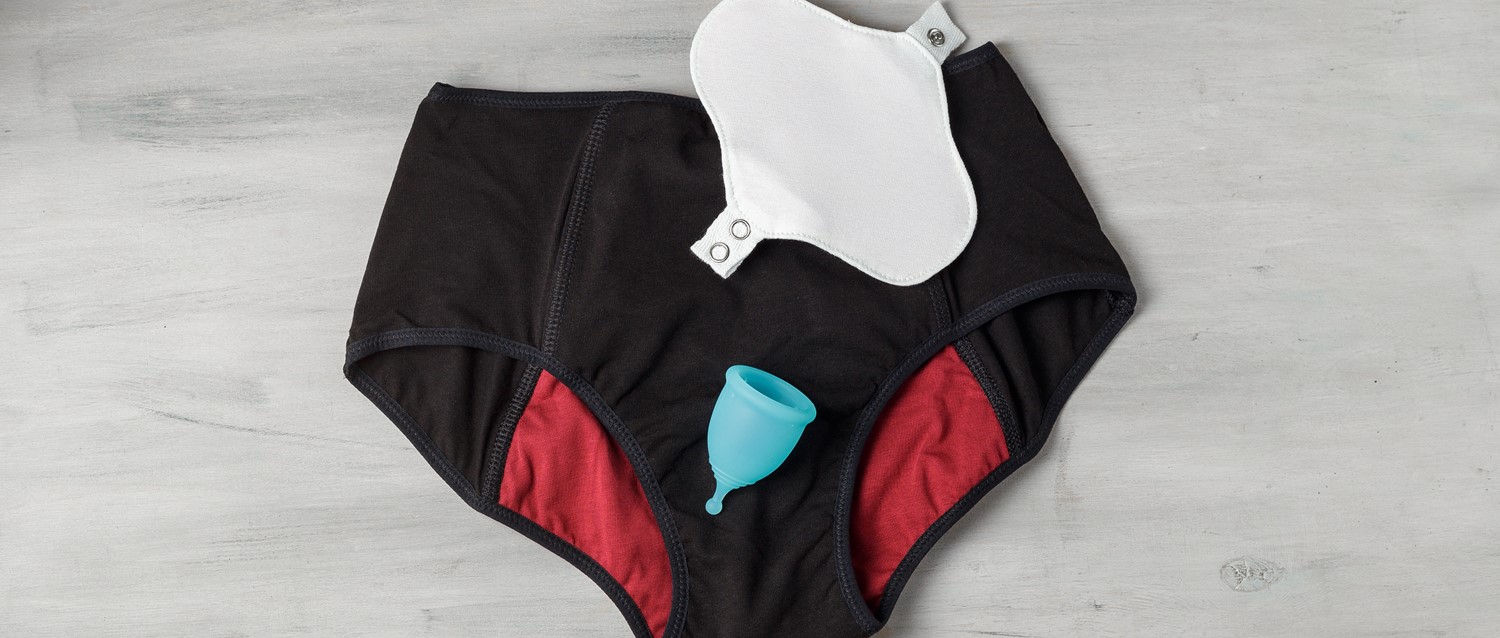
How to have a more eco-friendly period
Single use menstrual products (such as tampons, applicators and pads), generate up to 200,000 tonnes of waste per year, as most period pads are made from 90% plastic. This is having a detrimental impact on the environment. In this article we explore how you can have a more sustainable period and do your bit for the planet while still practising self-care.
by Emily Jane Bashforth
About the authorView full bio
Updated by

Lydia Smith
Feature writer
BA, MA, MSc
Lydia Smith is an award-winning journalist and feature writer who has written extensively on women's health and mental health. She is currently studying for an MSc in psychology.
Authored by
Lydia Smith
Feature writer
BA, MA, MSc
Lydia Smith is an award-winning journalist and feature writer who has written extensively on women's health and mental health. She is currently studying for an MSc in psychology.
About the reviewerView full bio

Dr Krishna Vakharia, MRCGP
Chief Medical Officer for Health, Optum UK
MBChB, MRCGP(2013), BMedSci (hons), DFSRH, DRCOG, PGDipDerm (Distn)
Dr Krishna Vakharia is an NHS GP. She is also a regular examiner for the postgraduate Diploma in Practical Dermatology at Cardiff University as well as being the Chief Medical Officer for health at Optum UK.
Share your thoughts or experiences with others in our patient communities.
Sign up to the Patient newsletter
Your weekly dose of clear, trustworthy health advice - written to help you feel informed, confident and in control.
By subscribing you accept our Privacy Policy. You can unsubscribe at any time. We never sell your data.