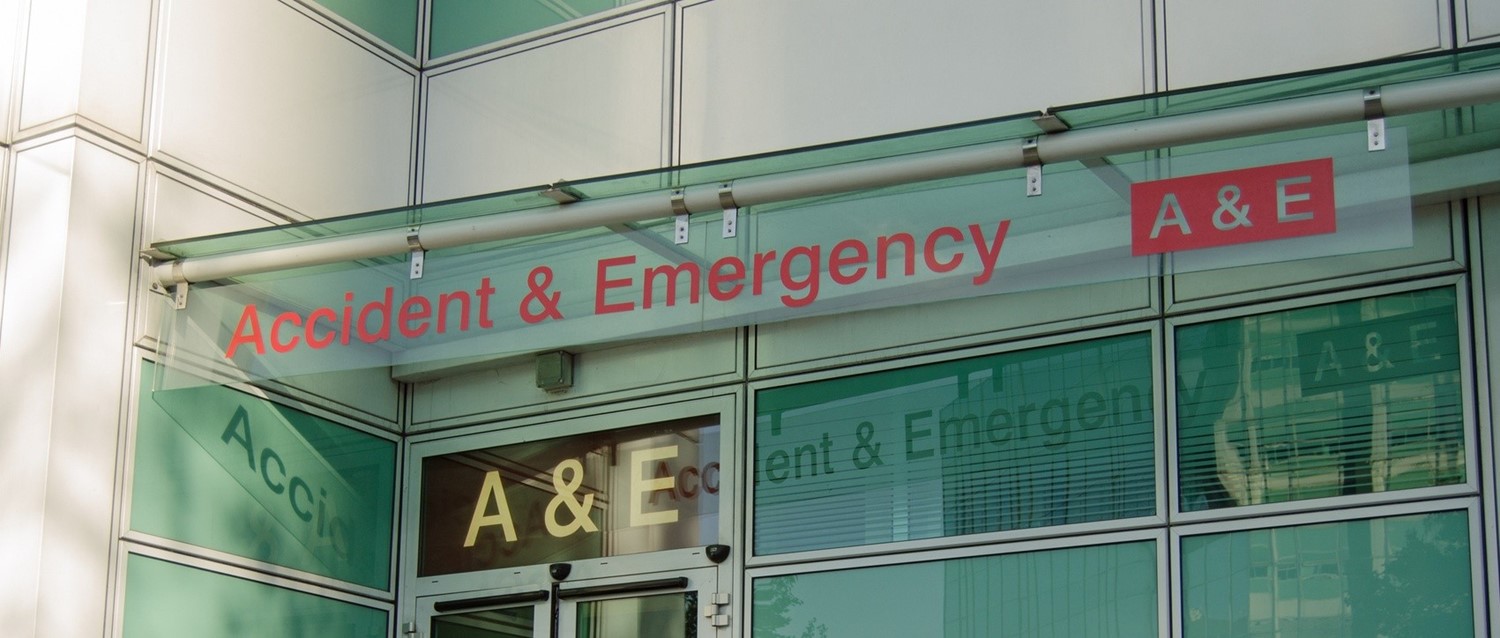
When do you really need to go to A&E?
Peer reviewed by Dr Sarah JarvisAuthored by Gillian HarveyOriginally published 3 Sept 2019
Meets Patient’s editorial guidelines
- DownloadDownload
- Share
- Language
- Discussion
- Ask Patient
- Audio Version
- Add to preferred sources on Google
Whilst some emergencies - such as accidents, or severe physical symptoms - are easy to recognise, serious conditions can sometimes present in less obvious ways. It can be hard to know whether to go to A&E, ring the doctor for an emergency appointment, seek help from another healthcare professional such as a pharmacist or simply ride the symptoms out.
Video picks for GP surgery and NHS servicesVideo library
Stomach ache
Let's face it, there's a lot going on in our abdomens. So when we feel a pain in the stomach, it's hard to identify exactly what's going on. Whilst this type of pain is common - and often related simply to digestion - what are the signs that it's something worse?
"Stomach pain is really difficult," agrees GP clinical lead Dr Daniel Atkinson of Treated. "Most of the time it's nothing serious. However, there are a few symptoms that should make you sit up and take notice. If the pain is severe; if it's accompanied by vomiting and there's blood in the vomit; if you are passing blood from the rectum (or black, tarry poo) or have blood in your urine, these warrant an emergency appointment."
Longer term: "If the symptoms are accompanied by other symptoms such as unintentional weight loss, it's advisable get checked out."
Headache
Some of us are unlucky enough to suffer from regular headaches, which may result from tiredness, hormonal issues or stress. But what happens when we get a blinder out of the blue?
"If a headache starts very suddenly and is very severe, it may be caused by a bleed or other problem within the skull," explains Atkinson. "It’s important to get yourself checked out immediately."
Other symptoms which may cause concern is if the headache is accompanied by "tingling or numbness in the hand, foot or leg, severe aversion to light or if headaches are getting worse over time", adds Atkinson.
A headache with neck stiffness, dislike of bright lights and/or a rash which doesn't fade when you press a glass against it should also be checked out as an emergency, as it could be down to meningitis. Likewise, any weakness of one side of your face or body, problems speaking, changes in vision or severe eye pain should be looked at urgently.
Chest pain
Anyone who's experienced heartburn will know how excruciating this form of indigestion can be. So how do we differentiate between this kind of pain and the onset of something more worrying?
"Heart attacks are often sudden in onset and the pain is usually severe," says Atkinson. "If the pain is accompanied by shortness of breath, or radiates to your left arm or jaw, it's something that should have you dialling 999 [in the UK]."
Pale skin, a rapid pulse or sweating are also red flags for a heart attack. "People also often have a sense that something terrible is happening when experiencing heart pain - trust your instincts and if at all worried, seek help," adds Atkinson.
In addition, chest pain accompanied by coughing up blood or rusty coloured sputum, significant shortness of breath and/or sharp stabbing chest pain when you breathe (rather than cough) also need checking out. These could indicate a pulmonary embolus (clot on the lung), pneumonia, collapsed lung or even lung cancer.
Dizziness
Feeling a bit dizzy could be the result of dehydration, or a sign that we’ve skipped lunch. But like many common symptoms it could also signal a condition that requires medical attention.
"If the dizziness is accompanied by double vision, or lasts for a long time, it's a red flag sign," says Atkinson. "If it's short-lived and relieved by eating or drinking, then it's less concerning - although you should mention this to your GP."
If someone you are with loses consciousness, it's important to seek medical advice or call 999 [in the UK].
Injury
If you've fallen over as an adult, you will know it's a lot more painful than it seemed as a child. But if we take a tumble, should we rush off to the hospital or stick on a plaster and soldier on?
"This also goes to your instincts," explains Atkinson. "For example, is it more painful than you'd expect? Does it just feel as if something's wrong?" In addition, "if the mobility of an area of your body is affected, or if there’s swelling", it's worth a trip to A&E.
Importantly, even if we're not displaying worrying symptoms, if we've experienced a forceful impact, or fallen from somewhere high, it's important to get checked out as symptoms of more severe injury may not be instantly apparent. Likewise, a head injury accompanied by loss of consciousness should always be checked, even if the person concerned comes round quickly.
Fever
If a fever hits 40°C and isn't relieved by taking paracetamol, seek medical advice. However, even a lower fever can sometimes cause concern. According to Atkinson, we should also consider "the story that comes before the fever". For example, "if you've travelled somewhere foreign, are coughing up blood or experiencing headache symptoms with a high fever" or "if your fever lasts for more than 72 hours", it's time to seek urgent advice.
The rules are different for under-5s, where a lower-grade fever can signify a more serious problem. You should seek medical advice if a 3- to 6-month-old child has a temperature of 39°C or more, or if a baby under 3 months has a temperature of 38°C or more.
Symptoms in children
There are many things that may cause concern in children - for example, if they're less responsive than usual, develop a rash with a fever, or their crying or behaviour changes, it's important to get them seen quickly.
However, in addition to these 'red-flag' signs, Atkinson feels we should trust our "sixth sense" and act on them where children are concerned.
"Parents have a sort of sixth sense about their children, which should never be ignored" he says. "You can meet a child in surgery for five minutes and think they're OK, but if their parent says they're not behaving normally, it's really important to take that into account.
Pregnancy
Any of the symptoms above, teamed with pregnancy, should lead to patients seeking urgent medical attention. "Pregnancy is really a trump card in all of these cases," explains Atkinson. "If you are pregnant and experience any of these symptoms you need to get seen."
Trust your instincts
Whilst none of us wants to clog up the waiting room, or add to the pressure on A&E, doctors would much prefer it that we seek medical attention if we're at all unsure, than miss an opportunity to make ourselves better.
Remember, your local pharmacist is often a good first port of call if you're feeling unwell. They'll also be able to advise if your ailment requires a visit to hospital or the GP. Alternatively, Atkinson suggests you can also call 111 [in the UK] if you're worried about symptoms.
Patient picks for GP surgery and NHS services

Skin, nail and hair health
What does aftersun do and do you really need it?
Visit any British beach in summertime and you'll likely see a landscape of pink and red sunburned bodies. Spending time in the sun can catch out even the most devoted sun cream wearers from time to time. Aftersun can't reverse sun damage, but its soothing and hydrating ingredients can ease short-term sunburn symptoms.
by Lynn Stephen
General health
AskPatient
AskPatient is a safer, clinically informed AI assistant designed to help you understand health information and find reliable guidance on Patient.info. Whether you have a symptom, want to understand a condition, or need help finding the right information, AskPatient can guide you to clear, trusted content written and reviewed by healthcare professionals. Start by typing your question below. Open in a new window
by Patient infomatics team

Chest and lungs
Should you go to work when you have a cold?
It's a situation every employee has grappled with at some point: do you stay at home or go into work when you're feeling under the weather? Tempting though it might be to bury yourself under the duvet and settle in for a long session of daytime TV, it may not be feasible to take time off whenever you're feeling suboptimal.
by Abi Millar

General health and lifestyle
Ideas, Concerns and Expectations - a guide to filling in your GP’s online form
Booking a GP appointment has changed. Instead of waiting on the phone line at 8am, many people now complete an online consultation form through their practice website. At first glance, it may feel like another bureaucratic hurdle. But in fact, these forms are designed to help you, and your GP team, get to the heart of your problem more quickly. The way you fill them in makes a real difference. When you provide clear, thoughtful information, it not only helps the practice decide whether something is urgent, but also ensures you are directed to the right person in the wider primary care team. That might be your GP - but it could just as easily be a nurse, a pharmacist, a physiotherapist, or another professional who can meet your needs sooner. One of the simplest tools to guide you is known as Ideas, Concerns and Expectations, or ICE.
by Thomas Andrew Porteus, MBCS

Heart health and blood vessels
When the heat rises, so do heart risks: What you need to know
Heat waves and high temperatures brings health risks. The American Heart Association (AHA) has issued warnings about taking extra precautions to stay safe in high temperatures. Find out how to help yourself stay cool and healthy here.
by Lawrence Higgins

Children's health
Feeding your toddler
This is the time when your child, with your help, will make the transition from a limited range of baby-specific food to eating healthy adult food.
by Dr Mary Elisabeth Lowth, FRCGP
About the authorView full bio
Authored by

Gillian Harvey
Freelance Writer
BA (Hons) English
Gillian is a freelance writer and columnist for a variety of national newspapers and magazines.
About the reviewerView full bio

Dr Sarah Jarvis
Clinical Consultant
MA (Cantab), BM, BCh (Oxon), DRCOG, FRCGP, MBE
After training in medicine at Cambridge and Oxford, Dr Sarah Jarvis MBE became a GP.
Article history
Article also available in English, German, Spanish, French, Italian, Portuguese, Hindi, Hebrew, Arabic, and Swedish.
3 Sept 2019 | Originally published
Authored by:
Gillian HarveyPeer reviewed by
Dr Sarah Jarvis
Share your thoughts or experiences with others in our patient communities.
Sign up to the Patient newsletter
Your weekly dose of clear, trustworthy health advice - written to help you feel informed, confident and in control.
By subscribing you accept our Privacy Policy. You can unsubscribe at any time. We never sell your data.