Is hair texture determined by genetics?
Meets Patient’s editorial guidelines
- DownloadDownload
- Share
- Language
- Discussion
- Ask Patient
- Audio Version
- Add to preferred sources on Google
Genetic factors appear to play a major role in determining hair texture—straight, wavy, or curly—and the thickness of individual strands of hair. Studies suggest that different genes influence hair texture and thickness in people of different ethnic backgrounds. For example, normal variations (polymorphisms) in two genes, EDAR and FGFR2, have been associated with differences in hair thickness in Asian populations. A polymorphism in another gene, TCHH, appears to be related to differences in hair texture in people of northern European ancestry. It is likely that many additional genes contribute to hair texture and thickness in various populations.
Video picks for Understanding geneticsVideo library
Overview
Genetic factors appear to play a major role in determining hair texture—straight, wavy, or curly—and the thickness of individual strands of hair. Studies suggest that different genes influence hair texture and thickness in people of different ethnic backgrounds. For example, normal variations (polymorphisms) in two genes, EDAR and FGFR2, have been associated with differences in hair thickness in Asian populations. A polymorphism in another gene, TCHH, appears to be related to differences in hair texture in people of northern European ancestry. It is likely that many additional genes contribute to hair texture and thickness in various populations.
Several genetic syndromes are characterised by unusual hair texture. These syndromes are caused by variants in genes that play roles in hair structure and stability, including genes associated with specialized cell structures call desmosomes that hold hair cells together, proteins called keratins that provide strength and resilience to hair strands, and chemical signaling pathways involving a molecule called lysophosphatidic acid (LPA), which promotes hair growth. Genetic syndromes that feature altered hair texture include:
Autosomal recessive hypotrichosis (caused by variants in the DSG4, LIPH, or LPAR6 gene)
Keratoderma with woolly hair (caused by variants in the JUP, DSP, DSC2, or KANK2 gene)
Monilethrix (caused by variants in the DSG4, KRT81, KRT83, or KRT86 gene)
Uncombable hair syndrome (caused by variants in the PADI3, TCHH, or TGM3 gene)
Researchers speculate that the genes associated with these disorders probably also contribute to normal variations in hair texture and thickness.
Factors other than genetics can also influence hair texture and thickness. Hormones, certain medications, and chemicals such as hair relaxers or perms can alter the characteristics of a person’s hair. These changes can be temporary or permanent. Hair texture and thickness can also change with age.
Patient picks for Understanding genetics

Skin, nail and hair health
4 common winter hair conditions - and how to treat them
In winter, we're constantly going between the chilly, outdoor weather and indoor, central heating. Both of these can be harsh on our hair, depriving it of the moisture it needs to stay healthy and full. We asked a hair specialist for tips on preventing the most common winter hair conditions, and explore other possible health issues that could be linked to your hair troubles.
by Lynn Stephen
Skin, nail and hair health
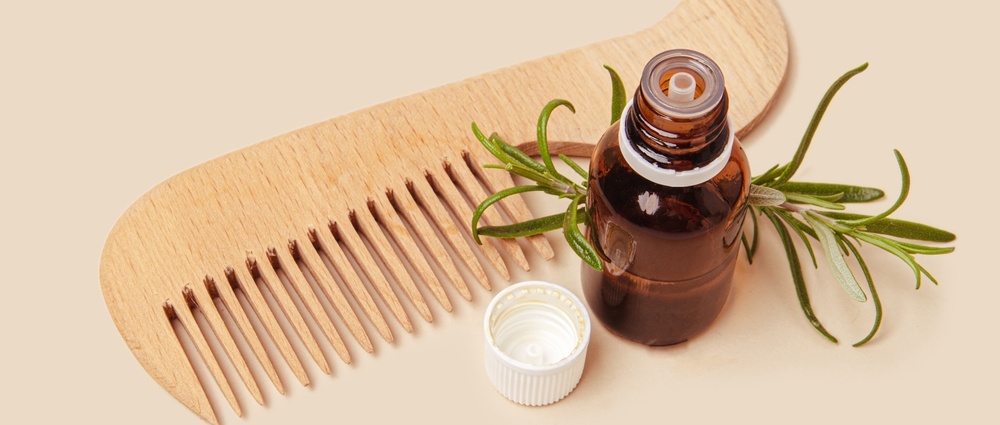
Does rosemary oil actually help hair grow?
We’re always on the lookout for the latest miracle health product - especially if it’s inexpensive and easily found on the high street. And TikTok is full of claims that rosemary oil is a remedy for rapid hair growth. But is there any evidence it works?
by Lynn Stephen

Skin, nail and hair health
Why hair turns grey - and how lifestyle may play a role
It’s natural, as you get older, to think about grey hair. While embracing a natural white, silvery, or salt-and-pepper look can be empowering, many people wonder if targeted lifestyle choices can delay it. Whether you’re ready to embrace a new hue, or want to hold onto your natural colour a bit longer, we dive into the science of why hair greys and if it’s actually possible to slow down the clock.
by Victoria Raw
Skin, nail and hair health
Does caffeine shampoo really work for hair loss?
Caffeine shampoos that stimulate hair growth (if you believe the marketing claims) are becoming more popular - but do they really work and can they cause skin or scalp problems? We ask a consultant dermatologist for her take on the issue.
by Julian Turner
Surgery and procedures
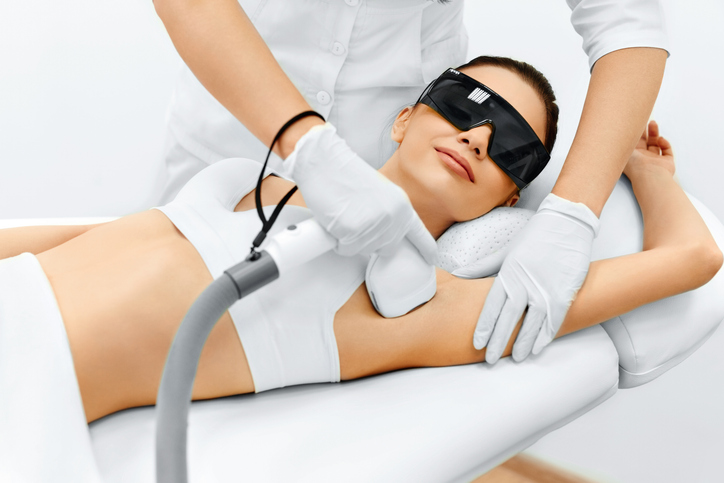
Laser hair removal
This leaflet is provided by the British Association of Aesthetic Plastic Surgeons, the professional body responsible for the advancement of education and safety in aesthetic plastic surgery.
by The British Association of Plastic Surgeons (BAAPS)
Skin, nail and hair health
What to do about excess body hair
Plucking. Waxing. Shaving. For many women, getting rid of unwanted hair can be a burden. But this is all the more difficult for women suffering with excess body or facial hair, otherwise known as hirsutism.
by Dr Anna Cantlay, MRCGP
Related patient information and medicines

Patient information leaflet
Albinism
Albinism is a rare inherited (genetic) condition which reduces the amount of of melanin pigment in the skin, hair and/or eyes. People with albinism are often pale, w... Albinism is an inherited condition that leads to someone having very light skin, hair, and eyes. The most accurate test is a genetic test Genetic testing. The test is useful only.

Patient information leaflet
Genetic testing
Genetic testing is a type of medical test that identifies changes in chromosomes, genes or proteins. Genetic tests examine a person's DNA in a variety of ways to assess a person's genetic health. It is made up of a sequence (or piece) of DNA and sits at a particular place on a chromosome. So, a gene is a small section of a chromosome. For example,.

Patient information leaflet
Chemotherapy
It is usually best not to drive yourself to and from hospita... However, they all tend to work by interfering with some aspect of how the cells divide and multiply. For example, some work by affecting the cells' genetic 'makeup' (material which controls specific cell characteristics) and others work by blocking cells from using nutrients needed to.

Patient information leaflet
Klinefelter's syndrome
Klinefelter's syndrome is a genetic condition that only affects males. Affected males have an extra X chromosome. It is sometimes just called XXY. A physique which is less muscular ... That is they will not be able to father a baby without medical help. ServiceUpsellPlaceholder Causes of Klinefelter's syndrome KS is a genetic condition but it is.
Patient information leaflet
Epidermoid and pilar cysts
Epidermoid and pilar cysts are commonly referred to as 'sebaceous cysts' (pronounced 'seb-ay-shuss'). A pilar cyst is a cyst where the cyst sac forms from cells similar to those that are in the bottom of hair follicles (where hairs grow from). Pilar cysts on the scalp can be hereditary and run in families, although this is rare. Rarely, epidermoid.

Patient information leaflet
Adrenarche
This leaflet was originally provided by Miriam Leach (written when a 4th year MB ChB student at Manchester University), used here with permission. Adrenarche (ad-ren-ar-ke) is known to be an ordinary bodily process that happens to boys and girls as they begin to make the transiti... Androgens from the adrenal gland may cause a variety of things to.
Further reading and references
- Is hair texture determined by genetics?; MedlinePlus, National Library of Medicine.
- Ho YYW, Mina-Vargas A, Zhu G, Brims M, McNevin D, Montgomery GW, Martin NG, Medland SE, Painter JN. Comparison of Genome-Wide Association Scans for Quantitative and Observational Measures of Human Hair Curvature. Twin Res Hum Genet. 2020 Oct;23(5):271-277. doi: 10.1017/thg.2020.78. PMID: 33190678.
- Liu F, Chen Y, Zhu G, Hysi PG, Wu S, Adhikari K, Breslin K, Pospiech E, Hamer MA, Peng F, Muralidharan C, Acuna-Alonzo V, Canizales-Quinteros S, Bedoya G, Gallo C, Poletti G, Rothhammer F, Bortolini MC, Gonzalez-Jose R, Zeng C, Xu S, Jin L, Uitterlinden AG, Ikram MA, van Duijn CM, Nijsten T, Walsh S, Branicki W, Wang S, Ruiz-Linares A, Spector TD, Martin NG, Medland SE, Kayser M. Meta-analysis of genome-wide association studies identifies 8 novel loci involved in shape variation of human head hair. Hum Mol Genet. 2018 Feb 1;27(3):559-575. doi: 10.1093/hmg/ddx416. PMID: 29220522. Free full-text from PubMed Central: PMC5886212.
- Westgate GE, Ginger RS, Green MR. The biology and genetics of curly hair. Exp Dermatol. 2017 Jun;26(6):483-490. doi: 10.1111/exd.13347. PMID: 28370528.
Share your thoughts or experiences with others in our patient communities.
Simple access to trusted treatments and health services online.
Common conditions
Get help with common conditions through the NHS, without a GP appointment.





Sign up to the Patient newsletter
Your weekly dose of clear, trustworthy health advice - written to help you feel informed, confident and in control.
By subscribing you accept our Privacy Policy. You can unsubscribe at any time. We never sell your data.