Adrenarche
Peer reviewed by Dr Rosalyn Adleman, MRCGPLast updated by Dr Toni Hazell, FRCGPLast updated 21 May 2025
Meets Patient’s editorial guidelines
- DownloadDownload
- Share
- Language
- Discussion
- Audio Version
- Add to preferred sources on Google
This leaflet was originally provided by Miriam Leach (written when a 4th year MB ChB student at Manchester University), used here with permission.
At a glance
Adrenarche is a normal bodily process that happens before puberty, typically between 6 and 8 years of age.
It is caused by an increase in certain hormones from the adrenal glands.
Signs of adrenarche can include body odour, new hair growth, acne, and mood swings.
Not all children will experience every change, and some may notice no changes.
Premature adrenarche is when these changes happen slightly earlier, around 5-6 years, but is still considered normal.
If a child has early breast or testicular development, headaches, or vision changes, seek medical advice.
If you have any concerns about your child's symptoms, speak to your GP or paediatrician.
What is adrenarche?
Adrenarche (ad-ren-ar-ke) is known to be an ordinary bodily process that happens to boys and girls as they begin to make the transition to being a teenager.
When does adrenarche start?
It is a development that happens before puberty, usually between the ages of 6 and 8 years. During this time certain hormones (biological messengers) begin to increase. They may either go unnoticed or can cause changes in the body like new hair growth and body odour.
What causes adrenarche to happen?
Adrenarche
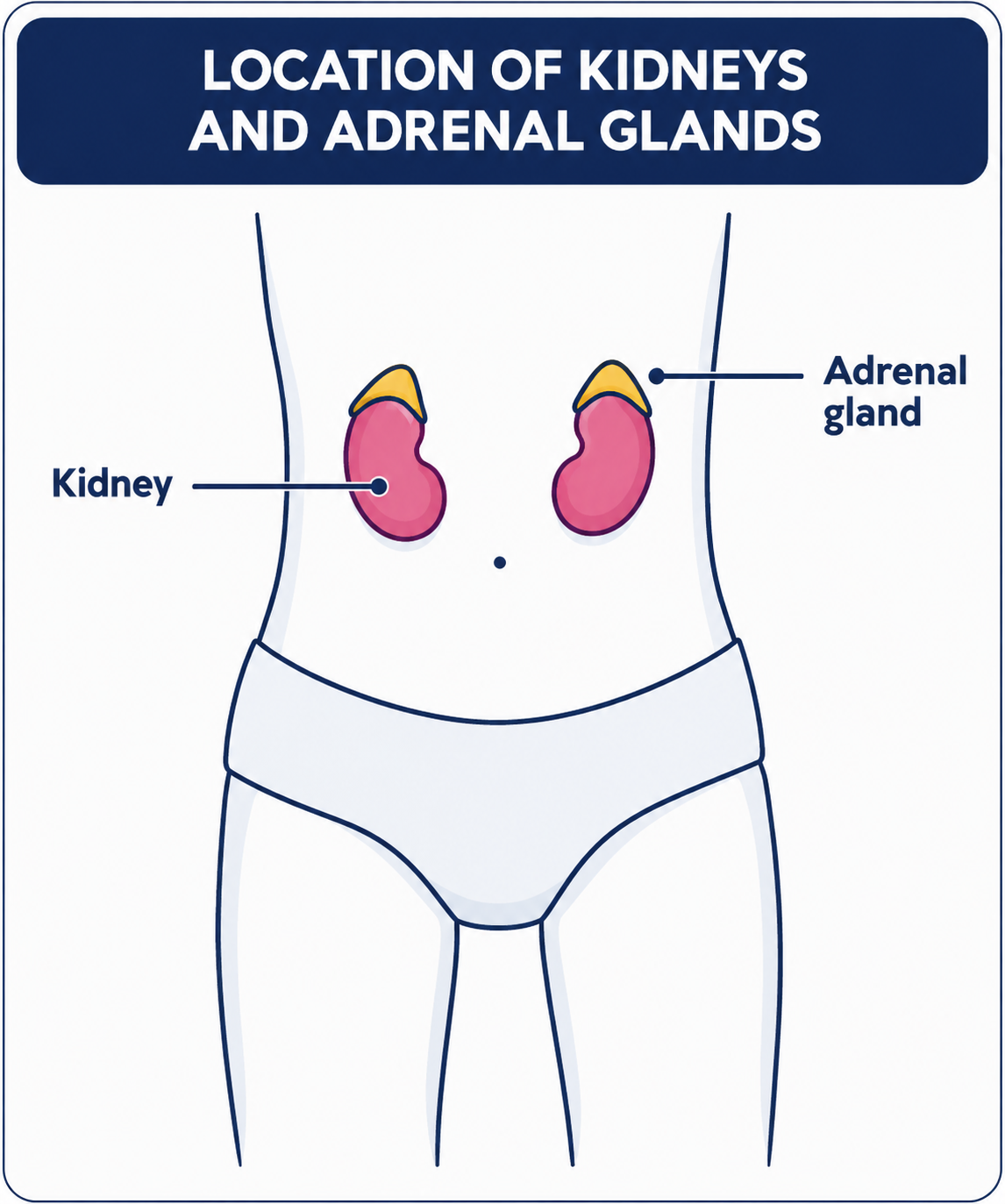
On top of the kidneys is a pair of specialised glands called the adrenal glands. The adrenal glands produce a few different hormones that cause a wide variety of things to happen in the body. These include regulating how much salt there is in the body, sending out stress signals and contributing to growth.
Adrenarche is a period of time when more of a group of hormones called androgens (the 'male' hormones) begin to be produced in boys and girls. It's not fully understood why adrenarche begins to happen but it is thought that this is in preparation for puberty (which usually starts a few years later).
What does adrenarche mean?
Androgens from the adrenal gland may cause a variety of things to begin to happen to the body including:
An effect on hair-producing cells causing some children to experience their first pubic hair and/or armpit hair growth.
An effect on the glands that produce sweat as well as the glands that produce an adult body odour, meaning some children may notice their body beginning to smell differently.
Additionally, some children may notice a change in their skin as these hormonal changes can result in a kind of acne called micro-comedonal acne.
They can also have an effect on mood and cause mood swings and tearfulness.
Do children experience all of these changes during adrenarche?
Everybody is different and some children may notice several changes during adrenarche, others may not notice anything different and some may experience only one or two differences.
It is important to know that it is as natural to experience all of these changes as it is for a child to experience none.
What is premature adrenarche?
Occasionally the term 'premature adrenarche' is used when adrenarche changes are experienced a bit early (around 5-6 years) but despite this it is not actually thought to be out of the ordinary.
How is adrenarche different to puberty?
Puberty tends to occur a few years after adrenarche in the teen years. Puberty relates to the changes that happen to the body as a child begins to reach sexual maturity. These include growth of the testicles in boys and breast development in girls.
Onset of adrenarche can happen anytime after the age of 6 years and will not cause any development beyond those described above. If a child begins to have early testicular or breast development, or any unusual symptoms like headaches or changes in their vision, it is important that advice is sought, as these are not part of normal adrenarche.
What can be done to help a child who is going through adrenarche?
As described, adrenarche is a normal process and there is no reason to be concerned. It is important to reassure children who are experiencing changes during adrenarche and encourage them to talk to you (or their doctor) if they are worried. There are several other things you can do that might be helpful:
You might want to discuss with teachers (particularly PE or sports coaches) about privacy at changing times.
Discuss washing regularly, showering and using deodorants if they are worried about body odour.
If they are particularly worried or embarrassed about body hair you could discuss hair removal with them.
Ask your GP for treatment for spots if this becomes a problem.
Is there anything else I need to know?
Occasionally, male hormone excess can be caused by problems other than adrenarche and your child may need to have some tests. If your child experiences any symptoms that you are worried about, or if you have any concerns at all, it is important you seek the advice of their GP or paediatrician.
Copyright for this leaflet is with Miriam Leach.
Patient picks for Development

Children's health
Dyslexia
Dyslexia is common. It is usually first noticed during the first few years at school. There is no cure but early diagnosis and good help and support are essential and can be very effective.
by Dr Colin Tidy, MRCGP

Children's health
Duchenne muscular dystrophy
Duchenne muscular dystrophy is a condition which causes progressive muscle weakness. It starts in childhood and may be noticed when a child has difficulty standing up, climbing or running. It is a genetic condition and can be inherited. It usually affects only boys, although girls may carry the Duchenne gene. Boys with Duchenne muscular dystrophy should have regular reviews and physiotherapy from childhood. They are likely to need increasing help and treatments.
by Dr Philippa Vincent, MRCGP
Frequently asked questions
How long does adrenarche last?
The article states that adrenarche is a period of time when certain hormones begin to increase, and it happens before puberty, usually between the ages of 6 and 8 years. It does not specify a duration for how long this period lasts, but rather describes it as a stage that precedes puberty, which typically starts a few years later.
What age do boys need deodorant?
During adrenarche, some children may notice their body beginning to smell differently due to changes in glands that produce sweat and adult body odour. If a child is worried about body odour, discussing washing regularly, showering, and using deodorants can be helpful. The article does not specify an exact age for starting deodorant, but rather links it to the onset of body odour during adrenarche.
Can hormones in preteen boys cause nausea?
The article details several potential effects of adrenarche hormones, including new hair growth, body odour, micro-comedonal acne, and mood swings. Nausea is not listed as one of the symptoms or effects associated with adrenarche in boys or girls.
Is premature adrenarche dangerous?
The article mentions that premature adrenarche is when these changes are experienced a bit early (around 5-6 years), but it is not thought to be out of the ordinary or dangerous. However, if a child experiences unusual symptoms like headaches or changes in vision, or early testicular or breast development, it's important to seek advice, as these are not part of normal adrenarche.
What causes premature adrenarche?
The article explains that adrenarche is caused by the adrenal glands producing more androgens. It states that premature adrenarche occurs when these changes begin around 5-6 years of age. However, the article does not specify a particular cause for why adrenarche sometimes starts earlier than the typical 6-8 year age range.
What is adrenarche in girls?
Adrenarche is an ordinary bodily process that happens to both boys and girls. In girls, just like in boys, it involves an increase in certain hormones (androgens) from the adrenal glands, which can lead to changes such as the growth of pubic hair and/or armpit hair, adult body odour, and sometimes a type of acne called micro-comedonal acne.
Further reading and references
- Utriainen P, Laakso S, Liimatta J, et al; Premature adrenarche - a common condition with variable presentation. Horm Res Paediatr. 2015;83(4):221-31. doi: 10.1159/000369458. Epub 2015 Feb 7.
- Rosenfield RL; Normal and Premature Adrenarche. Endocr Rev. 2021 Nov 16;42(6):783-814. doi: 10.1210/endrev/bnab009.
About the authorView full bio
Updated by

Dr Toni Hazell, FRCGP
MBBS, BSc, FRCGP, DFSRH, Dip GU med, DRCOG, DCH (London, UK, 2000)
Dr. Toni Hazell qualified from St. Mary’s Hospital Medical School and did her VTS at Northwick Park Hospital.
About the reviewerView full bio

Dr Rosalyn Adleman, MRCGP
MRCGP
Dr Rosalyn Adleman, is an NHS GP working in north London.
Join the conversation
Share your thoughts or experiences with others in our patient communities.

Ask, share, connect.
Browse discussions, ask questions, and share experiences across hundreds of health topics.

Feeling unwell?
Assess your symptoms online for free
Sign up to the Patient newsletter
Your weekly dose of clear, trustworthy health advice - written to help you feel informed, confident and in control.
By subscribing you accept our Privacy Policy. You can unsubscribe at any time. We never sell your data.