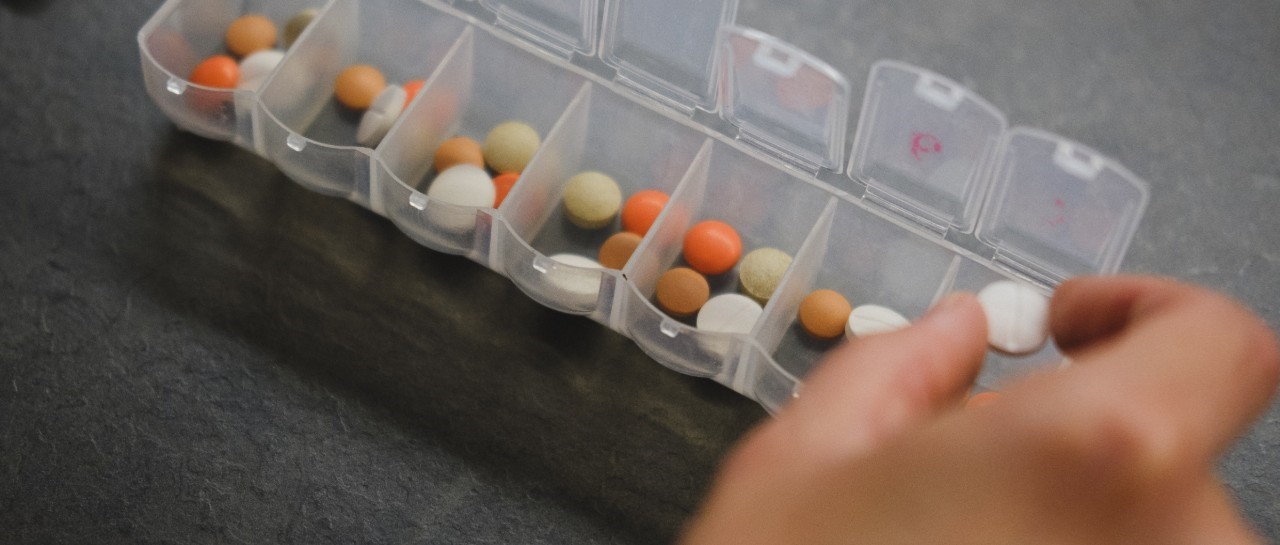
Stopping statins after 75 increases heart attack risk
Peer reviewed by Natalie HealeyAuthored by Ashwin BhandariOriginally published 31 Jul 2019
Meets Patient’s editorial guidelines
- DownloadDownload
- Share
- Language
- Discussion
- Audio Version
- Add to preferred sources on Google
Stopping statins after the age of 75 increases the risk of a heart attack by almost half, research has suggested.
New research suggests coming off statins can increase heart attack and stroke risk in the over-75s.
Whilst statins are known to be effective for lowering cholesterol and managing heart disease in patients who have already suffered from strokes or heart attacks, a nationwide study in France was the first to assess the effectiveness of the medication in elderly people.
The research, published in the European Heart Journal, looked at 120,000 pensioners over 75 who had been taking statins regularly.
The study showed that those who stopped taking the drugs were 46% more likely to suffer a coronary event, such as a heart attack, and 26% more likely to have a stroke.
Dr Philippe Giral of Pitié-Salpêtrière Hospital who led the research advised that older people who are taking statins to prevent heart disease continue taking them.
"If you are regularly taking statins for high cholesterol, we would recommend you don't stop the treatment when you are 75. To doctors, we would recommend not stopping statin treatment given for primary prevention of cardiovascular diseases in your patients aged 75."
Those who discontinued statins also had a 33% increased risk of being admitted to hospital with heart or blood vessel problems during an average follow-up period of 2.4 years. During this time 14.3% (over 17,200 people) stopped taking statins for at least three consecutive months, and 4.5% (5,400 people) were admitted to hospital for a cardiovascular problem.
The study had limitations though. It only shows that discontinuing statins is associated with heart attacks and strokes, rather than causing them. The results also did not consider lifestyle factors for the patients, such as hospital admissions, cholesterol levels and tobacco use.
Professor Sir Nilesh Samani, medical director at the British Heart Foundation, said: "This study, although observational, adds to a growing body of evidence showing that statins reduce heart attacks and strokes in older people, as they do in younger people, and are safe. Age should not be a barrier to prescribing these potentially life-saving drugs to those people who are likely to benefit."
Patient picks for High cholesterol
Heart health and blood vessels
How to lower your cholesterol
Heart attacks and strokes have decreased by 30% in the UK over the past two decades. However, they're still a major health hazard. Effective medicines to lower cholesterol and blood pressure have played a big part, but you can also stack the odds in your favour with lifestyle changes. Keeping your weight within the healthy range can significantly reduce levels of bad cholesterol (LDL) and boost good cholesterol (HDL), which protects your heart.
by Victoria Raw
Heart health and blood vessels
How can I avoid statin side effects?
All drugs can cause side effects for some people, and statins taken to lower cholesterol are no exception. Dr Sarah Jarvis outlines the common short term side effects, what your doctor can do to help, and the serious side effects to be aware of.
by Victoria Raw
About the authorView full bio
Authored by

Ashwin Bhandari
Medical Writer
BA Journalism
About the reviewerView full bio

Natalie Healey
Freelance journalist
BSc (Hons) Biomedical Science
She is a London-based health journalist who has been writing about science and medicine for several years. She is the former head of editorial at Patient.
Article history
Article also available in English, German, Spanish, French, Italian, Portuguese, Hindi, Hebrew, Arabic, and Swedish.
31 Jul 2019 | Originally published
Authored by:
Ashwin BhandariPeer reviewed by
Natalie Healey
Join the conversation
Share your thoughts or experiences with others in our patient communities.

Ask, share, connect.
Browse discussions, ask questions, and share experiences across hundreds of health topics.

Feeling unwell?
Assess your symptoms online for free
Sign up to the Patient newsletter
Your weekly dose of clear, trustworthy health advice - written to help you feel informed, confident and in control.
By subscribing you accept our Privacy Policy. You can unsubscribe at any time. We never sell your data.