His Final 'Yes': Rob Communicated With His Eyes
Published 16 Dec 20251 min 16 sec watch
Meets Patient’s editorial guidelines
- Share
- Discussion
- Ask Patient
- Audio Version
- Add to preferred sources on Google
 Gaynor Faye on Hot Flash, Menopause & Kay Mellor's Legacy | Yorkshire Talks49 min 28 sec
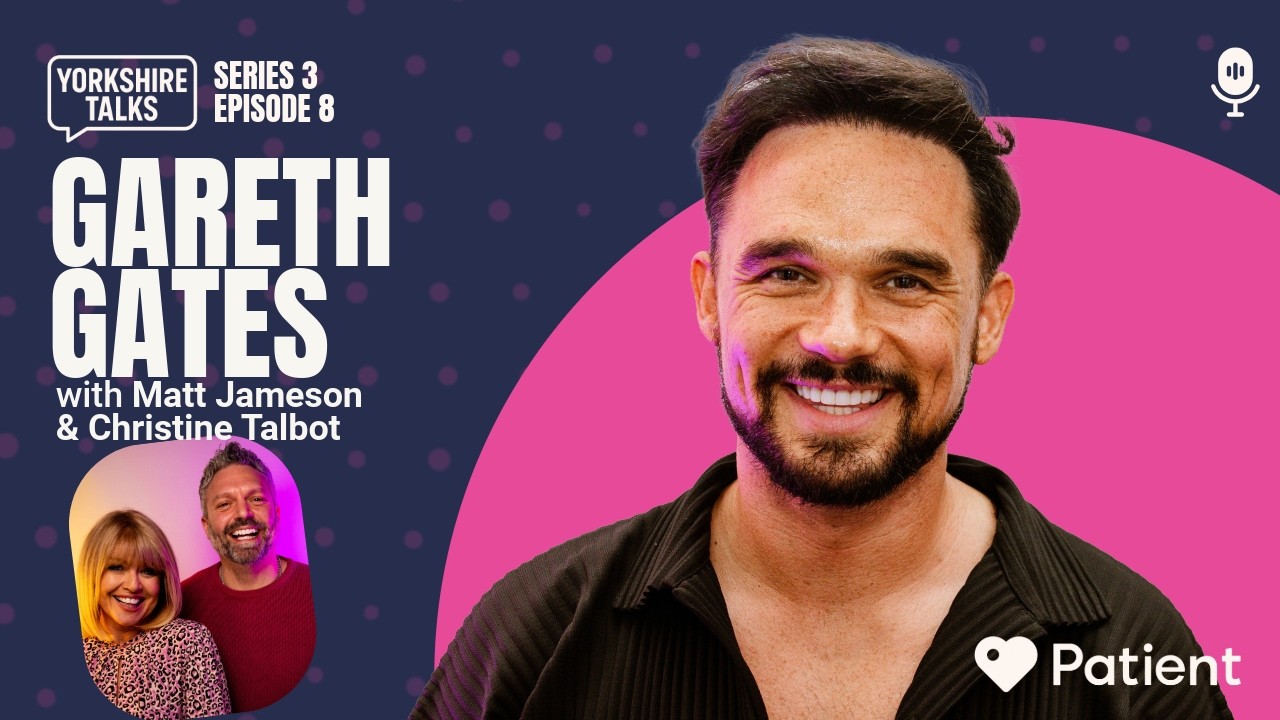 Gareth Gates: "I believed I was defective — my stammer was my superpower" | Yorkshire Talks45 min 30 sec
 Matthew Haywood: BBC Survivor Winner on Strategy & Men's Mental Health | Yorkshire Talks46 min 43 sec
 Billy Bowness: Nobody's Fool, Losing His Son & Living with Thanatophobia | Yorkshire Talks43 min 43 sec
 Dr Agam Jung: Caring for Rob Burrow & Building the MND Centre | Yorkshire Talks41 min 56 sec
 Yorkshire Talks is BACK! | Matt Jameson & Christine Talbot | Series 3 Begins10 min 19 sec
Patient picks

Patient information leaflet
Visual problems
This is the part of the retina that is the most densely packed with... Nerve signals pass from these "seeing" cells in the retina down nerve fibres in the optic nerve to the area of the brain responsible for putting together and interpreting these signals, enabling normal vision For vision to be clear, the lens of the eye has to be clear.

Feature
Patient.info brings 'Yorkshire Talks' back with its most open and emotional health conversations yet
The new series of Yorkshire Talks bridges that gap, bringing raw, personal and often deeply moving health stories straight into the spotlight. Proudly co-produced by Patient.info, this is the most intimate, most honest and most relatable series yet. ...centre named in Rob’s honour, Lindsey shares the emotional reality of navigating his.

Patient information leaflet
Eye problems
Optic neuritis can sometimes be the firs... Tumours of the eye and optic nerve Tumours in the eye principally occur in the middle and inner layers of the eye, particularly the retina and optic nerve. Onset generally occurs between the third month of pregnancy and 4 years of age with very few diagnosed later than 5 years of age. These include.
Feature
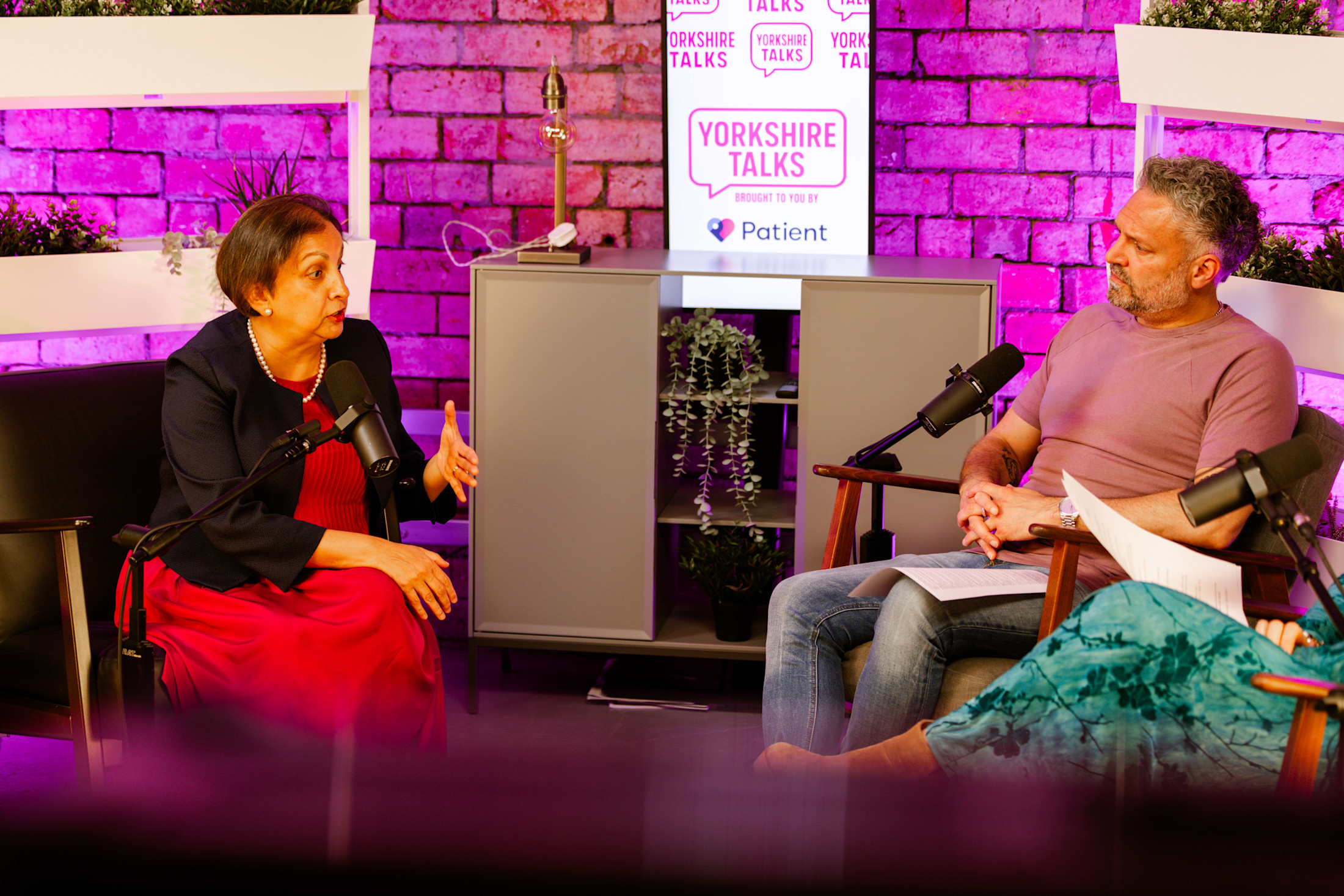
Dr Agam Jung: Caring for Rob Burrow & Building the MND Centre
Christine and Matt chat to the consultant neurologist who became known across the UK and beyond for the exceptional care she gave rugby league legend Rob Burrow following his motor neurone disease diagnosis. Dr Agam Jung: Caring for Rob Burrow & Building the MND Centre | Yorkshire Talks This week on Yorkshire Talks, we're joined by an.
Patient information leaflet
Retinal artery occlusion
Side View of the Eye Side View of the Eye When you look at an object, light from the object passes through the cornea of your eye, then the lens and then the retina at the back of your eye. Nerve messages pass from the seeing cells (rods and cones) in your retina, down nerve fibres in your optic nerve to your brain. The messages are interpreted by.
Feature
Anatomy of the eye
These are then passed through the optic nerves to the parts of the brain which process vision and build up the picture that we see. This area acts as a relay station, combining information from the two eyes and sending on the information received to an area of brain called the visual cortex. The visual cortex is a specialised part of the brain.
Share your thoughts or experiences with others in our patient communities.