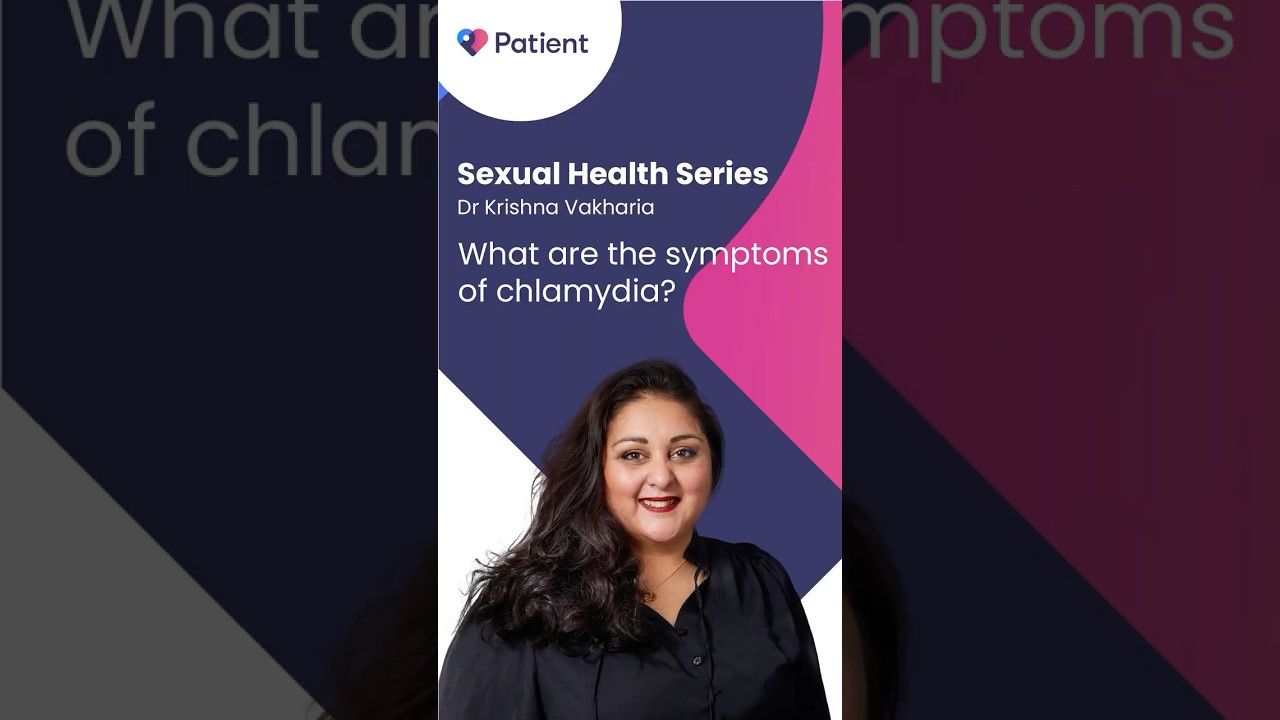
What are the symptoms of #chlamydia?
Published 8 Nov 202433 sec watch
Meets Patient’s editorial guidelines
- Share
- Discussion
- Ask Patient
- Audio Version
- Add to preferred sources on Google
Find out more about chlamydia on our website: https://patient.info/sexual-health/chlamydia
#chlamydia #sexualhealthawareness





Patient picks

Patient information leaflet
Chlamydia
Dr Sarah Jarvis MBE Chlamydia is a sexually transmitted infection (STI) caused by a germ (bacterium) called Chlamy... Symptoms in women No symptoms occur in around 7 in 10 infected women. This is due to the neck of the womb (cervix) becoming inflamed. Pain or discomfort in the lower tummy (abdomen) area (the pelvic area), especially when you have.
Feature
Chlamydia videos
Chlamydia is one of the most common sexually transmitted infections in the UK, but many people don’t realise they have it because it often has no symptoms. Our video hub explains everything you need to know, from what chlamydia is and how it’s spread, to the symptoms to look out for, how it’... Symptoms In the early stages of chlamydia there are.

Patient information leaflet
Vaginal discharge
Sexually transmitted infections The most common infections causing vaginal discharge are: Chlamydia Chlamydia. Symptoms of STIs can vary, but the following are the ones to look out for: Vaginal discharge. A sore, ulcer, rash, or lump that appears around the vagina, vulva or anus. Pelvic pain, either all the time or just when you have sex or when.

Feature
Can you get chlamydia from kissing?
It's difficult to say where this myth comes from, but Thorrun Govind, pharmacist and chair of the Royal Pharmaceutica... Chlamydia is one of the most common STIs in the UK 2. Chlamydia symptoms can vary from person to person - some people might not display any symptoms at all, particularly in women. However, noticeable symptoms can include:.

Patient information leaflet
Sexually transmitted infections
A sexually transmitted infection (STI) is an infection that can be passed from person to person when having sex. The most commonly diagnosed STI was chlamydia, which ... However, these are the common symptoms to look out for: A vaginal discharge. Abnormal vaginal bleeding. A discharge from the penis. A sore, ulcer, rash, or lump that appears on.

Feature
Erectile dysfunction in your 20s and 30s - what causes it?
Erectile dysfunction is often associated with growing older, but it can affect people at any age. If you are in your 20s or 30s and find it difficult to get or keep an erection, you are not alone. Erectile dysfunction Erectile dysfunction (ED) is the persistent or recurring difficulty achieving an erection, or keeping one firm enough for sexual.
Share your thoughts or experiences with others in our patient communities.