
What is Internalised Weight Bias? The Inner Voice
Published 13 Dec 20251 min 3 sec watch
Meets Patient’s editorial guidelines
- Share
- Discussion
- Ask Patient
- Audio Version
- Add to preferred sources on Google
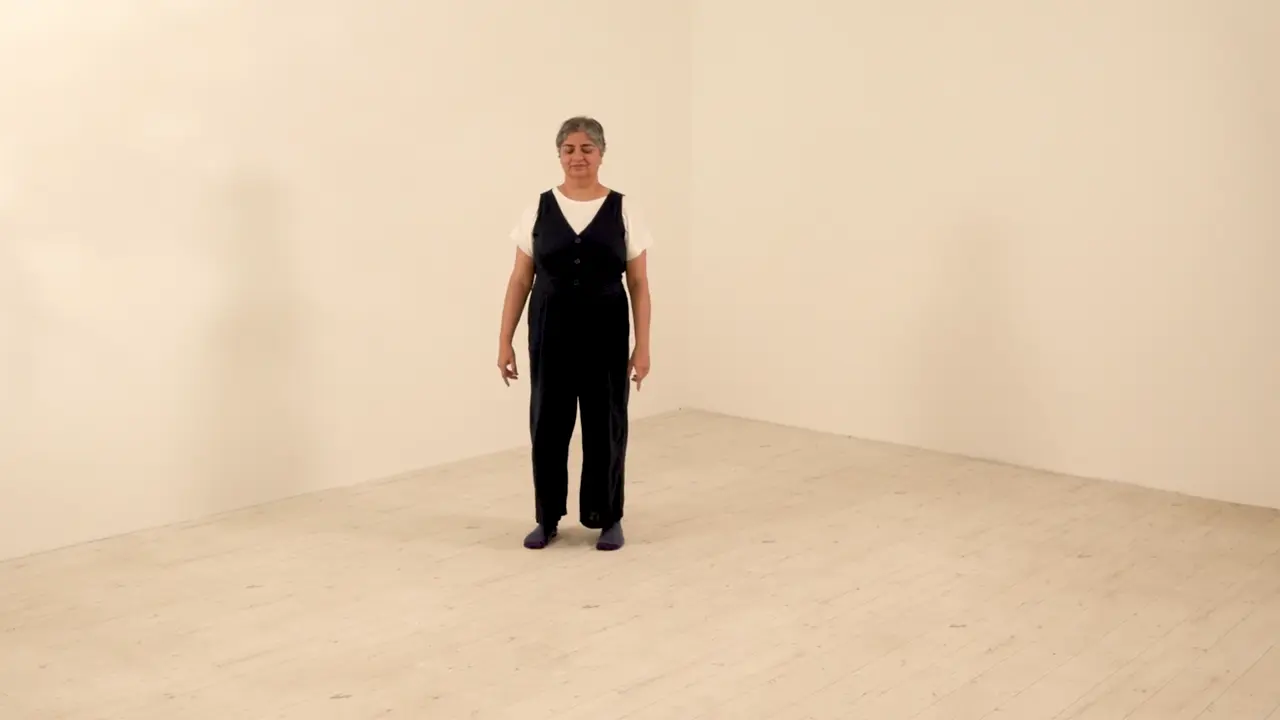
Discover the hidden voice that can hold you back from achieving your health and wellness goals. Internalised weight bias, also known as internalized weight stigma, refers to the subconscious acceptance of negative stereotypes and prejudices towards individuals who are overweight or obese. In this video, we delve into the concept of internalised weight bias and explore how it can manifest as an inner voice, influencing our thoughts, feelings, and behaviors towards ourselves and others. Learn how to recognize and challenge internalised weight bias, and join the journey towards a more compassionate and inclusive approach to health and wellness. By understanding and addressing internalised weight bias, we can work towards creating a more supportive environment that promotes positive body image and self-esteem. Watch now and take the first step towards a more mindful and accepting relationship with your body.





Patient picks

Patient information leaflet
Weight gain
Not exercising enough Sedentary lifestyles are thought to be a contributing factor to the increasing problem of obesity Obesity and weight loss in the developed world. Regular exercise has many physical and mental health benefits and is a factor in maintaining weight. Public Health England advises a minimum of 150 minutes of physical activity each.

Feature
How to deal with negative body image in pregnancy
Why pregnancy can affect your body image Many mums struggle to mentally process the body changes during pregnancy Diet and lifestyle during pregnancy. "Through adolescence and beyond, we can all struggle with fluctuating body image Body dysmorphic disorder influenced by a vast array of factors," says Dr Marielle Quint, chartered clinical.

Patient information leaflet
Exercise and physical activity
It used to be thought that the lower risk of cancer in people who are physically active is because they are also more likely not to be overweight or obese. Mental health Physical activity is thought to help ease stress, boost energy levels and improve general well-being and self-esteem. There is good evidence that regular physical activity reduces.

Feature
Eating disorders videos
Whether you're concerned about yourse... Anorexia Anorexia Anorexia nervosa is an eating disorder and mental health condition where someone tries to keep their weight as low as possible by eating very little, and it can affect anyone—regardless of age, gender, or background. What is anorexia nervosa. Dr Sarah Jarvis MBE, GP and Clinical Director.
Patient information leaflet
Unintentional weight loss
Weight loss is often a matter of choice - we choose to change our diet and exercise habits to become healthier. If there is a clear and healthy reason then weight loss is normal. Unintentional weight loss is different. It is important to report it to a doctor so a cause can be identified. This leaflet lists some of the more common causes of.

Feature
Mental health videos
Our mental health video hub is a supportive space where our experts break down key topics like depression, OCD, schizophrenia, and more. OCD OCD, or Obsessive-Compulsive Disorder , is a mental health condition where people experience unwanted thoughts, worries or fears (called obsessions) that can lead to repetitive behaviours or rituals.
Share your thoughts or experiences with others in our patient communities.