How to eat a calcium-rich vegetarian diet
Peer reviewed by Dr Krishna Vakharia, MRCGPAuthored by Ellie BroughtonOriginally published 17 Jan 2024
Meets Patient’s editorial guidelines
- DownloadDownload
- Share
- Language
- Discussion
- Audio Version
- Add to preferred sources on Google
Calcium has many important functions in our bodies. It helps build bones and keeps our teeth healthy. It also makes sure our blood clots normally and regulates muscle contractions. Not enough calcium can lead to osteomalacia or osteoporosis when we're older.
Why do we need calcium?
At every age, we need to be consuming enough calcium from our food. This important nutrient is needed for bone strength, nerve function, muscle function, and allows blood to clot which prevents excessive bleeding.
There are also some groups of people for whom calcium is particularly important:
Babies and children - need calcium to develop strong, healthy bones and teeth.
Pregnant and breastfeeding women - need more calcium to help their babies develop.
Postmenopausal women - the drop in oestrogen production after menopause makes women's bodies less able to retain calcium.
Elderly people of both sexes - need plenty of calcium to prevent age-related bone loss (osteoporosis).
How easy is it to eat a calcium-rich vegetarian diet?
Getting enough calcium in your diet is important to stay healthy. Jo Travers, a nutritionist and registered dietitian, believes it's easy enough to get the calcium we need.
Calcium is a macro mineral, meaning we need quite a lot of it compared to some of the other minerals. But most people can get enough calcium from their diet," she explains.
Vitamin D supplements
We also need good levels of vitamin D to absorb calcium. "If you haven't got enough vitamin D, it doesn't matter how much calcium you have in your diet, you won't absorb it," Travers explains.
In the UK, it's recommended that everyone - whatever ethnicity - considers taking vitamin D supplements from October to April. This is because we get most of our vitamin D through sunlight, and the lack of sun in the winter months simply isn't able to provide our bodies with enough.
Calcium supplements
Some people may be restricted in the calcium-rich foods they eat, and for these people Travers also recommends calcium supplements.
For example, if you have IBS you may avoid lentils and beans, or if you are lactose intolerant you need to avoid dairy sources of calcium, including milk and yoghurt.
How much calcium do you need?
According to the Association of UK dietitians (BDA)1, each day adults generally need 700 milligrammes (mg) of calcium. This is the same as having a 120g pot of plain yoghurt, 100g serving of kale, and 100g serving of tofu (made with calcium chloride or calcium sulphate) in one day.
There are some groups of people who need more:
Breastfeeding people need 1250 milligrammes.
People with osteoporosis need 1250mg, or up to 1000mg when they take osteoporosis treatments.
People with coeliac disease need 1000-1500mg a day.
People on corticosteroids for IBD need 800-1000mg a day - and should discuss supplements with a doctor.
Calcium-rich vegetarian foods
Calcium-rich foods for pescatarians
If you're a pescatarian who eats fish, this is a great source of calcium, For example1:
Half a tin of bone-in sardines contains up to 407mg.
50g of whitebait contains around 430mg.
6 pieces of scampi contains around 90mg.
Calcium-rich dairy foods
For vegetarians who eat dairy products, calcium is also generally easy to come by1:
A glass of cow's milk (250ml) contains an around 300mg. You can find 120mg of calcium in a flat white.
A 30g serving of cheddar - roughly a matchbox's-worth - contains 222mg.
A 120g pot of full-fat yoghurt contains 193mg.
Plant-based calcium-rich foods
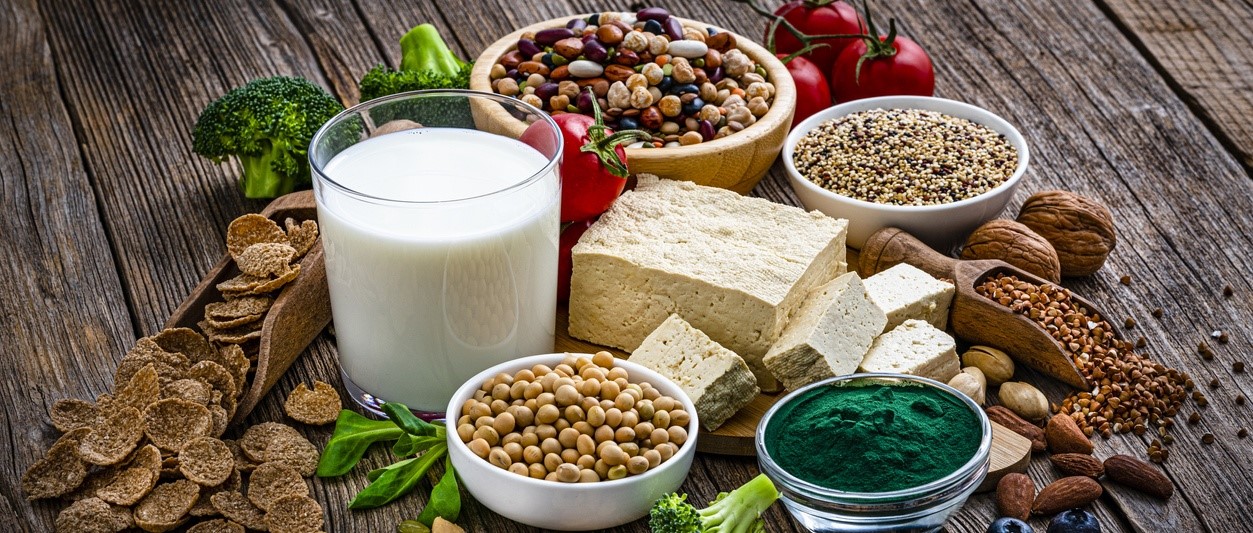
If you follow a plant-based diet that excludes dairy, this doesn't have to mean your calcium intake is low. Travers says that cruciferous vegetables, beans, lentil and chickpeas are rich sources of calcium.
"These are probably the best sources of calcium, and the reason they are so good for vegans and vegetarians is because often - or hopefully, at least - they will already be eating these foods, because they're a great source of protein and a really good source of iron," she says.
"I also recommend vegetarians to add beans, lentils and chickpeas in their diet in place of meat - as the main protein source in meals. But unlike meat, they have the added benefit of calcium."
For example2,3:
200g of cooked chickpeas contains around 100mg.
200g of cooked lentils contains around 40mg.
200g of cooked white beans contains around 132mg.
One cup of cooked collard greens contains around 266mg.
One cup of cooked broccoli contains around 60mg.
One cup of cooked kale contains around 179mg.
Fortified plant-based foods
Fortified foods have nutrients added to them so they are more beneficial - and they can be an easy way to sneak calcium in, too. For example, while foods fortified with calcium tend to vary between brands, these are the average amounts of calcium they provide, according to the BDA1:
One serving of fortified cereal (30g) contains up to 174mg.
Two slices of fortified white bread contains 155mg - or 106mg for brown bread.
A 100g uncooked serving of tofu made with calcium chloride or calcium sulphate contains 350-400mg.
A serving of plant-based fortified milk - such as oat, nut or soya - in your tea or coffee (100ml) contains 120-189mg.
Travers says: "Fortified plant based milks are probably where most vegans get their calcium from, especially those who don't eat beans, lentils or chickpeas. They are generally fortified with the same amount of calcium you get from dairy milk."
Is fortified plant milk calcium easy to absorb?
The dietitian explains that, generally speaking, it's harder for our bodies to absorb calcium from a fortified product than from foods that naturally contain this important nutrient.
The other thing about fortified plant based milks is that often the calcium sinks to the bottom of the carton. And shaking doesn't necessarily make that much difference. So plant-based milk can have its drawbacks. But, unlike iron, our bodies can absorb calcium in tea or coffee."
It's also worth bearing in mind that some plant milks have more artificial additives and added sugars than others. Find out how to choose a healthy dairy-free milk or make it at home.
Further reading
Patient picks for Vegan and vegetarian
Diet and nutrition
Plant-based proteins could help prevent high blood pressure
Eating a greater amount of minimally processed plant-based proteins - such as beans, nuts and lentils - may lower your chance of developing high blood pressure, according to new research.
by Laura Williamson
Diet and nutrition
How to avoid ultra processed foods when you're vegan
More people are cutting out meat in favour of plant-based diets for ethical, environmental and health reasons. But not all plant-based foods - either vegetarian or vegan - are as healthy as we think they are. In fact, some are classed as ultra-processed foods, which have been linked to heart disease and cancer.
by Victoria Raw
About the author
Authored by

Ellie Broughton
About the reviewerView full bio

Dr Krishna Vakharia, MRCGP
Chief Medical Officer for Health, Optum UK
MBChB, MRCGP(2013), BMedSci (hons), DFSRH, DRCOG, PGDipDerm (Distn)
Dr Krishna Vakharia is an NHS GP. She is also a regular examiner for the postgraduate Diploma in Practical Dermatology at Cardiff University as well as being the Chief Medical Officer for health at Optum UK.
Article history
Article also available in English, German, Spanish, French, Italian, Portuguese, Hindi, Hebrew, Arabic, and Swedish.
17 Jan 2024 | Originally published
Authored by:
Ellie Broughton
Peer reviewed by
Dr Krishna Vakharia, MRCGP
Join the conversation
Share your thoughts or experiences with others in our patient communities.

Ask, share, connect.
Browse discussions, ask questions, and share experiences across hundreds of health topics.

Feeling unwell?
Assess your symptoms online for free
Sign up to the Patient newsletter
Your weekly dose of clear, trustworthy health advice - written to help you feel informed, confident and in control.
By subscribing you accept our Privacy Policy. You can unsubscribe at any time. We never sell your data.