What's behind the HRT shortage in the UK?
Peer reviewed by Natalie HealeyAuthored by Milly EvansOriginally published 27 Aug 2019
Meets Patient’s editorial guidelines
- DownloadDownload
- Share
- Language
- Discussion
- Ask Patient
- Audio Version
- Add to preferred sources on Google
Women across the UK are struggling to get hold of their hormone replacement therapy prescriptions due to ongoing manufacturing and supply issues.
Get support with menopause symptoms
Get expert healthcare advice from the comfort of home. Complete a quick online consultation, available 24/7, with your request reviewed by a UK-registered clinician. Next day delivery available on eligible treatments.

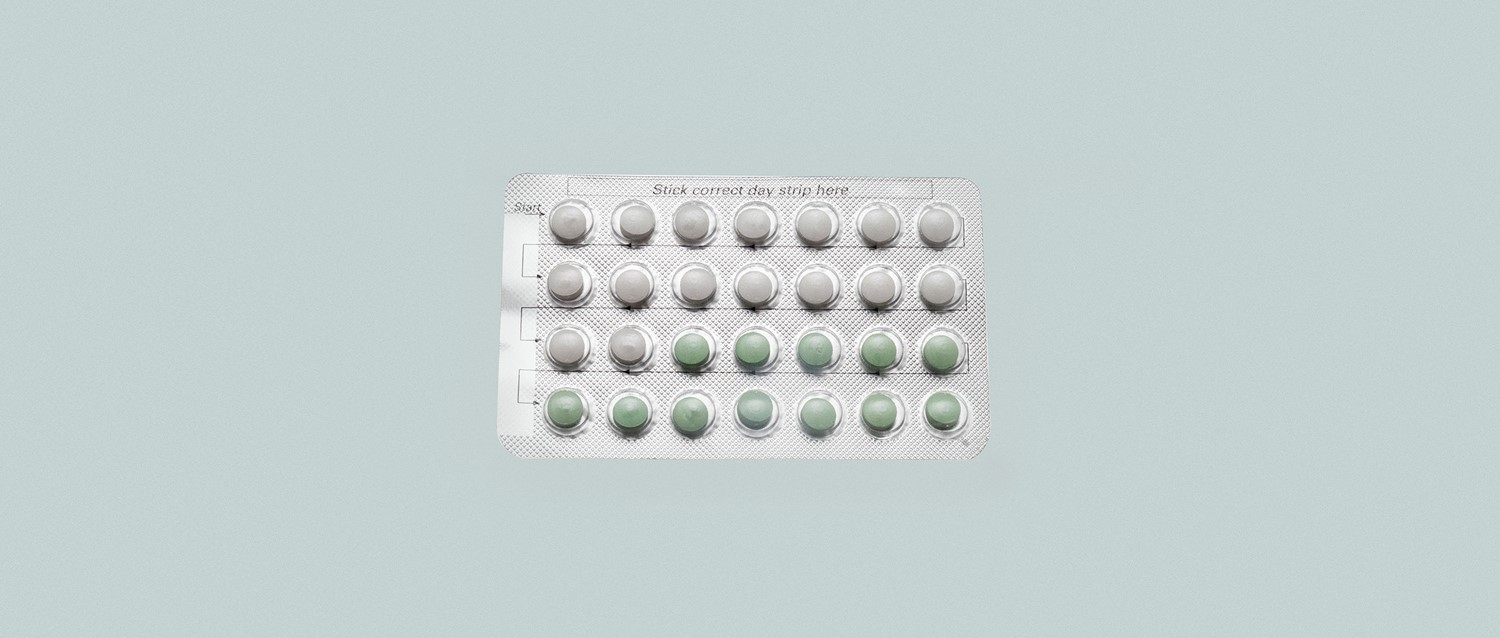
Hormone replacement therapy (HRT) is used by around a million women in the UK to improve symptoms of menopause. However, some are currently unable to obtain their prescriptions due to shortages of HRT products.
HRT is used to replace the oestrogen hormones which stop being produced by the ovaries when a woman enters the menopause. Some types also contain the hormone progestogen. HRT treats menopausal symptoms including hot flushes, night sweats, vaginal dryness, sexual function and joint pains. There is some evidence that it can also improve mood and sleep.
The Royal College of Obstetricians and Gynaecologists (RCOG), the British Menopause Society (BMS) and the Faculty of Sexual and Reproductive Healthcare (FSRH) have all received queries from women and doctors who are having issues obtaining HRT, they said in a joint statement. The organisations are calling on the Department of Health and Social Care to work with manufacturers to understand and limit the impact of these shortages.
Professor Lesley Regan, president of the RCOG, stressed the importance of HRT for women who take it for menopausal symptoms. "We are very concerned that thousands of women are struggling to get their HRT prescriptions, or even prescriptions for alternative treatments. HRT is essential for many women to ensure that they are able to continue to lead a high quality life.
"Although we have been told that some of the supply issues are temporary, others are not and are negatively affecting the treatment and care that clinicians can provide to their patients. Most importantly, it means that some women are having to find alternative products or even go without," explained Regan.
The problem is affecting women across the country. "Every week in my clinic I see women who are affected by the shortage in HRT treatment," said President of the FRSH, Dr Asha Kasliwal.
The availability issues are increasing the stress of already difficult symptoms for many menopausal women. "These women are not being able to receive the treatment that best suits their needs, leaving some women to cope with quite debilitating symptoms that directly impact on their daily lives."
How long will the shortage last?
The British Menopause Society is issuing updates on its website about the availability of treatments. Some forms of HRT will be unavailable until the end of August or early September whereas others will be out of stock until mid-2020, according to suppliers. Clinicians are being encouraged to offer alternative treatments with similar levels of hormones to avoid disrupting HRT treatment where possible.
Currently there is little explanation for the shortages beyond manufacturing and supplier issues, although an increased uptake due to awareness of the benefits of HRT may be partially responsible.
Janssen, manufacturer of Evorel HRT treatment, have seen "an unusual increase in demand for HRT over recent months across a number of countries, including the UK", leading to a reduction in the supply of Evorel products. In part, this increased demand was due to shortages of products including Theramex's FemSeven range since the end of 2018, causing women to switch to other brands.
"We need to understand the reasons behind this and what measures could be taken to resolve this issue and to prevent it happening again in the future. It remains unclear why there is a shortage of the treatments in the first place or when the normal supply of the products might resume. We are seeking further information and clarification, as to when the matter will be resolved, from the industry," said Chair of the BMS and consultant gynaecologist, Haitham Hamoda.
"Supplies of alternative HRT products are available and women affected should discuss alternatives with their doctor."
Patient picks for Menopause and HRT

Hormones
New insight into breast cancer risk after stopping HRT
A new analysis of the existing evidence has found a link between hormone replacement therapy (HRT) and breast cancer. Women's health organisations have said that this is not new evidence but should be used to help women make a decision about menopause treatment.
by Milly Evans

Hormones
The truth about HRT
Hormone replacement therapy (HRT) is effective in relieving the symptoms of menopause but has been beset with issues over safety, side-effects and misinformation. We examine the latest thinking on HRT and offer an insight into patient experience, separating fact from fiction.
by Sally Turner

Treatment and medication
Hormone replacement therapy (HRT)
Many women experience menopausal symptoms that affect their quality of life. Hormone replacement therapy (HRT) is the most effective form of treatment. See the separate leaflet called Menopause, for more information about menopausal symptoms. Everyone who goes through the menopause is of the female sex, and so the words woman/women and the pronouns she/her are used in this leaflet. Some people going through the menopause will have a gender identity that differs from their sex, that is, they will be non-binary or trans men - this is discussed later in the leaflet.
by Dr Toni Hazell, FRCGP

Hormones
What are the signs HRT is not working anymore?
Hormone replacement therapy (HRT) has transformed the lives of many women troubled by debilitating symptoms at menopause. But after taking HRT for a couple of years, some women find their symptoms begin to return. Why does this happen and what can be done to remedy the issue?
by Amberley Davis

Hormones
Will HRT for menopause soon be free over the counter?
Following a campaign last year, the government agreed to consider making certain types of hormone replacement therapy (HRT) available directly from pharmacists and to reduce the costs of HRT prescriptions significantly for women in England. But there has been confusion over what these proposed changes really mean in practical terms. We talk to a specialist doctor for more clarity on HRT for menopause.
by Sally Turner

Hormones
What are the side effects of HRT?
Hormone replacement therapy (HRT) is commonly prescribed to people who are going through menopause to help manage their symptoms. However, some people are concerned about the side effects. We spoke with a doctor to learn more about the possible side effects of HRT.
by Victoria Raw
About the authorView full bio
Authored by

Milly Evans
Editor
Milly writes on a range of health topics, with a particular interest in health inequality and sexual health.
About the reviewerView full bio

Natalie Healey
Freelance journalist
BSc (Hons) Biomedical Science
She is a London-based health journalist who has been writing about science and medicine for several years. She is the former head of editorial at Patient.
Article history
Article also available in English, German, Spanish, French, Italian, Portuguese, Hindi, Hebrew, Arabic, and Swedish.
27 Aug 2019 | Originally published
Authored by:
Milly EvansPeer reviewed by
Natalie Healey
Share your thoughts or experiences with others in our patient communities.
Sign up to the Patient newsletter
Your weekly dose of clear, trustworthy health advice - written to help you feel informed, confident and in control.
By subscribing you accept our Privacy Policy. You can unsubscribe at any time. We never sell your data.