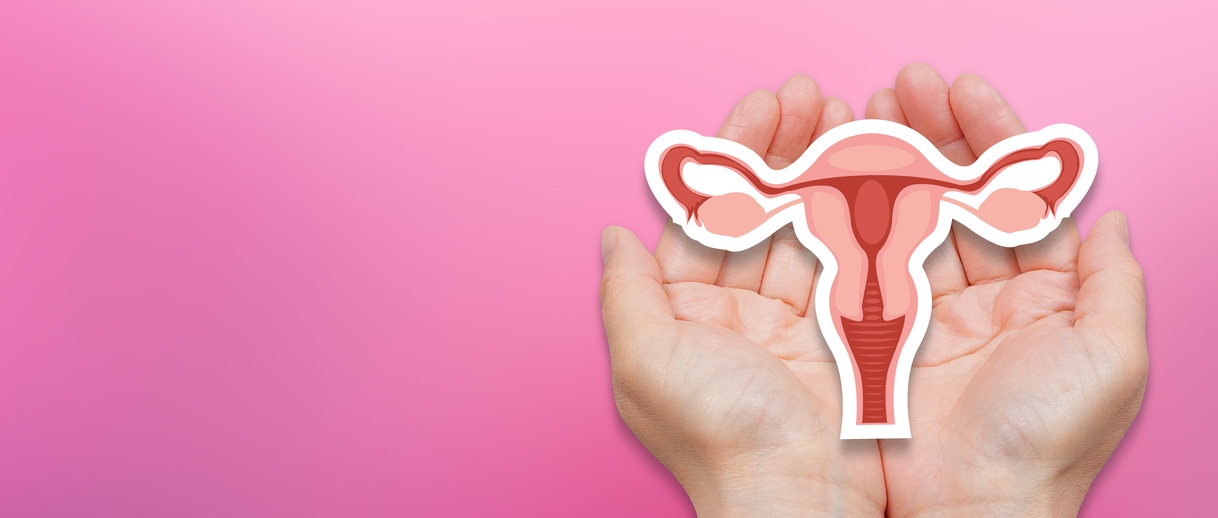
Are you going through the perimenopause?
Peer reviewed by Dr Colin Tidy, MRCGPLast updated by Lawrence HigginsLast updated 15 Jan 2026
Meets Patient’s editorial guidelines
- DownloadDownload
- Share
- Language
- Discussion
- Audio Version
- Add to preferred sources on Google
You may not have reached menopause if you're experiencing headaches, night sweats, weight gain, anxiety, and depression - but you may be perimenopausal. While this means your body is transitioning towards menopause, it could be years before you reach it.
Sign up for our free 10-week Menopause course!
Each week, we'll explore different topics to help you better understand and navigate your menopausal journey, including HRT, diet, exercise, and mental health.
By subscribing you accept our Privacy Policy. You can unsubscribe at any time. We never sell your data.
What is perimenopause?
Perimenopause means 'around the time of menopause' and refers to the time during which your body makes the natural transition to menopause.
Many of the changes you have during perimenopause are a result of decreasing oestrogen.
Symptoms of perimenopause
Most women will experience some form of perimenopausal symptoms before menopause.
Dr Harpreet Brar, a gynaecologist based in Atlanta, USA recommends keeping a record of the symptoms related to menopause. She suggests documenting changes to your periods and any other symptoms you are having. This will help your doctor develop an individualised treatment plan.
Perimenopausal symptoms can include:
Irregular periods
When you have a usual period, the levels of oestrogen and progesterone increase and decrease in a regular pattern. But during perimenopause, your hormone levels are all over the place. As a result, you may have irregular bleeding or spotting.
Some months, your period may be longer and heavier. Other months, it may be shorter and lighter. The number of days between periods may increase or decrease, and you may begin to skip periods.
This irregular bleeding is normal. However, if your bleeding is very heavy, occurs more often than every three weeks, or lasts much longer than usual, you should contact your doctor.
Hot flushes
Hot flushes are one of the most common symptoms of perimenopause. According to Brar, they are characterised as a sudden onset of heat and warmth beginning in the chest and face. They are often accompanied by sweating and usually last around 2 to 4 minutes. Hot flushes can happen daily or even hourly.
Night sweats
You may wake up several times each night drenched with sweat and need to change your bed clothes and bed linen. This is known as night sweats.
Mood changes
Mood swings, irritability, or increased chance of depression may happen during perimenopause.
Sleep changes
Problems with your sleep during perimenopause can be made worse by hot flushes, night sweats, and other uncomfortable symptoms.
Vaginal dryness and changes in sexual function
Problems with vaginal dryness and having sex are another common complaint in perimenopausal women. This may cause a drop in your hormone levels leading to a reduced or absent sex drive - your libido. This can also be related to low testosterone levels in your body.
Weight gain
Fluctuating oestrogen levels may be at least partly to blame for the extra weight that tends to appear out of nowhere, particularly around your midsection.
Headaches
Headaches and migraines can get worse as hormones fluctuate.
A fuzzy head
Focus and concentration can become worse during this transition and may give you 'brain fog'.
Joint pain
Low levels of oestrogen can lead to many of your joints feeling stiff and aching.
How to manage perimenopausal symptoms
At some point, you will have symptoms related to perimenopause. While you cannot control whether or not your body goes through these changes, you can find ways to manage the symptoms.
1. Move your body
Staying active and eating healthy foods are beneficial for every phase of perimenopause. Aim for at least 30 minutes each day - five days a week - of aerobic and strength training exercise. This will also help reduce your chance of developing osteoporosis that comes with the menopause.
2. Make healthy food choices
Nutrition from whole foods - quality protein, vegetables, fruits, complex carbohydrates, and good fats - will help keep blood sugars level. Eliminating or reducing alcohol, caffeine, and sugar may also help reduce symptoms. This can help stabilise moods and fight tiredness, belly bloat, and weight gain. Ideally, tailor your diet to ease your symptoms.
3. Medicines to try
Some doctors use medicine to treat symptoms. This includes hormone replacement therapy (HRT), vaginal oestrogen, and antidepressants.
In addition to the general tips listed above, the following tips can help manage specific symptoms:
4. Alleviate hot flushes
You can try to manage hot flushes on a day-to-day basis by dressing in loose-fitting layers, using a personal fan, and avoiding triggers such as spicy foods.
Moderate to severe symptoms may require a course of treatment.
5. Sleep better
Treating hot flushes can help ease some sleep disturbances. Practicing good sleep hygiene and techniques will help.
6. Use lube
Brar recommends using personal lubricants, to help with vaginal dryness, but she also notes that these issues often require oestrogen therapy, which is usually limited to vaginal oestrogen replacement.
How long does perimenopause last?
If you are having menopausal symptoms - but still having periods - then you may be perimenopausal. You can expect to go through this premenopausal stage for around four years - however, some women can experience anything from a few months to 10 years of symptoms. Perimenopause ends when a woman has gone 12 consecutive months without a menstrual period.
Brar says: "Most women begin to experience the symptoms of perimenopause in their mid 40s, with the average age being 47."
The average age of the menopause is 51 years. However, perimenopause or menopausal transition occurs in the years before your periods stop.
Perimenopause is a natural life transition that many women go through. Some who have milder symptoms may be able to manage any discomfort on their own. But if you find that you are unable to get relief, it may be time to visit your doctor to talk about other options.
Patient picks for Menopause and HRT

Hormones
What it's like to go through early menopause
The menopause is a natural part of life that occurs when the ovaries stop producing eggs and when a woman's hormone levels change. Although it usually takes place between 45 and 55, around one in 100 women experience the menopause before 40 years of age.
by Lydia Smith
Hormones
Should you be worried about postmenopausal bleeding?
You've endured the hot flushes and the mood swings. You've survived the heavy, irregular bleeding. Once you come out the other side, maybe the menopause isn't so bad - after all, you don't have to put up with periods every month. But then you start bleeding again, and you're not sure if it's normal.
by Dr Sarah Jarvis
About the authorView full bio
Updated by

Lawrence Higgins
Managing editor
BSc, Post Graduate Diploma
Lawrence has worked as both Managing Editor of Patient.info and a contributing author. He is also a member of the Guild of Health Writers.
Authored by

Sara Lindberg
Senior Writer
BSc (Hons), MSc
Sara Lindberg is a freelance health, fitness, and wellness writer.
About the reviewerView full bio

Dr Colin Tidy, MRCGP
General Practitioner, Medical Author
MBBS, MRCGP, MRCP (Paediatrics), DCH
Dr Colin Tidy is an NHS Doctor, based in Oxfordshire.
Article history
Article also available in English, German, Spanish, French, Italian, Portuguese, Hindi, Hebrew, Arabic, and Swedish.
Next review due: 15 Jan 2029
15 Jan 2026 | Latest version
20 Dec 2017 | Originally published
Authored by:
Sara Lindberg
Join the conversation
Share your thoughts or experiences with others in our patient communities.

Ask, share, connect.
Browse discussions, ask questions, and share experiences across hundreds of health topics.

Feeling unwell?
Assess your symptoms online for free
Sign up to the Patient newsletter
Your weekly dose of clear, trustworthy health advice - written to help you feel informed, confident and in control.
By subscribing you accept our Privacy Policy. You can unsubscribe at any time. We never sell your data.