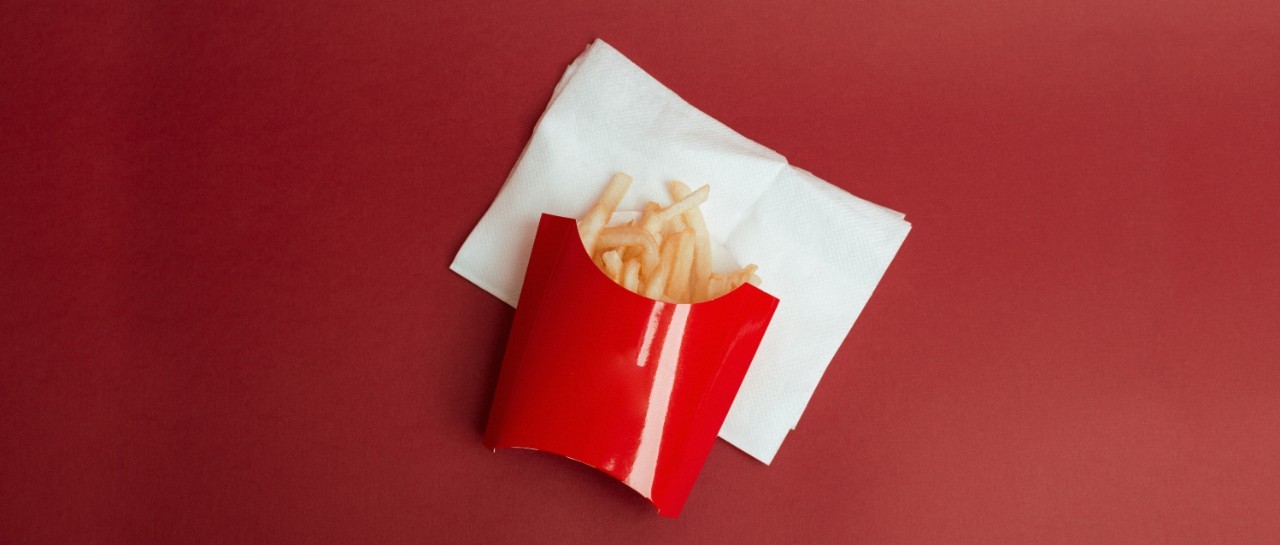
Junk food diet linked to low sperm count
Peer reviewed by Natalie HealeyAuthored by Ashwin BhandariOriginally published 25 Jun 2019
Meets Patient’s editorial guidelines
- DownloadDownload
- Share
- Language
- Discussion
- Audio Version
- Add to preferred sources on Google
A man's fertility could be irreversibly damaged by eating a diet that's high in junk food, suggests new research.
A study of nearly 3,000 young male military recruits (aged 18-20) from Denmark showed those with high-fat and sugary diets had lower sperm counts than their counterparts who ate more fruit and vegetables.
Researchers from Harvard University used extensive diet surveys to group the men into four categories.
They found those who reguarly ate a balanced diet, with plenty of fish, white meats, fruit, and vegetables, produced the healthiest sperm.
This was followed by vegetarians, whose diets also included soy and eggs, as well as men who ate a traditional Scandinavian diet with more processed meats, whole grains, cold fish and dairy.
The report concluded that unhealthy diets, high in processed foods, are linked with hormone levels that could cause irreversible damage to sperm-producing cells.
Dr Jorge Chavarro, who led the research, said: "Our findings support the growing evidence that adhering to generally healthy diet patterns is associated with higher sperm counts and more favourable markers of sperm function."
Various studies have shown that sperm counts have been declining in recent decades, which have pointed to poor diet as a leading cause. However, they mostly focused on those in their late 20s, 30s and 40s who are struggling to conceive. By contrast, this research shows that a poor diet growing up may reduce a man's chances of fathering children for the rest of his life.
Professor Allan Pacey at the University of Sheffield, a sperm and fertility expert, told the Daily Mail: "The concern would be that a poor diet younger in life makes a change that sticks with you."
Sperm have a lifespan of around three months and many fertility experts say improving your diet could allow sperm production to recover. But this research highlights the importance of healthy eating at all stages of life.
The findings were presented at the annual meeting of the European Society of Human Reproduction and Embryology in Vienna, Austria.
Patient picks for Fertility

Sexual health
How your lifestyle may be a cause of low sperm count
Did you know that your diet, stress levels and how much you drink could have an impact on your sperm count? We explore what to do to improve the health of your sperm.
by Natalie Healey

Sexual health
Fertility diet: what to eat when you're trying to get pregnant
With infertility affecting up to one in seven couples in the UK, it's important to do all that we can to support and protect our body functions involved in making a child. This starts with our diet - something we can control every day. We speak to a fertility specialist about what to eat and avoid on a fertility diet.
by Amberley Davis
About the authorView full bio
Authored by

Ashwin Bhandari
Medical Writer
BA Journalism
About the reviewerView full bio

Natalie Healey
Freelance journalist
BSc (Hons) Biomedical Science
She is a London-based health journalist who has been writing about science and medicine for several years. She is the former head of editorial at Patient.
Article history
Article also available in English, German, Spanish, French, Italian, Portuguese, Hindi, Hebrew, Arabic, and Swedish.
25 Jun 2019 | Originally published
Authored by:
Ashwin BhandariPeer reviewed by
Natalie Healey
Join the conversation
Share your thoughts or experiences with others in our patient communities.

Ask, share, connect.
Browse discussions, ask questions, and share experiences across hundreds of health topics.

Feeling unwell?
Assess your symptoms online for free
Sign up to the Patient newsletter
Your weekly dose of clear, trustworthy health advice - written to help you feel informed, confident and in control.
By subscribing you accept our Privacy Policy. You can unsubscribe at any time. We never sell your data.