Four-in-one pill could prevent heart problems
Peer reviewed by Natalie HealeyLast updated by Ashwin BhandariLast updated 23 Aug 2019
Meets Patient’s editorial guidelines
- DownloadDownload
- Share
- Language
- Discussion
- Audio Version
- Add to preferred sources on Google
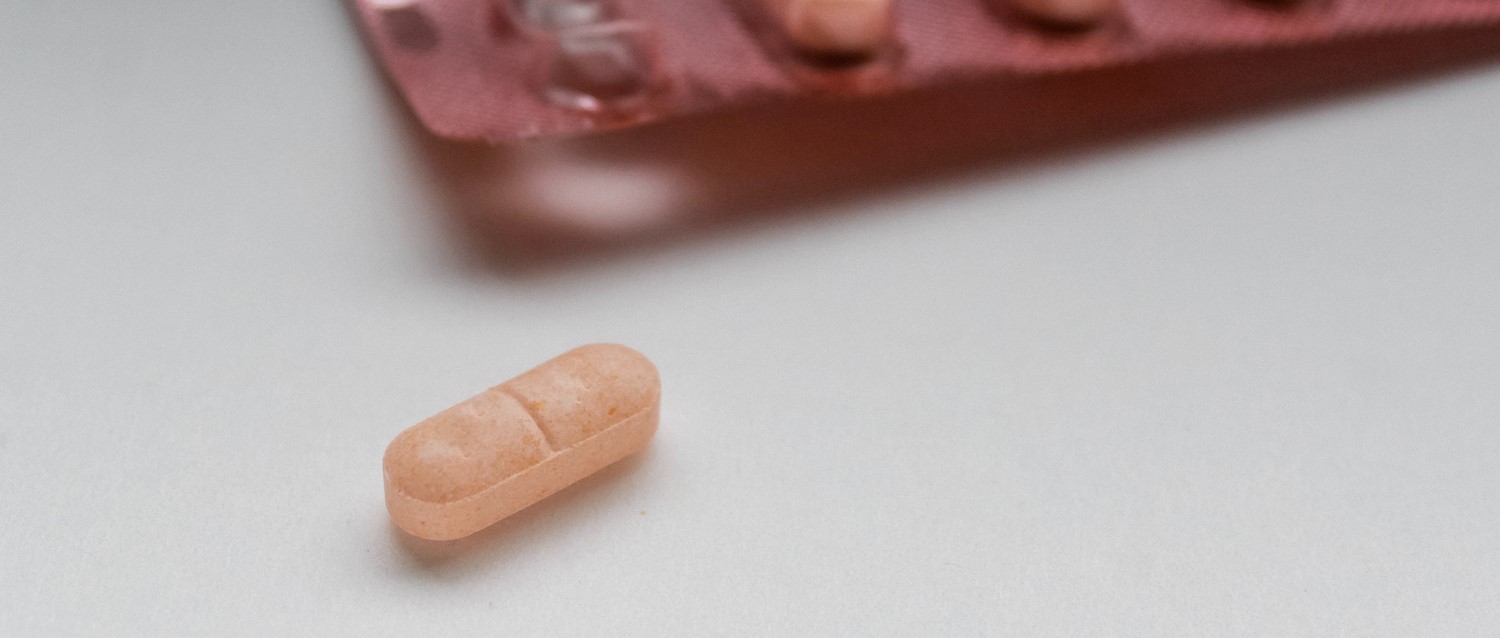
A 'polypill', which combines four different drugs, can cut the risk of heart disease and stroke, according to new research.
Taking one daily pill containing a number of different medications could reduce the risk of heart attack, stroke and heart failure.
The low-cost 'polypill' combines four drugs, including a cholesterol-lowering statin, aspirin and two medicines that prevent high blood pressure.
A study, published in The Lancet, has shown that the pill can reduce the risk of heart disease by 34%
Experts at Tehran University of Medical Sciences in Iran, recruited almost 7,000 people aged 55 and over from 236 villages in northern Iran. Each village was allocated to one of two groups.
Those in the first group were given general advice on diet, exercise and smoking. Participants in the second group were given the same advice, but were also required to take the polypill each day.
After five years, 202 people in the group that took the combination pill had suffered a heart attack or a stroke, compared with 301 in villages where only lifestyle advice was given.
Some participants reported unpleasant side effects from long-term use such as dizziness, muscle pain and indigestion. However, complications were said to be as common in those not taking the pill.
Co-author professor Tom Marshall from University of Birmingham said: "Polypills are commercially available in a number of countries for secondary prevention, but this is the largest trial confirming the value of the polypill and showing it is effective in primary prevention."
"The idea of the polypill has always been appealing, and now we know that a fixed-dose polypill can achieve clinical benefits in practice," says Professor Reza Malekzadeh from Tehran University of Medical Sciences in Iran who led the research.
Despite the benefits of the polypill, Malekzadeh stressed that this medication is not an alternative to a healthy lifestyle, and should be combined with physical activity and a balanced diet.
Dr Kate Holmes, assistant director of research, Stroke Association, said: "We know that there is a growing problem of stroke and other cardiovascular diseases in low- and middle-income countries and that preventative strategies are urgently needed if we are to address this problem. Governments who can provide access to a low-cost polypill would be making significant progress towards the World Health Organization’s goal of Universal Health Coverage, that is, for all people to receive the health services they need without suffering financial hardship."
Patient picks for Heart disease

Heart health and blood vessels
What is alcoholic cardiomyopathy?
Excessive alcohol consumption can damage the heart and lead to a condition called alcoholic cardiomyopathy. How common is this alcoholic cardiomyopathy, and what are the symptoms?
by Amberley Davis

Heart health and blood vessels
What is the most common cause of sudden cardiac death?
Every year in the UK, 100,000 people die of a sudden cardiac arrest, making it the nation's biggest killer. Sudden cardiac death kills more people than lung cancer, breast cancer and AIDS combined. It's important to know the warning signs of a heart condition so it can be treated as early as possible, and what might put you at risk.
by Emily Jane Bashforth
About the authorView full bio

Ashwin Bhandari
Medical Writer
BA Journalism
About the reviewerView full bio

Natalie Healey
Freelance journalist
BSc (Hons) Biomedical Science
She is a London-based health journalist who has been writing about science and medicine for several years. She is the former head of editorial at Patient.
Article history
The information on this page is peer reviewed by qualified clinicians.
Article also available in English, German, Spanish, French, Italian, Portuguese, Hindi, Hebrew, Arabic, and Swedish.
23 Aug 2019 | Latest version
Join the conversation
Share your thoughts or experiences with others in our patient communities.

Ask, share, connect.
Browse discussions, ask questions, and share experiences across hundreds of health topics.

Feeling unwell?
Assess your symptoms online for free
Sign up to the Patient newsletter
Your weekly dose of clear, trustworthy health advice - written to help you feel informed, confident and in control.
By subscribing you accept our Privacy Policy. You can unsubscribe at any time. We never sell your data.
More in heart health and blood vessels
- Artificial intelligence could detect irregular heartbeats
- Can red yeast rice lower your cholesterol?
- Can you die from a broken heart?
- Can you lower cholesterol through diet alone?
- Drug trials of new hypertrophic cardiomyopathy treatment brings hope to patients
- Good heart health in middle age may lower risk of dementia
- How to cope with isolation after a stroke
- How to deal with Raynaud's in the winter months
- How to lower your blood pressure
- How to lower your cholesterol
- How to reduce your risk of stroke?
- How to shop for a low cholesterol diet
- Is cardiomyopathy genetically inherited?
- Is your job putting your health at risk?
- What does smoking do to your heart?
- What is Chronic Venous Insufficiency?
- What is the link between stroke recovery and gut health?
- What's causing your cold hands and feet?
- Which foods help lower blood pressure?
- Why you need to check your cholesterol