
Hay fever: How to cope with a 'pollen bomb'
Peer reviewed by Dr Krishna Vakharia, MRCGPAuthored by Lydia SmithOriginally published 12 Jun 2023
Meets Patient’s editorial guidelines
- DownloadDownload
- Share
- Language
- Discussion
- Audio Version
- Add to preferred sources on Google
With the warmer weather, the tempting smell of barbecues is floating through our windows - but that’s not the only thing in the air. Levels of pollen are always higher in the warmer months - and when we have periods of hot and dry days we may get what is called a pollen bomb.
Need hayfever medication?
Start a quick online consultation through Patient.info, available 24/7.
Reviewed by UK-registered clinicians and powered by Evaro, a UK-regulated healthcare service. Treatment can often be delivered next day.

What is a pollen bomb?
A pollen bomb happens when trees and plants release millions of grains of pollen within a short period of time as a result of prolonged dry weather. Although pollen bomb isn’t an official phrase used by meteorologists, it is used to describe very high levels of pollen in the atmosphere that can worsen symptoms for those with hay fever.
The weather is known to affect pollen levels. When it is dry and hot with little wind, pollen isn’t dispersed as easily, so the levels remain high and cause irritation to the eyes, nose and throat. Wet weather will temporarily suppress the release of pollen and cause the levels to drop.
High pollen levels happen when there are 50 to 150 grass pollen grains in each cubic metre of air. However, people who are more sensitive to pollen may struggle with hay fever symptoms when the levels are lower.
When do pollen levels get higher?
According to the Met Office, levels of pollen peak during the early morning and late evening. The grass pollen season runs from the end of May to early August, and this affects 95% of hay fever sufferers across the UK.
Where you live can affect the severity of your symptoms too. A study published by researchers at the University of Manchester found people living in urban areas report significantly worse hay fever symptoms1.
Professor Sheena Cruickshank, an immunologist and one of the study authors, said: “This study provides evidence that urban surroundings may exacerbate hay fever and asthma symptoms. These differences in allergy symptoms may be due to variation in the levels of pollutants, pollen counts and seasonality across land-use types.”
How to cope with a pollen bomb
If you’re struggling with hay fever, there are several steps you can take to help ease your symptoms.
When it’s hot, it is tempting to throw open the windows for a cooling breeze. However, it can be better to keep windows and doors shut as much as possible to prevent pollen from coming into your home. Plug-in fans can be a safer way to keep cool if you have hay fever.
Putting Vaseline around your nostrils can help stop pollen from going up your nose and causing irritation. Sunglasses, especially the kind that wrap around your head, can help prevent pollen from getting into your eyes.
After you’ve been outside, shower and change your clothes as they may be contaminated with pollen. Pets can also bring pollen inside too, so it can help to vacuum regularly.
Vacuums with a high-efficiency particulate air (HEPA) filter are more efficient in picking up pollen and dust. Air purifiers, and dusting surfaces using a damp cloth, can help clear pollen from inside your home too.
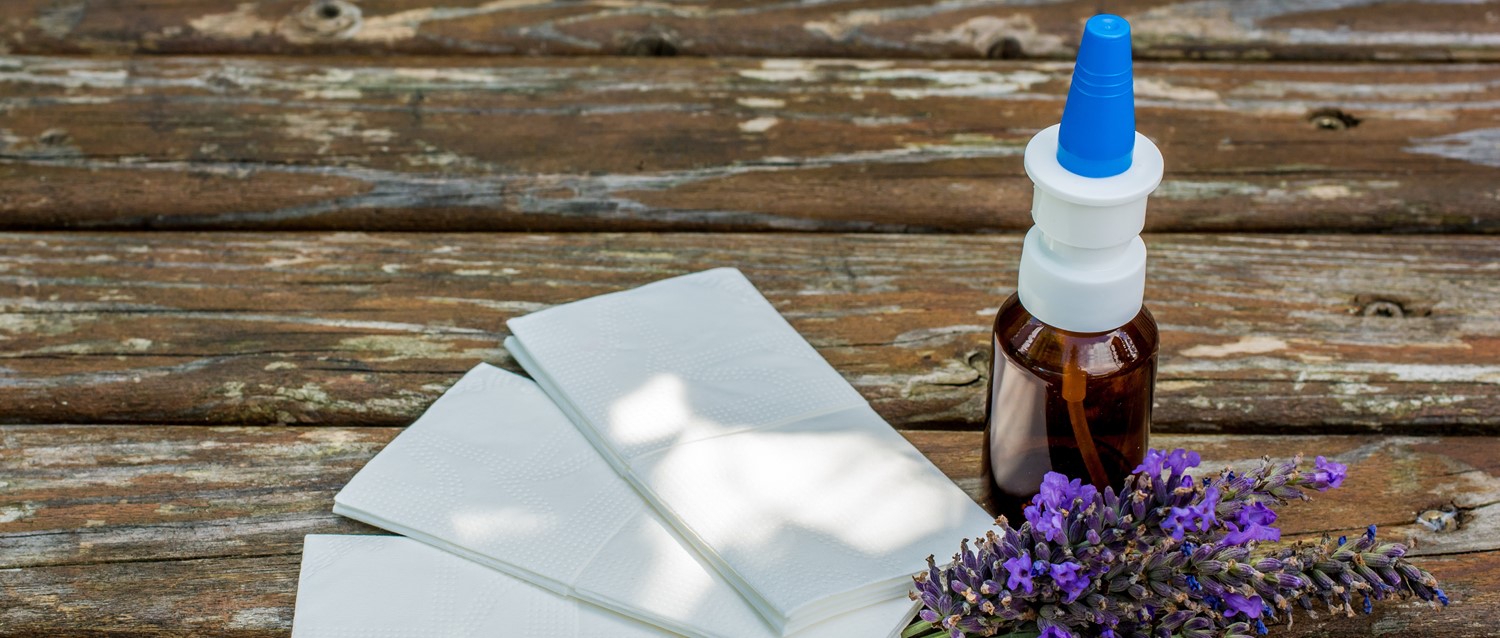
Medications can help reduce the severity of symptoms. Antihistamines block the action of histamines, chemicals your immune system releases when pollen is around. Some antihistamines may cause drowsiness. Nasal sprays and gels, as well as eye drops like sodium cromoglycate, can also provide relief for symptoms such as itchy noses and eyes. You can buy these medicines from pharmacies.
Keeping checking on the weather can help too, so you can prepare for higher pollen levels. The Met Office, is a good way to check the levels in your area, which may tell you whether your hay fever symptoms are likely to flare up.
Further reading
Patient picks for Hay fever
Allergies, blood and immune system
Which type of hay fever nasal spray is right for you?
For hay fever sufferers, it's almost impossible to totally avoid pollen throughout spring and summer. Thankfully, there are treatments that can provide hay fever relief, and these come in the form of oral tablets, eye drops, non-drug methods, and nasal sprays. With so many options to consider, how do you know if nasal sprays are right for you, and which type of hay fever nasal spray is best?
by Amberley Davis

Allergies, blood and immune system
Hay fever injection: is Kenalog safe?
For 1 in 4 people, warmer weather marks the beginning of an annual struggle against hay fever. The Kenalog hay fever injection has previously offered relief to many in the UK, but the potential risks of this jab has caused the NHS to stop prescribing it. Concerns over side effects have even spurred the UK government to ban social media adverts - although some companies continue to breach this law. We explore the safety concerns of getting the hay fever jab elsewhere.
by Amberley Davis
Frequently asked questions
What is the primary cause of a 'pollen bomb' according to the article?
A 'pollen bomb' is caused by trees and plants releasing a massive amount of pollen very quickly, often after a long period of dry weather.
Does humidity or rain affect pollen levels?
Wet weather can temporarily reduce the release of pollen, causing levels to drop. In contrast, dry and hot weather with little wind can lead to persistently high pollen levels.
How do antihistamines help with hay fever symptoms?
Antihistamines work by blocking chemicals called histamines, which your immune system releases in response to pollen. This action helps to reduce the severity of your hay fever symptoms.
Can pets bring pollen indoors?
Yes, pets can carry pollen into your home on their fur. Regularly vacuuming can help remove this pollen from your indoor environment.
What role do air purifiers play in managing pollen indoors?
Air purifiers can help to clear pollen from inside your home, contributing to a reduction in indoor pollen levels.
Why is it suggested to dust with a damp cloth if you have hay fever?
Dusting surfaces with a damp cloth is recommended because it helps to effectively clear pollen from inside your home, rather than just spreading it around.
About the authorView full bio

Lydia Smith
Feature writer
BA, MA, MSc
Lydia Smith is an award-winning journalist and feature writer who has written extensively on women's health and mental health. She is currently studying for an MSc in psychology.
About the reviewerView full bio

Dr Krishna Vakharia, MRCGP
Chief Medical Officer for Health, Optum UK
MBChB, MRCGP(2013), BMedSci (hons), DFSRH, DRCOG, PGDipDerm (Distn)
Dr Krishna Vakharia is an NHS GP. She is also a regular examiner for the postgraduate Diploma in Practical Dermatology at Cardiff University as well as being the Chief Medical Officer for health at Optum UK.
Article history
Article also available in English, German, Spanish, French, Italian, Portuguese, Hindi, Hebrew, Arabic, and Swedish.
Next review due: 12 May 2027
12 Jun 2023 | Originally published
Authored by:
Lydia SmithPeer reviewed by
Dr Krishna Vakharia, MRCGP
Join the conversation
Share your thoughts or experiences with others in our patient communities.

Ask, share, connect.
Browse discussions, ask questions, and share experiences across hundreds of health topics.

Feeling unwell?
Assess your symptoms online for free
Sign up to the Patient newsletter
Your weekly dose of clear, trustworthy health advice - written to help you feel informed, confident and in control.
By subscribing you accept our Privacy Policy. You can unsubscribe at any time. We never sell your data.
More in allergies, blood and immune system
- Anaphylactic shock: symptoms, triggers, and what to do
- Can babies get hay fever?
- Can pregnancy make you more sensitive to hay fever?
- Check pollen levels in your area
- Coconut allergy: can coconut oil make your skin itch?
- Could you have a nightshade allergy?
- How to get over a fear of blood tests
- How to manage hay fever at home
- How to travel safely if you have allergies
- Is it cow's milk allergy or lactose intolerance?
- Personalised blood test detects return of breast cancer
- Video: How do you know if you're intolerant to dairy?
- Vitamin B12 deficiency signs you need to know
- What are the early warning signs of blood cancer?
- What can you eat if you're lactose intolerant?
- What does a full blood count show us?
- What is gluten intolerance?
- NewWhat is Skeeter syndrome? When a mosquito bite is more than just an itch
- What is the difference between allergy and intolerance?
- Which type of hay fever nasal spray is right for you?