Can you get gallstones when you're young?
Peer reviewed by Rose Constantine Smith, ANutrAuthored by Rose Constantine Smith, ANutrOriginally published 9 Oct 2017
Meets Patient’s editorial guidelines
- DownloadDownload
- Share
- Language
- Discussion
- Audio Version
- Add to preferred sources on Google
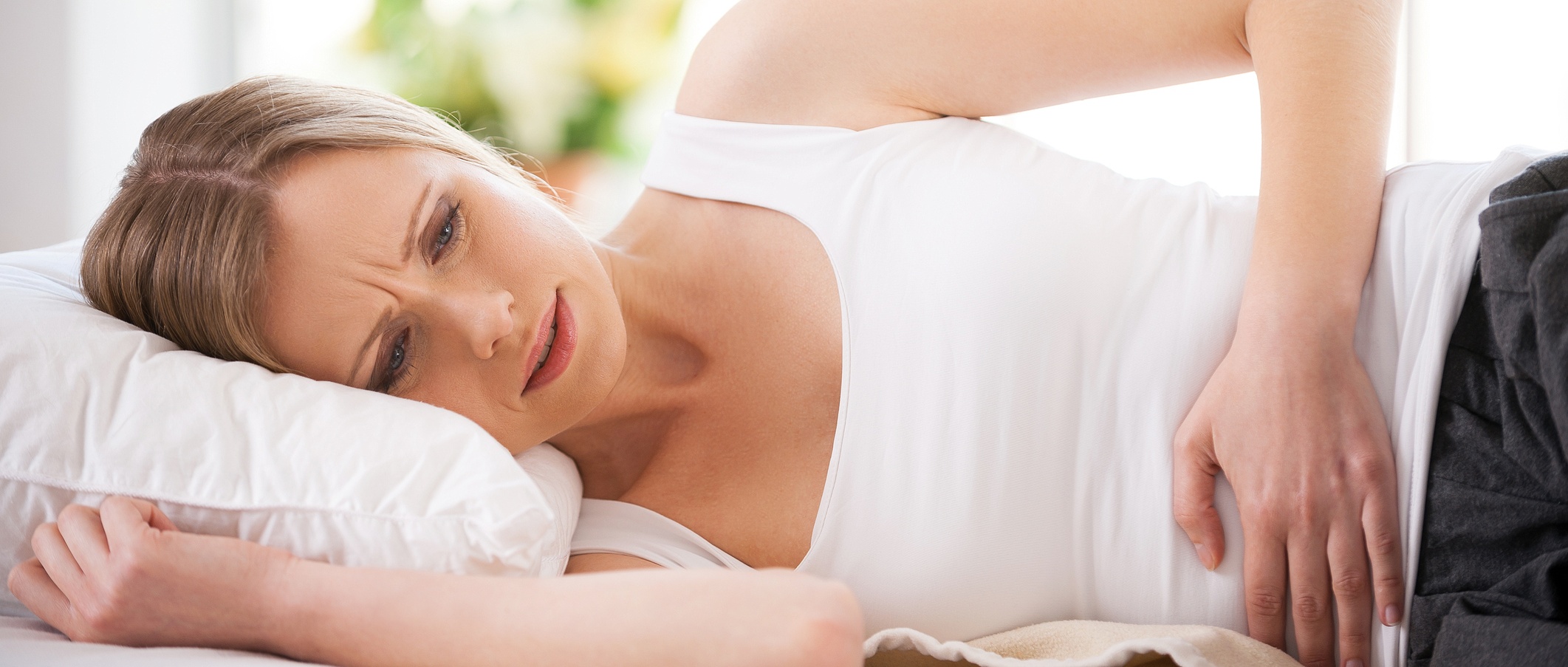
The simple answer is yes! Although gallstones are often seen as a condition that only affects those who are 'fair, fat and 40' the reality is you can get them at any time.
Thomas H. Lewis, an American surgeon, wrote for Brattleboro Memorial hospital saying ‘Patients showing symptoms of gallbladder disease are younger than they ever were before. Gallstones can appear in a person of any age, but the average age when they became a problem used to be when a person reached his or her forties, fifties or sixties. Now, patients with symptomatic gallstones tend to be in their thirties or forties. I’ve even had to remove gallbladders from teenagers. Something is going on.’
I should know, it happened to me
When I was at university I was diagnosed with gallstones, luckily for me my diagnosis was prompt. Unfortunately, though, people showing symptoms of gallstones but without matching the ‘fair, fat and 40’ stereotype are often misdiagnosed.
Georgia was in her early 20’s when she first started getting symptoms...
"I had been suffering with terrible stomach pains that occurred every couple of weeks or so as a very painful attack. I had visited my doctor’s surgery on several occasions, and they felt that the symptoms, along with my age and weight (being under 30 and fairly slim) indicated that I probably had a stomach ulcer. After six months of stomach ulcer treatment, I was finally given an ultrasound scan, and it was confirmed that gallstones had been causing me such problems."
Risk factor – being a woman
What doesn’t seem to be highlighted to the public is that women are at a significantly higher risk of developing this condition. A study found that women across the globe are twice as likely to develop gallstones as men. This is because gallstones are usually formed from cholesterol in bile (the fluid made by the liver and stored in the gall bladder). The female hormone oestrogen has been found to increase the amount of cholesterol in bile. Higher levels of cholesterol also potentially reduce the movement of the gallbladder, another reason for the formation of gallstones.
During fertile years, women have higher levels of oestrogen, particularly during pregnancy and when taking an oestrogen based contraceptive. Girls are also more likely to skip breakfast, which has been found to encourage gallstone formation.
I took an oestrogen based contraceptive pill for 7 years prior to my diagnosis but was never warned of gallstones as a potential side effect and (to be honest) even if I had, I probably wouldn’t have thought much of it.
The awareness of the risk factors and symptoms for gallstones needs to be better, particularly for women who have the ability to mitigate those risks.
What can young people do to reduce risk of developing gallstones?
Eat regularly
When trying to lose weight, people often skip meals and or cut down on their fat intake. This reduces the use and therefore movement of the gall bladder and this in turn increases the chance of stones developing.
For example, a study found that girls with gallstones were more likely to skip breakfast, creating a longer fasting period between the evening meal and their next meal the following day.
Maintain a healthy weight and if trying to lose weight, do it slowly
Although being a healthy weight reduces your risk of developing gallstones, rapid weight loss can increase the risk.
When weight is lost, fat cells reduce in size and hormones (including cholesterol) are released from them. Sudden weight loss also triggers the liver to create more cholesterol, and all these factors can lead to a build-up and development of stones.
Eat a balanced diet
In the UK we tend not to consume the recommended 18g of fibre per day, and low fibre intake along with a high intake of fat and refined carbohydrates have been found to increase your risk. Make sure you opt for plenty of wholegrains and avoid high fat, over processed foods.
Check your family history before choosing a oestrogen based contraceptive pill
There is evidence to show that genetics play a big part in your likelihood of developing gall stones. If you find that gall stones run in your family it may be worth looking at another method of contraception than the contraceptive pill.
Patient picks for Liver and gallbladder
Digestive health
What's autoimmune hepatitis and how does it differ from other forms?
You may have heard of hepatitis, but did you know that this liver condition can be both contagious and non-contagious? There are several causes of hepatitis, and different causes correspond to different types of the disease. Autoimmune hepatitis is an uncommon cause that may lead to serious complications.
by Amberley Davis
Digestive health
What's the difference between hepatitis A, B, and C?
You've probably heard of hepatitis, but do you know the difference between hepatitis A, B, and C? They are all caused by different viruses and, while they have similarities - especially in their symptoms - treatments and preventative measures differ.
by Emily Jane Bashforth
About the authorView full bio
Authored by

Rose Constantine Smith, ANutr
Nutritionist
BSc (Hons), ANutr
Rose has authored for several publications including The Healthy Food Guide and is a Nutrition and Wellbeing Manager for The Good Eating Co.
About the reviewerView full bio
Rose Constantine Smith, ANutr
Nutritionist
BSc (Hons), ANutr
Rose has authored for several publications including The Healthy Food Guide and is a Nutrition and Wellbeing Manager for The Good Eating Co.
Article history
Article also available in English, German, Spanish, French, Italian, Portuguese, Hindi, Hebrew, Arabic, and Swedish.
9 Oct 2017 | Originally published
Authored by:
Rose Constantine Smith, ANutrPeer reviewed by
Rose Constantine Smith, ANutr
Join the conversation
Share your thoughts or experiences with others in our patient communities.

Ask, share, connect.
Browse discussions, ask questions, and share experiences across hundreds of health topics.

Feeling unwell?
Assess your symptoms online for free
Sign up to the Patient newsletter
Your weekly dose of clear, trustworthy health advice - written to help you feel informed, confident and in control.
By subscribing you accept our Privacy Policy. You can unsubscribe at any time. We never sell your data.