Who should take the HIV prevention drug PrEP?
Peer reviewed by Dr Krishna Vakharia, MRCGPAuthored by Lydia SmithOriginally published 13 Jan 2023
Meets Patient’s editorial guidelines
- DownloadDownload
- Share
- Language
- Discussion
- Audio Version
- Add to preferred sources on Google
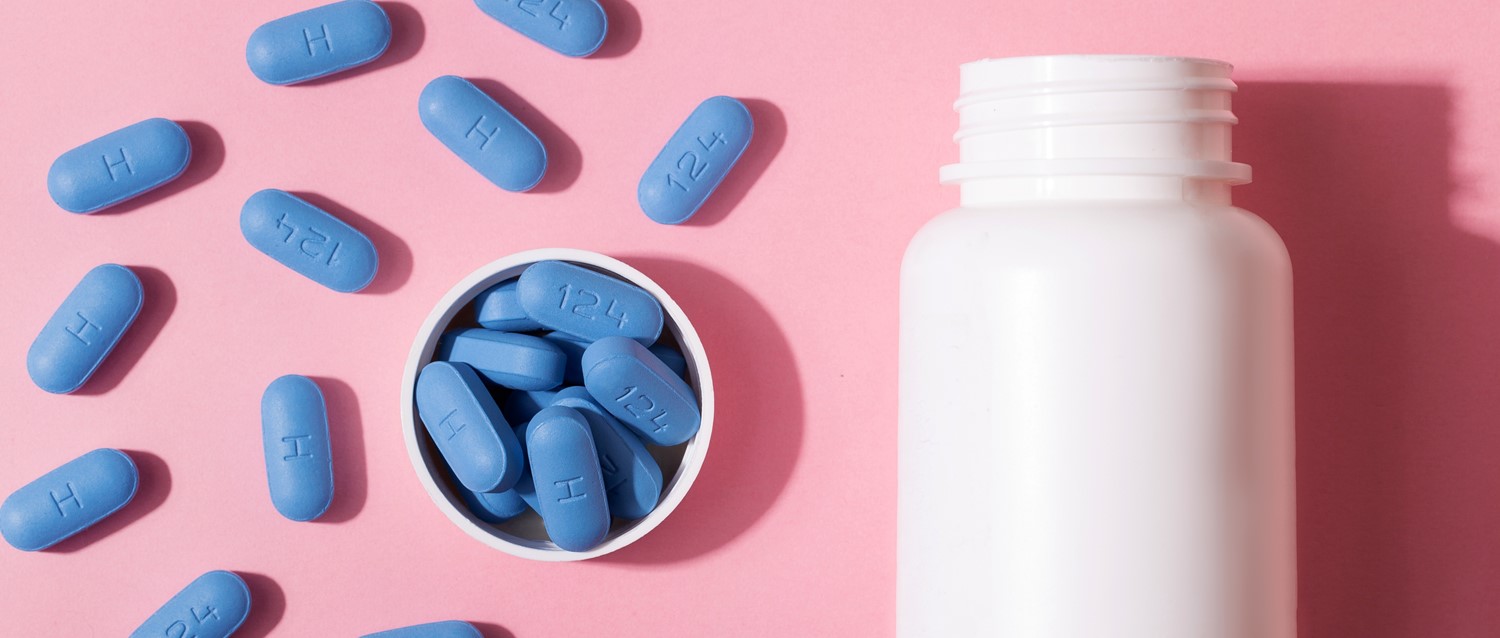
Pre-exposure prophylaxis (PrEP) is a medication to prevent the development of HIV. It's meant for people who don't have HIV, but have a high chance of developing the condition. But what is it, how does it work and who should have access to it?
What is PrEP and how does it prevent HIV?
PrEP is a medication that prevents HIV transmission. When taken as prescribed - usually a pill taken daily - it’s almost 100% effective. It works by helping the body to produce antibodies which prevent HIV from replicating inside the body. Essentially, the drug stops the virus from crossing into the healthy cells and reproducing.
While it's possible to take so-called 'events-based PrEP' - when you take it as and when needed - daily dosing is generally considered more reliable.
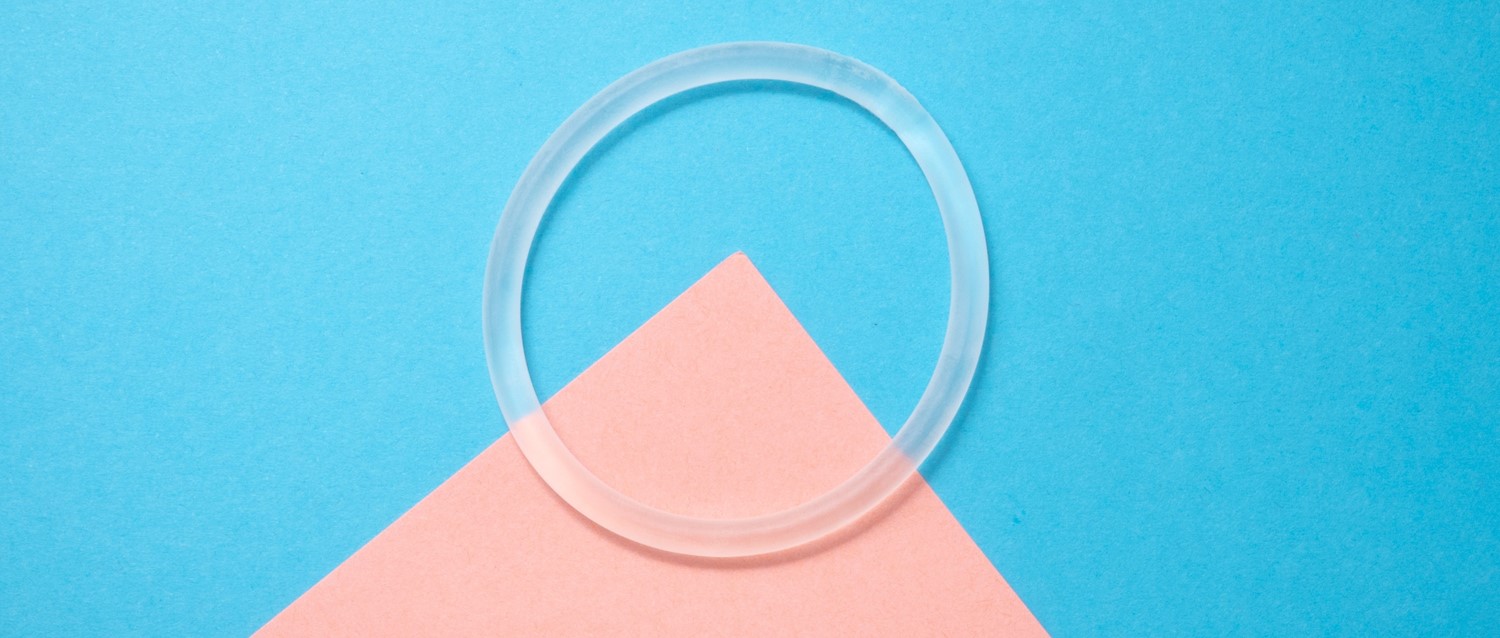
Different PrEP delivery methods such as injectables and implants are also being researched. In 2021, the World Health Organisation recommended a new option called the vaginal ring for women at substantial risk of HIV acquisition1.
Who should take PrEP?
Adam Freedman, senior policy and campaigns officer at the National AIDS Trust, says anyone who feels at risk of getting HIV could consider taking PrEP. It may be suitable for you if you are HIV negative or have sex in a variety of situations where condoms are not easily or always used.
"That said, there are higher rates of HIV among certain demographics, including gay and bisexual and other men who have sex with men, migrants, Black Africans, Black Caribbeans, and transgender people," he says. "Uptake of PrEP has been higher among white gay and bisexual men, which has led to a corresponding drop in new diagnoses," Freedman adds.
"However, uptake has been much lower among other groups. That’s why it’s so important to make PrEP more accessible for everyone who needs it."
Evidence from the UK PROUD study reported that PrEP reduced the risk of HIV infection by 86% for men who have sex with men2. In 2021, however, NICE recommended promoting PrEP to several higher-risk groups, including HIV negative men who have condomless sex with other men and HIV-negative heterosexual men and women having condomless sex with partners who are HIV positive. It also suggested promoting PrEP among HIV-negative trans women at elevated risk of developing HIV through condomless sex3.
How to access PrEP
PrEP is available for free from sexual health clinics in England, Scotland, Wales and Northern Ireland.
"PrEP is available on the NHS, meaning everyone has the right to access it. If you want to start taking it, your first port of call should be your local sexual health clinic," says Freedman. "Lots of people choose to buy PrEP on the internet, which, while legal and typically safe, can be expensive. As we see it, no one should be forced to pay over-the-odds for a treatment which they’re legally entitled to receive from the NHS."
Why are people having problems accessing PrEP?
The UK Government pledged to end new cases of HIV infection by 2030, by scaling up HIV testing and increasing access to PrEP among at-risk communities. However, researchers have warned this ambition may be under threat because access to PrEP in England is far lower than it should be.
Of 1,120 people who tried to get an appointment to get PrEP between October 2021 and July 2022, around two-thirds (68%) encountered problems. More than one third (35%) waited 12 weeks to be seen, and 57% waited more than 12 weeks4. Long waiting times, lack of appointments, and a training shortfall are all part of the problem, made worse by the COVID-19 pandemic and funding cuts5.
If you need PrEP or would like more information about it, it’s important to go to your sexual health clinic without delay.
Further reading
2. UK Proud study: Examining the impact on gay men of Pre-exposure Prophylaxis.
3. NICE: NICE recommends offering PrEP to people at high risk of HIV for first time.
4. BMJ: HIV: Two in three people have trouble getting PrEP, finds survey.
Patient picks for HIV and AIDS
Sexual health
Scientists identify a mechanism to 'neutralise' HIV
A multinational team of experts may have accidentally identified a mechanism to neutralise the HIV virus.
by Ashwin Bhandari
Sexual health
Women's HIV prevention: the importance of the vaginal ring
In Women's HIV prevention techniques are essential in the fight against HIV. In sub-Saharan Africa where the HIV infection rate is highest, woman and girls accounted for 63% of all new HIV infections in 2021. The Dapivirine vaginal ring is an HIV prevention method that is woman-controlled and long-acting.
by Amberley Davis
About the authorView full bio
Authored by

Lydia Smith
Feature writer
BA, MA, MSc
Lydia Smith is an award-winning journalist and feature writer who has written extensively on women's health and mental health. She is currently studying for an MSc in psychology.
About the reviewerView full bio

Dr Krishna Vakharia, MRCGP
Chief Medical Officer for Health, Optum UK
MBChB, MRCGP(2013), BMedSci (hons), DFSRH, DRCOG, PGDipDerm (Distn)
Dr Krishna Vakharia is an NHS GP. She is also a regular examiner for the postgraduate Diploma in Practical Dermatology at Cardiff University as well as being the Chief Medical Officer for health at Optum UK.
Article history
Article also available in English, German, Spanish, French, Italian, Portuguese, Hindi, Hebrew, Arabic, and Swedish.
13 Jan 2023 | Originally published
Authored by:
Lydia SmithPeer reviewed by
Dr Krishna Vakharia, MRCGP
Join the conversation
Share your thoughts or experiences with others in our patient communities.

Ask, share, connect.
Browse discussions, ask questions, and share experiences across hundreds of health topics.

Feeling unwell?
Assess your symptoms online for free
Sign up to the Patient newsletter
Your weekly dose of clear, trustworthy health advice - written to help you feel informed, confident and in control.
By subscribing you accept our Privacy Policy. You can unsubscribe at any time. We never sell your data.