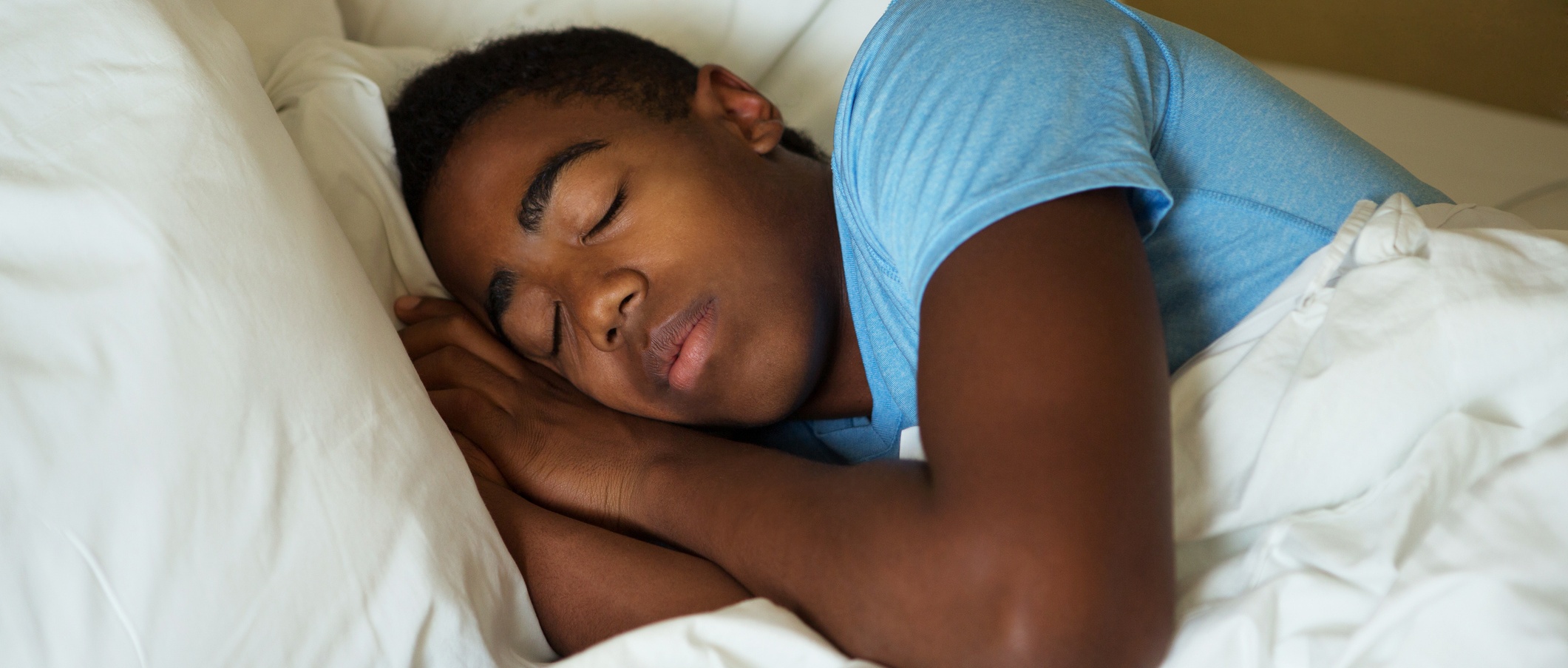
Do teenagers really need more sleep?
Peer reviewed by Dr Colin Tidy, MRCGPAuthored by Dr Colin Tidy, MRCGPOriginally published 29 Sept 2017
Meets Patient’s editorial guidelines
- DownloadDownload
- Share
- Language
- Discussion
- Audio Version
- Add to preferred sources on Google
As they go through their teenage years, teens have increasing responsibilities at school and at home, their social lives are expanding, they become more independent and they’re busy making plans and working hard for their future. It is also a time of enormous personal physical, emotional and intellectual development.
Why is sleep important for teens?
All teenagers tend to have different sleep patterns compared with adults. Their sleep patterns shift toward later times for both getting to sleep and waking up each morning. Teens usually need between 8 and 10 hours of sleep each night to avoid becoming tired, irritable and unable to function normally with their daily activities.
The reason for an increased sleep need is probably at least in part due to the hormonal changes that occur during the teenage years and how these affect the body clock. There is no evidence that there is any difference between boys and girls in terms of the amount of sleep that is needed.
Insufficient sleep in teens can cause many difficulties during the daytime, including poor behaviour, poor concentration and poor academic performance. Poor concentration and tiredness increase the risk of accidents, one of the reasons older teens are at a much higher risk of an accident when driving.
Do teens get enough sleep?
For many teens the answer is no.
This is mainly due to commitments with family and friends as well as school, social and leisure activities. However, the lifestyle of most teens doesn’t help either. There is an increasing and seemingly constant use of electronic games and social media. Teens often stay up late and then try to catch up with sleep by not getting up until very late during the weekends.
But sleeping late on weekends only increases the problem with their natural biological clock, and makes it more difficult for them to fall asleep at a reasonable hour during the week. This causes a vicious cycle, with difficulty staying fully awake and alert during the day and getting more and more tired as the week goes on.
By the weekend they’ve completely run out of gas and don’t feel able to get out of bed until very late in the morning or even later.
So what can be done to improve sleep?
There’s no point alienating teens by moaning all the time but it’s essential to create some rules and make some small changes to help teens get enough sleep.
One of the most important ways a parent can help is to understand why sleep is so important, to set a good example and to work with the teenager to help them develop a more consistent schedule throughout the week and weekend - while still respecting the changes they’re going through and the more erratic social life of a teen.
It’s important to set an agreed time for going to bed and getting up during the week. At weekends it’s OK for a teen to sleep in for a short while but it should be for no more than one hour so that it doesn’t disturb the body clock and make life even harder with sleep patterns during the week.
Teenage sleep problems can be caused by drinking alcohol or using some recreational drugs such as amfetamines. It's really important to keep this in mind if a teen is having problems with sleep.
Learning to switch off
Excessive use of electronic gadgets and social media late in the evening can disrupt the sleep pattern so these should be avoided, certainly after an agreed time each evening. Interactive technology, such as computer games and social media, is likely to interfere with sleep and lead to unrefreshing sleep. There needs to be a cut-off time when the bedroom becomes free of technology and the only priority is to get a good night’s sleep.
There are many tips to help with sleep that are relevant to all of us, including teens. Reading can have a calming effect and help getting off to sleep. Simple measures like using essential oils, such as lavender, on their pillow can help relaxation and therefore make it easier to get to sleep.
Late-night school work and study should also be avoided because this can also affect the natural sleep cycle, and so cause tiredness and interfere with school performance the following day.
Other tips to help with sleep include keeping the bedroom temperature cool and not too hot, avoiding physical exercise in the few hours before bedtime and having a warm shower or bath one or two hours before bedtime.
So yes it is true that teens need more sleep but they also need a lot of advice and support with their sleep patterns. It might seem boring at first but they should soon see the benefits of a better sleep pattern when they feel less irritable and more awake each day.
Patient picks for Sleep and insomnia

Healthy living
Insomnia linked to increased risk of heart disease and stroke
People who struggle to get a good night's rest may be at greater risk of developing cardiovascular problems, according to new research.
by Ashwin Bhandari
Healthy living
Gene discovery may explain why some people cope on little sleep
A gene which is linked to feeling fully rested after just a few hours of sleep has been identified by researchers.
by Ashwin Bhandari
About the authorView full bio
Authored by

Dr Colin Tidy, MRCGP
General Practitioner, Medical Author
MBBS, MRCGP, MRCP (Paediatrics), DCH
Dr Colin Tidy is an NHS Doctor, based in Oxfordshire.
About the reviewerView full bio
Dr Colin Tidy, MRCGP
General Practitioner, Medical Author
MBBS, MRCGP, MRCP (Paediatrics), DCH
Dr Colin Tidy is an NHS Doctor, based in Oxfordshire.
Article history
Article also available in English, German, Spanish, French, Italian, Portuguese, Hindi, Hebrew, Arabic, and Swedish.
29 Sept 2017 | Originally published
Authored by:
Dr Colin Tidy, MRCGPPeer reviewed by
Dr Colin Tidy, MRCGP
Join the conversation
Share your thoughts or experiences with others in our patient communities.

Ask, share, connect.
Browse discussions, ask questions, and share experiences across hundreds of health topics.

Feeling unwell?
Assess your symptoms online for free
Sign up to the Patient newsletter
Your weekly dose of clear, trustworthy health advice - written to help you feel informed, confident and in control.
By subscribing you accept our Privacy Policy. You can unsubscribe at any time. We never sell your data.