Bruxism and stress - how anxiety can affect your teeth
Peer reviewed by Dr Colin Tidy, MRCGPAuthored by Victoria RawOriginally published 1 Oct 2026
Meets Patient’s editorial guidelines
- DownloadDownload
- Share
- Language
- Discussion
- Audio Version
- Add to preferred sources on Google
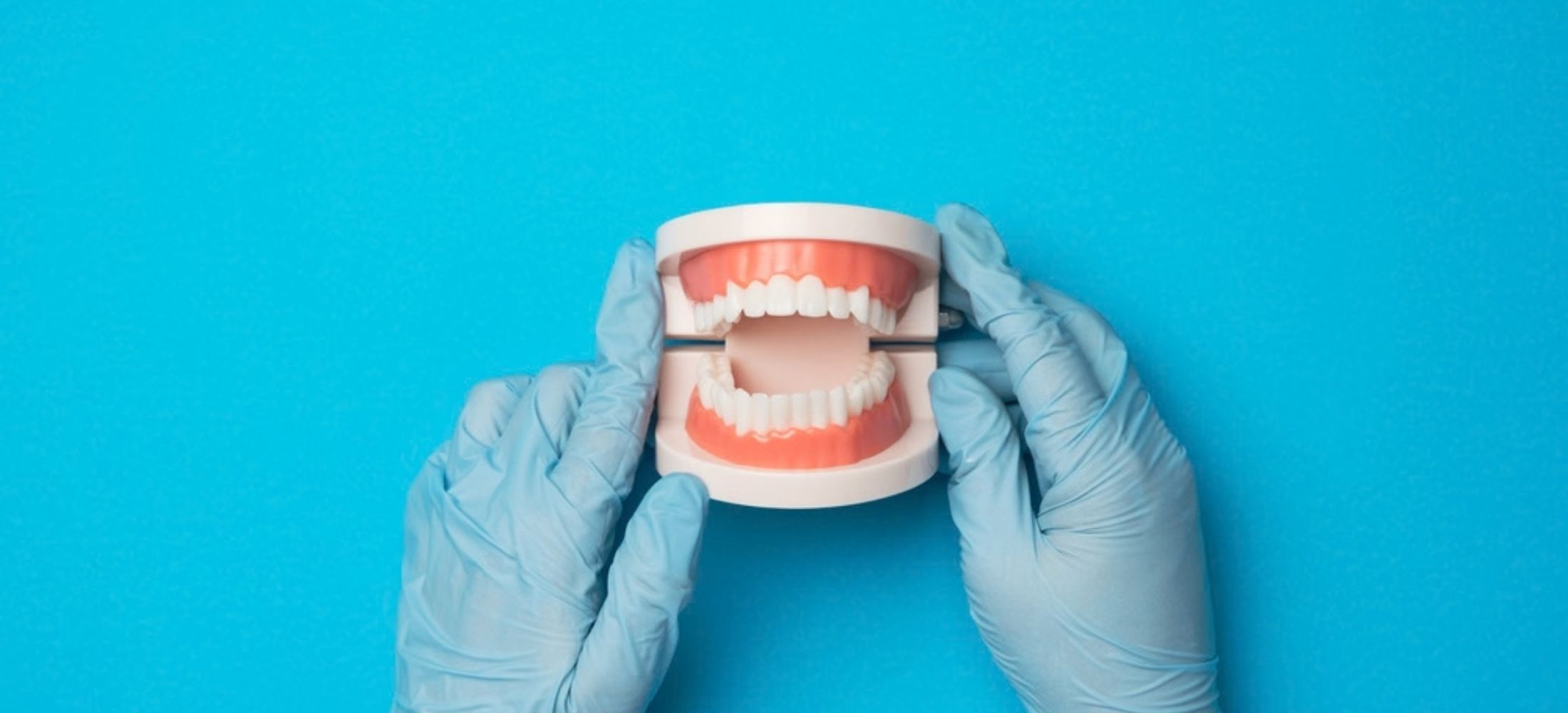
Bruxism is a repetitive behaviour where a person grinds or clenches their teeth, often without realising they’re doing it. Over time, it can take a toll on your teeth and body - particularly your jaw - and may lead to longer-term health issues.
We asked an expert at Bupa Dental Care to explain what causes bruxism, the signs to look out for, and what you can do to help prevent it.
What is bruxism?
Bruxism is a common condition that affects more people than you might think. In fact, millions experience it.
Simply put, bruxism is the act of grinding or clenching your teeth. While it might seem like something we all do from time to time, persistent teeth grinding can cause significant damage to your teeth, jaw, and overall health.
According to Dr Anni Seaborne, Head of General Dentistry at Bupa Dental Care, UK, bruxism often happens unconsciously, with many people grinding or clenching their teeth while they sleep.
“It can affect anyone,” she says. “Because it tends to happen subconsciously, you may only become aware of it when symptoms start to show.”
Dr Anni Seaborne

What causes bruxism?
When it comes to understanding the causes of long-term teeth grinding, there’s one factor that’s particularly important to consider - stress and anxiety. Both can contribute to bruxism, which may be a physical response to the pressures we experience in everyday life, and is increasingly recognised as a common issue in today’s society.
Seaborne explains that several other factors may also play a role in the development of bruxism.
These include:
Certain medications.
Sleep disorders.
Neurological conditions - such as Parkinson’s disease.
She notes that there is some evidence to suggest bruxism may run in families. However, further research is needed to establish whether there is a clear genetic link.
Seaborne emphasises that stress and anxiety are among the most significant contributors to teeth grinding.
“While stress affects everyone differently, it can sometimes manifest physically through habits - such as clenching or grinding your teeth, particularly during sleep,” she says. “Many people may not realise they’re doing it until symptoms such as jaw pain, headaches, or tooth wear start to appear.
“Even those who seem calm and collected on the outside might be more likely to grind their teeth. The thinking is that when stress isn’t shown outwardly, it can sometimes find another way to surface, such as through physical habits like bruxism.”
Signs and symptoms of bruxism
Bruxism is becoming increasingly common, with a noticeable rise in cases during the pandemic. This may have been linked to the additional stress and anxiety many people experienced during this time.
With this in mind, Seaborne highlights the importance of recognising the signs of teeth grinding - not only to identify the condition, but to seek professional advice to manage it and prevent further issues.
“Bruxism can cause wear and tear on your teeth, sometimes on the biting surfaces, or near the gum line, where tiny fragments of enamel can break off,” she warns. “These are called abfraction cavities and may look like small notches or ledges.”
Seaborne adds that other signs of bruxism can present as:
Waking up with a sore jaw or headache.
Feeling tension in your face.
Having a partner mention hearing grinding sounds during the night.
“Dentists and hygienists often spot the signs during routine check-ups,” she says. “If left untreated, bruxism can lead to issues with your jaw joint - known as temporomandibular joint disorders (TMD) - which can cause discomfort in your jaw and surrounding muscles.”
How to treat bruxism
If you recognise the signs of bruxism, several self-help strategies can help break this harmful habit.
Securing a professional diagnosis is essential - particularly if the root cause is stress or anxiety. However, Seaborne offers practical advice to ease discomfort in the meantime.
“If stress is involved, practices such as mindfulness, gentle exercise, or relaxation techniques can make a real difference,” she suggests.
“Your primary grinding muscles - the masseter and temporalis - are connected to your neck and shoulders, so tension there often worsens jaw pain. Easing neck and back tightness through therapies such as physiotherapy or acupuncture can help relieve symptoms.”
Seaborne also notes that dentists can fit custom mouthguards, or occlusal splints, to protect your teeth and lessen joint strain. While they don’t always stop grinding entirely, they prevent tooth damage and significantly ease discomfort.
“For people who struggle with mouthguards or have more severe symptoms, Botox is sometimes used alongside mouthguards to help relax your jaw muscles,” she adds. “It works by blocking the signals that cause clenching, without affecting normal chewing. The effects usually last around 12 weeks, and over time, your muscles may become less active, reducing the need for ongoing treatment.”
If your bruxism is linked to anxiety or stress, it’s a good idea to speak to your dentist or doctor. They can help identify what might be causing it and suggest the right support - such as therapy, stress management, or medication if needed.
Patient picks for Dental care

Mental health
8 stress-relieving tips to try every day
Whether it's the pressure of work, family life, or a looming deadline, most of us have stress from time to time. There are lots of ways to reduce stress. So, if you're feeling the strain, try some of these simple stress-busters.
by Lynn Stephen

Mental health
Work, rest, repeat: How to break the burnout cycle
Feeling tired after a long day isn’t usually a cause for concern - especially if you take time to recover. But what happens when long hours and little rest start to add up? We spoke to a GP to explain the health hazards of overworking and share tips to prevent burnout and illness.
by Victoria Raw
About the authorView full bio
Authored by

Victoria Raw
Feature Writer
BA (Hons), English Literature
Victoria is a content writer at Patient, with special interests spanning mental wellbeing, societal trends and the impact of technology on our health.
About the reviewerView full bio

Dr Colin Tidy, MRCGP
General Practitioner, Medical Author
MBBS, MRCGP, MRCP (Paediatrics), DCH
Dr Colin Tidy is an NHS Doctor, based in Oxfordshire.
Article history
Article also available in English, German, Spanish, French, Italian, Portuguese, Hindi, Hebrew, Arabic, and Swedish.
Next review due: 1 Oct 2029
1 Oct 2026 | Originally published
Authored by:
Victoria RawPeer reviewed by
Dr Colin Tidy, MRCGP
Join the conversation
Share your thoughts or experiences with others in our patient communities.

Ask, share, connect.
Browse discussions, ask questions, and share experiences across hundreds of health topics.

Feeling unwell?
Assess your symptoms online for free
Sign up to the Patient newsletter
Your weekly dose of clear, trustworthy health advice - written to help you feel informed, confident and in control.
By subscribing you accept our Privacy Policy. You can unsubscribe at any time. We never sell your data.