Famotidine to reduce stomach acid
Peer reviewed by Sid DajaniLast updated by Michael Stewart, MRPharmSLast updated 16 May 2024
Meets Patient’s editorial guidelines
- DownloadDownload
- Share
- Language
- Discussion
- Ask Patient
- Audio Version
- Add to preferred sources on Google
Famotidine reduces the amount of acid produced by your stomach.
Any side-effects are usually mild and do not last long.
Explore treatment options for acid reflux
Get expert healthcare advice from the comfort of home. Complete a quick online consultation, available 24/7, with your request reviewed by a UK-registered clinician. Next day delivery available on eligible treatments.

About famotidine
Type of medicine | H2-receptor antagonist |
Used for | Treatment of conditions caused by too much acid being produced in the stomach |
Available as | Tablets |
Famotidine belongs to a group of medicines that reduce the amount of acid produced by the cells in the lining of the stomach. They are called 'histamine H2-receptor antagonists', but are commonly also called H2 blockers.
Famotidine can be helpful in the treatment of conditions caused by too much acid being produced in the stomach. These conditions include stomach ulcers (gastric ulcers), ulcers of the upper part of the intestine (duodenal ulcers), acid reflux or heartburn (gastro-oesophageal reflux disease). Although famotidine can be helpful in the treatment of these conditions, in practice other medicines are usually tried first.
Acid is produced naturally in your stomach to help to digest food. Excessive amounts of acid can irritate the lining of your stomach, causing inflammation, ulcers and other conditions. Famotidine works by reducing the amount of acid produced by your stomach. This helps to relieve symptoms and assist the healing process where damage has already occurred.
Before taking famotidine
To make sure this is the right treatment for you, before you start taking famotidine it is important that your doctor or pharmacist knows:
If you are pregnant or breastfeeding.
If you have any of the following symptoms: difficulty swallowing, loss of blood, weight loss, or if you are being sick.
If you have any problems with the way your kidneys work.
If you have ever had an allergic reaction to a medicine.
If you are taking any other medicines. This includes any medicines you are taking which are available to buy without a prescription, as well as herbal and complementary medicines.
How to take famotidine?
Before you start this treatment, read the manufacturer's printed information leaflet from inside the pack. It will give you more information about famotidine and will provide you with a full list of the side-effects which you may experience from taking it.
Take famotidine exactly as your doctor tells you to. There are two different strengths of tablet available - 20 mg and 40 mg. You may be prescribed famotidine to take twice a day, in the morning and evening, or just once daily in the evening. Your doctor will tell you what dose is right for you and the directions will be on the label of the pack to remind you about what was said to you.
You can take famotidine tablets before or after meals.
If you forget to take a dose at your usual time, you can generally take it when you remember. However, if it is nearly time to take your next dose when you remember, skip the missed dose and take your next dose when it is due. Do not take two doses together to make up for a forgotten dose.
Getting the most from your treatment
A course of treatment can vary in length depending upon the reason why you are taking famotidine. You could be asked to take the tablets for a few weeks or for several months. Keep any appointments that you have booked with your doctor so that your progress can be checked.
Some people say that certain foods make their symptoms worse. Foods and drinks that have been suspected of this include peppermint, tomatoes, chocolate, spicy foods, hot drinks, coffee and alcoholic drinks. If it seems that a food is aggravating your symptoms, try avoiding it for a while to see if your symptoms improve. Also, try avoiding eating large meals, as these can make your symptoms worse too.
If you are overweight, this puts extra pressure on your stomach and encourages the symptoms of acid reflux. Losing some weight and eating a healthy balanced diet may help you.
Smoking increases the amount of stomach acid and may make your symptoms worse. If you are a smoker, speak with your doctor or pharmacist about how to quit.
If you buy any medicines 'over the counter', always check with a pharmacist that they are safe to take alongside your other medicines.
Can famotidine cause problems?
Along with their useful effects, most medicines can cause unwanted side-effects although not everyone experiences them. The table below contains some of the ones associated with famotidine, although these are generally mild and do not last long. You will find a full list in the manufacturer's information leaflet supplied with your medicine. The unwanted effects often improve as your body adjusts to the new medicine, but speak with your doctor or pharmacist if any of the following continue or become troublesome.
Famotidine side-effects | What can I do if I experience this? |
Diarrhoea or constipation | Drink plenty of water |
Headache | Drink plenty of water and ask your pharmacist to recommend a suitable painkiller. If the headaches continue, let your doctor know |
Dizziness | If troublesome, speak with your doctor |
If you experience any other symptoms which you think may be due to famotidine, speak with your doctor or pharmacist for further advice.
How to store famotidine?
Keep all medicines out of the reach and sight of children.
Store in a cool, dry place, away from direct heat and light.
Important information about all medicines
Important information about all medicines
Never take more than the prescribed dose. If you suspect that you or someone else might have taken an overdose of this medicine, go to the accident and emergency department of your local hospital. Take the container with you, even if it is empty.
This medicine is for you. Never give it to other people even if their condition appears to be the same as yours.
If you are having an operation or any dental treatment, tell the person carrying out the treatment which medicines you are taking.
Do not keep out-of-date or unwanted medicines. Take them to your local pharmacy which will dispose of them for you.
If you have any questions about this medicine ask your pharmacist.
Report side effects to a medicine or vaccine
If you experience side effects, you can report them online through the Yellow Card website.
Patient picks for Gastrointestinal treatment

Digestive health
Stomach ulcer
Stomach ulcers (also called gastric ulcers) are breaks in the lining of the stomach that develop due to damage. They can cause a burning or gnawing pain in the top and middle of the abdomen. Treatments include acid-suppressing medication and avoiding trigger foods.
by Dr Philippa Vincent, MRCGP

Diet and nutrition
The Reducetarian diet - how to eat less meat
If you're considering cutting back on meat - whether for health, environmental, or ethical reasons - the reducetarian approach is a good way to get started. It encourages gradual, sustainable reductions in animal product consumption, allowing you to make meaningful changes at your own pace. We spoke with Olympic cycling medallist and former world record holder Switch4Good founder Dotsie Bausch about her personal journey with eating less meat, and her practical tips for reducing your own intake.
by Victoria Raw
Digestive health
Acid reflux diet: foods to eat and avoid
If you have a burning pain in your chest or travelling up your throat after eating, you're probably experiencing acid reflux - a feeling more commonly described as heartburn. Some foods are more likely to trigger this annoying and uncomfortable symptom. So, if it keeps revisiting you after meals, it may help to look at how you eat as well as what you eat.
by Lynn Stephen

Pregnancy
Common side-effects of pregnancy
Pregnancy presents the body with a number of challenges, many of which can produce symptoms and cause problems. Many side effects of pregnancy are not serious for mother or baby, although complaints like nausea, vomiting, acid reflux and constipation can be very unpleasant.
by Dr Toni Hazell, FRCGP

Cancer
8 tips to help reduce your cancer risk at any age
Cancer in people under 50 has been increasing since the 1990s - and has risen by 79% over the last thirty years. Changes in diet and other lifestyle factors are playing a big part in this rise. We explore the lifestyle habits thought to be most important in reducing your risk of cancer.
by Lawrence Higgins
Drug interactions checker
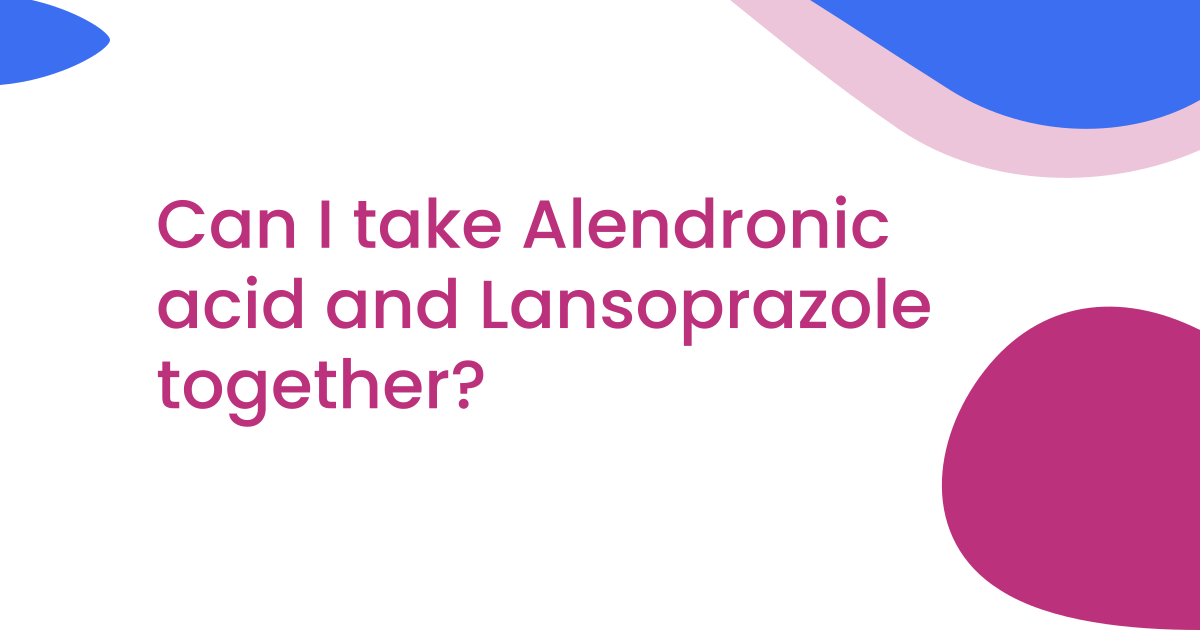
Can I take Alendronic acid and Lansoprazole together?
Taking lansoprazole may make alendronic acid less effective at strengthening your bones. There is also a slightly higher risk of developing certain types of bone fractures (such as hip or wrist fractures) when these two types of medicines are used together over a long period.
Frequently asked questions
What is famotidine and how does it work?
Famotidine is a type of medicine known as a 'histamine H2-receptor antagonist' or H2 blocker. It works by reducing the amount of acid produced by the cells lining your stomach. This helps to relieve symptoms and allows any existing damage, such as ulcers, to heal.
How long will I need to take famotidine?
The length of your treatment course with famotidine can vary. It depends on the specific reason your doctor has prescribed it. You might need to take the tablets for just a few weeks or potentially for several months. Your doctor will advise you on the expected duration of your treatment.
What should I do if I forget to take a dose of famotidine?
If you miss a dose of famotidine, you can usually take it as soon as you remember. However, if it's almost time for your next scheduled dose, it's best to skip the missed dose and just take your next dose at the correct time. Do not take two doses at once to compensate for a forgotten one.
Are there any lifestyle changes I can make to help my condition while taking famotidine?
Yes, there are several lifestyle adjustments that may help. Avoiding certain foods and drinks that seem to worsen your symptoms, such as peppermint, tomatoes, chocolate, spicy foods, hot drinks, coffee, and alcohol, can be beneficial. Eating smaller meals may also help. If you are overweight, losing weight can reduce pressure on your stomach and improve symptoms. If you smoke, stopping can also reduce stomach acid production.
Can I take famotidine if I am pregnant or breastfeeding?
If you are pregnant, planning to become pregnant, or breastfeeding, it's important to inform your doctor or pharmacist before starting famotidine. They will be able to advise you on whether this treatment is suitable for you.
Further reading and references
- Manufacturer's PIL, Famotidine 20 mg tablets; Tillomed Laboratories Ltd, The electronic Medicines Compendium. Dated August 2023.
- Medicines Complete BNF 89th Edition; British Medical Association and Royal Pharmaceutical Society of Great Britain, London.
About the authorView full bio
Updated by

Michael Stewart, MRPharmS
Medicine Leaflet Review Manager – Contractor, Pharmacist
BPharm (Hons), MRPharmS
Michael is a community pharmacist practicing in the Midlands and South Yorkshire with more than 20 years’ experience advising on medicines and medical conditions. He has a strong background in healthcare training, having produced and delivered training courses for pharmacy teams and staff of residential care settings, including nurses. He has also contributed to pharmacy advisory boards for the management of low acuity conditions in the community.
About the reviewer

Sid Dajani
Sultan Dajani qualified at the London School of Pharmacy in 1994 and became the youngest elected member of the Royal Pharmaceutical Society council since its founding in 1842.
Simple access to trusted treatments and health services online.
Common conditions
Get help with common conditions through the NHS, without a GP appointment.





Sign up to the Patient newsletter
Your weekly dose of clear, trustworthy health advice - written to help you feel informed, confident and in control.
By subscribing you accept our Privacy Policy. You can unsubscribe at any time. We never sell your data.
More in gastrointestinal treatment
- Budesonide rectal foam and enema
- Budesonide tablets, capsules and granules
- Diloxanide tablets
- Ispaghula husk for constipation
- Linaclotide capsules
- Mebeverine
- Mesalazine
- Metoclopramide
- Misoprostol tablets for stomach ulcers
- Nabilone capsules
- Nizatidine to reduce stomach acid
- Olsalazine for ulcerative colitis
- Pancreatin
- Psyllium husk for constipation
- Rabeprazole to reduce stomach acid
- Ranitidine to reduce stomach acid
- Rifaximin for liver problems
- Rifaximin for traveller's diarrhoea
- Ursodeoxycholic acid
- Ursodiol