Sticking to a plant-based diet lowers type 2 diabetes risk
Peer reviewed by Natalie HealeyAuthored by Ashwin BhandariOriginally published 23 Jul 2019
Meets Patient’s editorial guidelines
- DownloadDownload
- Share
- Language
- Discussion
- Audio Version
- Add to preferred sources on Google
People who follow a predominantly vegan diet may have a lower risk of developing type 2 diabetes.
Sign up for our free 10-week Diabetes course!
Each week, we'll explore a different topic to help you better understand and manage your diabetes, including everyday living and medicines, to mental wellbeing, the latest in diabetes tech, and nutrition.
By subscribing you accept our Privacy Policy. You can unsubscribe at any time. We never sell your data.
Recent research, published in JAMA Internal Medicine, suggests that plant-based diets may be beneficial in the prevention of type 2 diabetes.
Nutritional researchers from Harvard T.H. Chan School of Public Health analysed data from over 300,000 participants. They found those who stuck to a plant-based diet reduced the risk of developing type 2 diabetes by 23%.
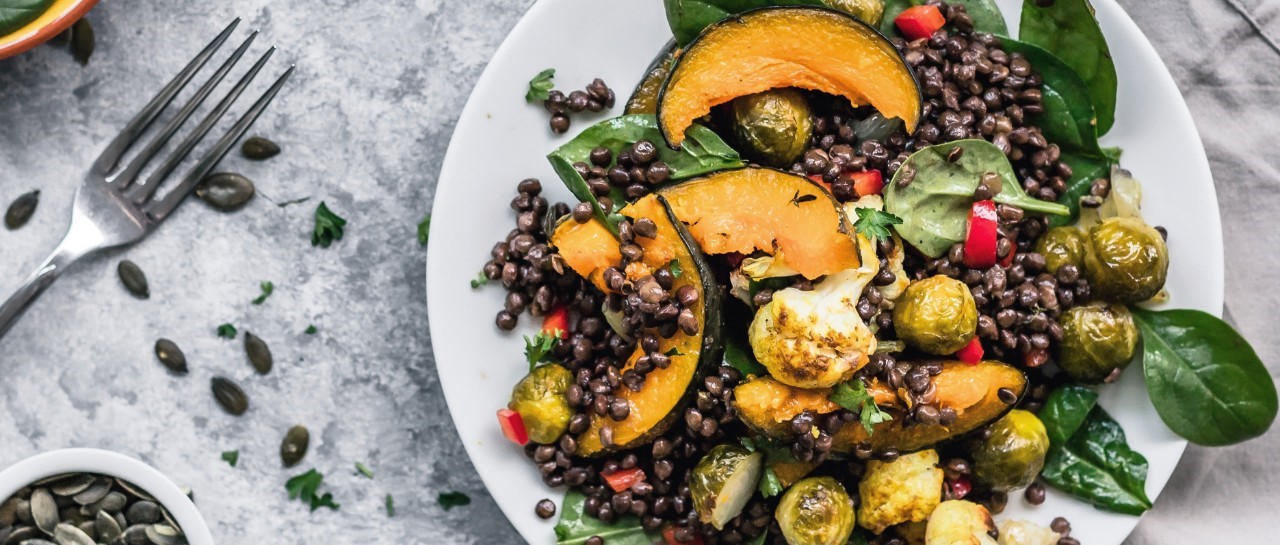
Of course, following a vegan diet doesn't mean it is inherently healthy. There are plenty of less nutritious vegetarian foods, such as fast food meat equivalents, which contain high levels of fat and sugar. The study showed that participants who ate a healthier version of the plant-based diet, which focused on fresh fruits, vegetables and whole grains, reduced their risk by a further 30%.
Dr Qi Sun, an associate professor in the Department of Nutrition and lead author of the paper, said: "Overall, these data highlighted the importance of adhering to plant-based diets to achieve or maintain good health, and people should choose fresh fruits and vegetables, whole grains, tofu, and other healthy plant foods as the cornerstone of such diets."
Not all experts agree with the findings, however. Tom Sanders, professor of nutrition and dietetics, King's College London, said: "Generally, vegetarians are lighter than meat-eaters and they eat more whole grains - both factors that would decrease the risk of developing diabetes. Paradoxically, the incidence of type 2 diabetes is high in South Asian vegetarians in the UK who follow their diet for religious reasons. It is uncertain why type 2 diabetes is so prevalent in South Asians and it may have its origins in early development. Consequently, the avoidance of meat does not necessarily reduce the risk of type 2 diabetes."
Dr Emily Burns, head of research communications at Diabetes UK, said: "More research is needed to fully understand how plant-based diets are beneficial in helping people minimise their risk of developing type 2 diabetes, and who is more likely to benefit from this approach."
Patient picks for Type 2 diabetes

Diabetes
Managing type 2 diabetes with exercise
Exercise helps lower blood sugar levels, improves insulin effectiveness, and supports achieving a healthy weight - all vital components for managing type 2 diabetes. Being regularly active also helps boost your mental wellbeing and energy levels. Read on to find out how to exercise safely and effectively with type 2 diabetes.
by Lawrence Higgins

Diabetes
Changing your dietary habits after a type 2 diabetes diagnosis
Managing your diet can make a huge difference if you have type 2 diabetes, but you might need to reverse some lifetime habits and cut some common meals. We've put together some suggestions around creating shopping lists and portion control, especially when eating out in restaurants.
by Rose Constantine Smith, ANutr
About the authorView full bio
Authored by

Ashwin Bhandari
Medical Writer
BA Journalism
About the reviewerView full bio

Natalie Healey
Freelance journalist
BSc (Hons) Biomedical Science
She is a London-based health journalist who has been writing about science and medicine for several years. She is the former head of editorial at Patient.
Article history
Article also available in English, German, Spanish, French, Italian, Portuguese, Hindi, Hebrew, Arabic, and Swedish.
23 Jul 2019 | Originally published
Authored by:
Ashwin BhandariPeer reviewed by
Natalie Healey
Join the conversation
Share your thoughts or experiences with others in our patient communities.

Ask, share, connect.
Browse discussions, ask questions, and share experiences across hundreds of health topics.

Feeling unwell?
Assess your symptoms online for free
Sign up to the Patient newsletter
Your weekly dose of clear, trustworthy health advice - written to help you feel informed, confident and in control.
By subscribing you accept our Privacy Policy. You can unsubscribe at any time. We never sell your data.