Flax seeds: a secret weapon for women's health?
Peer reviewed by Dr Colin Tidy, MRCGPLast updated 21 Sept 2026
Meets Patient’s editorial guidelines
- DownloadDownload
- Share
- Language
- Discussion
- Audio Version
- Add to preferred sources on Google
Flax seeds are praised for their diverse health advantages - from supporting heart health to regulating blood sugar. Packed with nutrients, they’re easy to add to meals, baked goods, and drinks. They're also gaining popularity in the world of women's health. But what exactly are these health benefits, and what do the experts say?
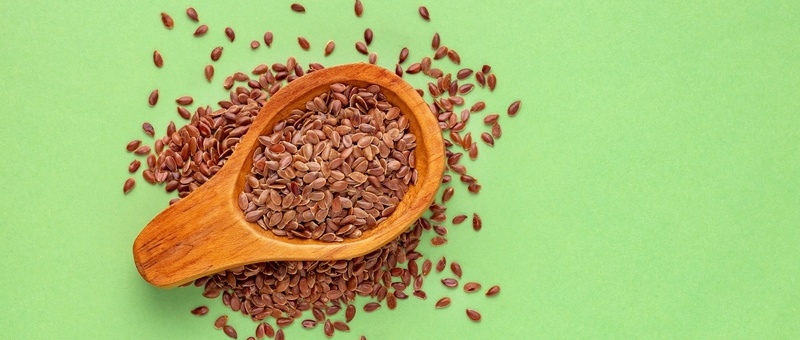
Flax seeds - also known as linseeds - are small, oval-shaped oil seeds that vary in colour, from a rich reddish-brown to a golden yellow. They can be eaten whole, ground, or consumed as flaxseed oil. Highly regarded for their nutritional value, these seeds are frequently recommended by health professionals for their wide array of health benefits.
Are flax seeds good for you?
Packed with essential nutrients, flax seeds may offer positive health effects when incorporated into your daily diet.
Dr Helen Messier, Chief Medical Officer at Biscope AI, is based in Orlando, Florida, USA. She says that flax seeds are a rich source of beneficial compounds.
These include:
Alpha-linolenic (ALA) - a plant-based omega-3.
Lignans - a type of plant-based compound (phytoestrogens), that share a similar chemical structure to oestrogen.
Fibre - soluble and insoluble.
Dr Brittany Busse, Co-Founder, President, and Chief Medical Officer of ViTelHealth, Sacramento, California, USA adds that flax seeds also contain micronutrients such as magnesium and B-vitamins.
Hormonal benefits of flax seeds for women
For menstruating women, the nutrients found in flax seeds may help support hormonal balance by influencing your oestrogen levels.
Busse explains that because lignans resemble oestrogen, they may help regulate your hormones.
"When oestrogen is too low it can stimulate your body to produce more," she says. "But when it's too high it can actually block the excess oestrogen from having a negative effect."
She adds that some evidence suggests flax seeds may:
Support fertility and healthy ovulation for women struggling to conceive.
Decrease symptoms of oestrogen depletion - such as hot flushes, night sweats, and vaginal dryness.
Dr Bill Kapp, Chief Executive Officer, Fountain Life, Florida, USA agrees that the nutrients in flax seeds can be especially beneficial for women during the midlife transition, supporting digestive health, both heart and gut function, and helping to reduce inflammation.
When it comes to whether flax seeds help with hormonal balance, he points out that the evidence isn't strong enough to confirm they have a major effect.
He says: "Lignans have weak oestrogen-like activity, and some researchers speculate that it may ease menopausal symptoms, but results are mixed."
Flax seeds for heart health, digestion and weight
Flax seeds are packed with nutrients that support various aspects of health - not just hormonal balance.
Messier explains that the fibre in flax seeds may help:
Reduce cholesterol.
Promote regular bowel movements.
Support anti-inflammatory processes.
Boost heart health.
"From a weight management perspective, flax promotes satiety and slows digestion," she says. "This helps reduce cravings and support insulin sensitivity. Emerging research suggests flax seeds may also support cognitive ageing and skin health due to their antioxidant content."
Busse adds that omega-3 balance is an important factor in lowering your chance of developing heart disease - which increases significantly in post-menopausal women due to decreased oestrogen levels.
She says: "The ALA in flax seeds has been shown to reduce plaque build-up (atherosclerotic disease), responsible for stroke and heart attacks, as well as lower inflammation in blood vessels and blood pressure."
Flax seeds for blood sugar control
Flax seeds are rich in soluble fibre, healthy fats, and protein - nutrients which may help to balance your blood sugar levels.
Trista Best, Registered Dietitian, The Candida Diet, Georgia, USA, explains that these components work together to support blood sugar regulation.
They do so in the following ways:
Soluble fibre - slows digestion for a more gradual release of sugar (glucose) into your bloodstream, helping to prevent spikes in blood sugar levels after meals.
Healthy fats - such as omega-3 fatty acids - promote insulin sensitvity, allowing cells to effectively use glucose for energy.
Protein - contributes to stable blood sugar levels by providing a steady source of energy.
"By incorporating flax seeds into your diet, you may experience improved glycaemic control, making it particularly beneficial if you have diabetes or insulin resistance," she says. "However, it's important to consult with a healthcare professional for personalised advice regarding blood sugar management."
Recommended flax seed intake
If you're thinking of adding flax seeds to your diet, it's important to follow the recommended daily intake guidelines.
Though they may be good for your health as part of a balanced diet, you should not consume more than 1-2 tablespoons a day.
Busse says ground flax is best for absorption, as whole flax often passes through your system undigested, offering little nutritional benefit.
Messier advises drinking plenty of water to help the fibre in flax seeds work most effectively.
Are flax seeds safe for everyone?
Flax seeds are generally considered safe and well-tolerated by the majority of people.
Kapp warns, however, that women with hormone-sensitive conditions or people on certain medicines should check with their doctor before making big changes to their diets.
Messier says that anyone taking blood thinners should be cautious, as flax seeds may have a mild blood-thinning effect that could interfere with medication.
She adds: "It may also interfere with absorption of certain medicines if taken at the same time."
Busse concludes by advising you to avoid eating too much fibre too fast.
"Many of our bodies aren't adapted to high levels of fibre," she explains. "This may cause gastrointestinal (GI) discomfort - such as bloating, gas, or diarrhoea."
Patient picks for Nutrition
Diet and nutrition
Tadpole water - what is it, and does it actually have any health benefits?
If you’ve heard of people trying ‘tadpole water’ online, don’t worry. Despite the name, anyone following this viral trend isn’t scooping up buckets of frogspawn and taking them home to drink. Tadpole water is actually less gross. The term refers to the practice of adding chia seeds to water and drinking the mixture for a range of supposed health benefits. But what are these benefits, and do they actually stack up? We take a closer look.
by Victoria Raw

Diet and nutrition
Are pumpkin seeds good for you?
Pumpkin seeds aren't just for Halloween. While they might remind you of carving autumn jack-o'-lanterns, many people enjoy them year-round for their health benefits. Let’s take a closer look at what pumpkin seeds have to offer and see if they deserve a permanent spot in your diet.
by Victoria Raw
About the authorView full bio
Authored by

Victoria Raw
Feature Writer
BA (Hons), English Literature
Victoria is a content writer at Patient, with special interests spanning mental wellbeing, societal trends and the impact of technology on our health.
About the reviewerView full bio

Dr Colin Tidy, MRCGP
General Practitioner, Medical Author
MBBS, MRCGP, MRCP (Paediatrics), DCH
Dr Colin Tidy is an NHS Doctor, based in Oxfordshire.
Article history
Article also available in English, German, Spanish, French, Italian, Portuguese, Hindi, Hebrew, Arabic, and Swedish.
Next review due: 21 Sept 2029
21 Sept 2026 | Latest version
13 May 2025 | Originally published
Authored by:
Victoria RawPeer reviewed by
Dr Colin Tidy, MRCGP
Join the conversation
Share your thoughts or experiences with others in our patient communities.

Ask, share, connect.
Browse discussions, ask questions, and share experiences across hundreds of health topics.

Feeling unwell?
Assess your symptoms online for free
Sign up to the Patient newsletter
Your weekly dose of clear, trustworthy health advice - written to help you feel informed, confident and in control.
By subscribing you accept our Privacy Policy. You can unsubscribe at any time. We never sell your data.