
Does the flu jab make you immune to flu?
Peer reviewed by Dr Sarah JarvisAuthored by Gillian HarveyOriginally published 24 Nov 2020
Meets Patient’s editorial guidelines
- DownloadDownload
- Share
- Language
- Discussion
- Audio Version
- Add to preferred sources on Google
The flu vaccine became available around September this year, and is usually offered to those in 'at risk' groups, such as those who are elderly or those with underlying health conditions. However, rumours abound about its effectiveness and every year some of those recommended for a vaccine fail to take up the offer. We look at the facts.
Flu is a particularly nasty virus that flares up during the winter months. Each year, the virus mutates slightly, meaning that vulnerable groups need to be vaccinated each year to protect against new strains. Scientists around the world work hard to predict the particular strains that may abound each winter and create a vaccine purpose-built for the flu season.
While some of us may suffer a milder illness if we contract the flu, others - particularly older people and those with underlying health conditions - may well suffer serious side-effects. Each year, thousands of people die from this disease and many deaths could be prevented if the vaccine were more widely used.
How does the vaccine work?
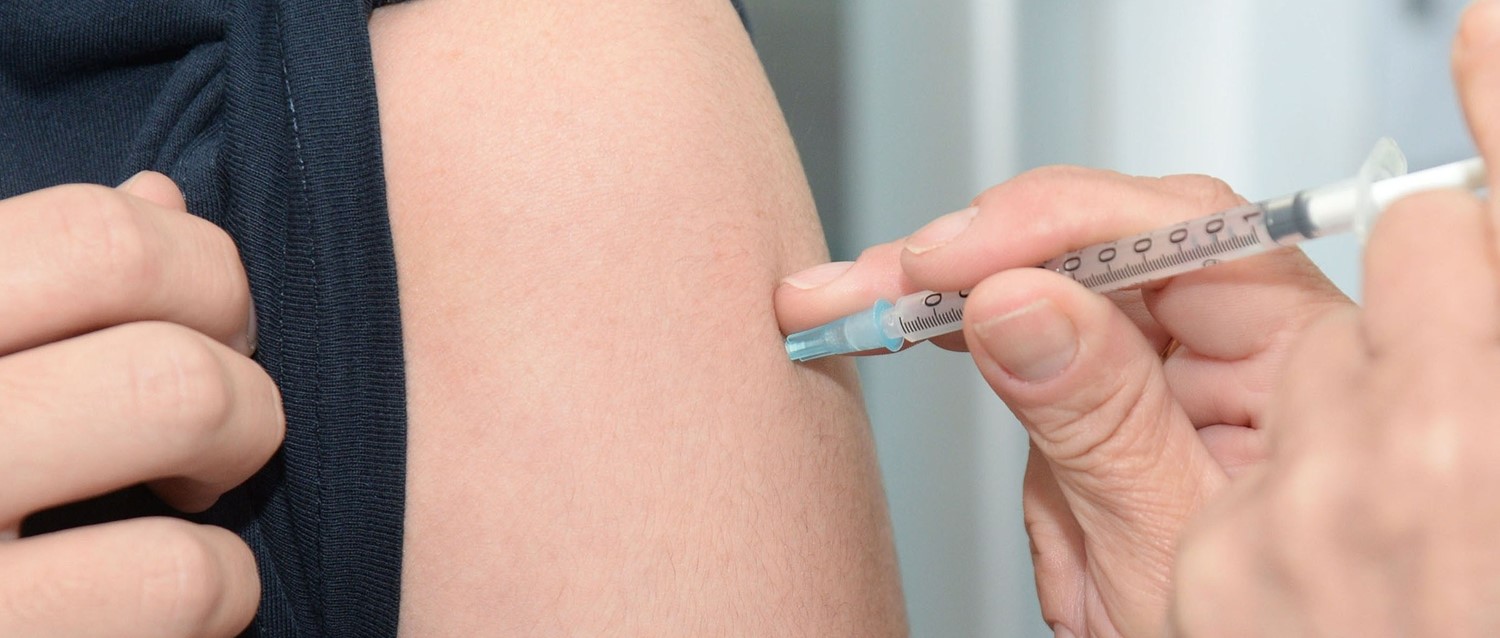
Like many vaccines, the flu jab works by introducing a deactivated form of the flu virus into your system. Your body will then produce an immune reaction that should help to protect you if and when you are exposed to the genuine virus. This is because your body will recognise the virus and will know how to deal with it.
As the flu mutates each year, the particular strains of this virus need to be predicted and the vaccine altered to cope with the particular mutations, the flu jab is not 100% effective. The effectiveness of the vaccine varies from year to year, but in general tends to be around 60%. "The flu jab tends to decrease the risk of illness by about 60% - probably more," explains GP Doctor Jeff Foster.
Might the vaccine give me flu?
Some people who have received the flu vaccine have complained afterwards of having a 'flu-like' illness. However, although some people do have a mild reaction - such as a low-grade fever, headache or tiredness - it is impossible to genuinely catch flu from the vaccine. "There is a myth that having the flu injection can give you flu, but as it's an inactive virus it's not physically possible," explains Dr Foster.
"There are anecdotal reports of people who say they became sick after the flu jab. But that is likely to be because people have a background illness that they either didn't tell their healthcare provider about or didn't realise they had at the time. It's important to speak with your healthcare provider if you're feeling unwell when you go for your vaccine."
Do I need the vaccine?
If your doctor recommends that you have the vaccine because of underlying health conditions or if you're over 50 the answer is a straightforward 'yes'. This year, those who spend time around vulnerable people, including carers and anyone who lives with someone on the NHS clinically extremely vulnerable (shielded) list, as well as some children, are also being offered a vaccine as there is a possibility of contracting both coronavirus and influenza at the same time.
Even if you're not eligible for a free vaccine, you can book one privately at your local pharmacy.
As with all vaccines, the more uptake there is, the more the disease can be suppressed in the general population. "This year we are for the first time encouraging people in lower risk groups to have a vaccine. If you contract both viruses at once, it could be a deadly cocktail," explains Dr Foster.
I think I've had flu - am I immune?
Even if you've had flu or been vaccinated in recent years, you will not be immune to the virus because there will be new strains each flu season. It's also very possible to think you've had flu when in fact you’ve had an illness that presents in a similar way - this can make people feel complacent when they really shouldn't be.
"There are misunderstandings about the flu. A lot of people say they've got the flu, or 'mild flu' or a 'touch of flu'. But often what they're actually talking about is a particularly bad case of the common cold. We've got to really shift our understanding of what is flu and what is a bad cold. Flu is more serious than a cold - it can completely wipe you out," explains Dr Foster.
I've never had the flu - am I immune?
Sadly, there are no lucky people who have natural immunity to the flu. So if you've never contracted the illness, it is much more likely that you have simply been lucky.
"There are people who say they've never had flu, so feel they will never get it," agrees Dr Foster. "But it's similar to saying you've never been hit by a bus. Just because it hasn't happened doesn't mean you can't get sick."
So - should I get vaccinated?
The answer is, if you have the opportunity to get vaccinated then you should take it up - particularly this year. Not only will it help to reduce your risk of contracting flu and becoming ill, it will also reduce the risk of contracting coronavirus and influenza at the same time.
In addition, as with all vaccines, having the vaccine will not only protect you, but will help to protect those around you and the wider society.
If you have any concerns about your particular health problems, it's worth having a chat with your pharmacist or GP who can advise.
Patient picks for Flu and vaccination
Infections
Will flu vaccinations be available after Brexit?
Leaving the EU without a deal on 31 October 'likely' to disrupt flu vaccine delivery just as UK faces virulent strain, doctors warn.
by Ashwin Bhandari

Infections
When is the flu most contagious?
Colds and flu share many of the same symptoms. So what distinguishes a bout of flu from the common cold? How can we avoid this potentially dangerous virus and, importantly, how can we protect others from infection?
by Gillian Harvey
About the authorView full bio
Authored by

Gillian Harvey
Freelance Writer
BA (Hons) English
Gillian is a freelance writer and columnist for a variety of national newspapers and magazines.
About the reviewerView full bio

Dr Sarah Jarvis
Clinical Consultant
MA (Cantab), BM, BCh (Oxon), DRCOG, FRCGP, MBE
After training in medicine at Cambridge and Oxford, Dr Sarah Jarvis MBE became a GP.
Article history
Article also available in English, German, Spanish, French, Italian, Portuguese, Hindi, Hebrew, Arabic, and Swedish.
24 Nov 2020 | Originally published
Authored by:
Gillian HarveyPeer reviewed by
Dr Sarah Jarvis
Join the conversation
Share your thoughts or experiences with others in our patient communities.

Ask, share, connect.
Browse discussions, ask questions, and share experiences across hundreds of health topics.

Feeling unwell?
Assess your symptoms online for free
Sign up to the Patient newsletter
Your weekly dose of clear, trustworthy health advice - written to help you feel informed, confident and in control.
By subscribing you accept our Privacy Policy. You can unsubscribe at any time. We never sell your data.