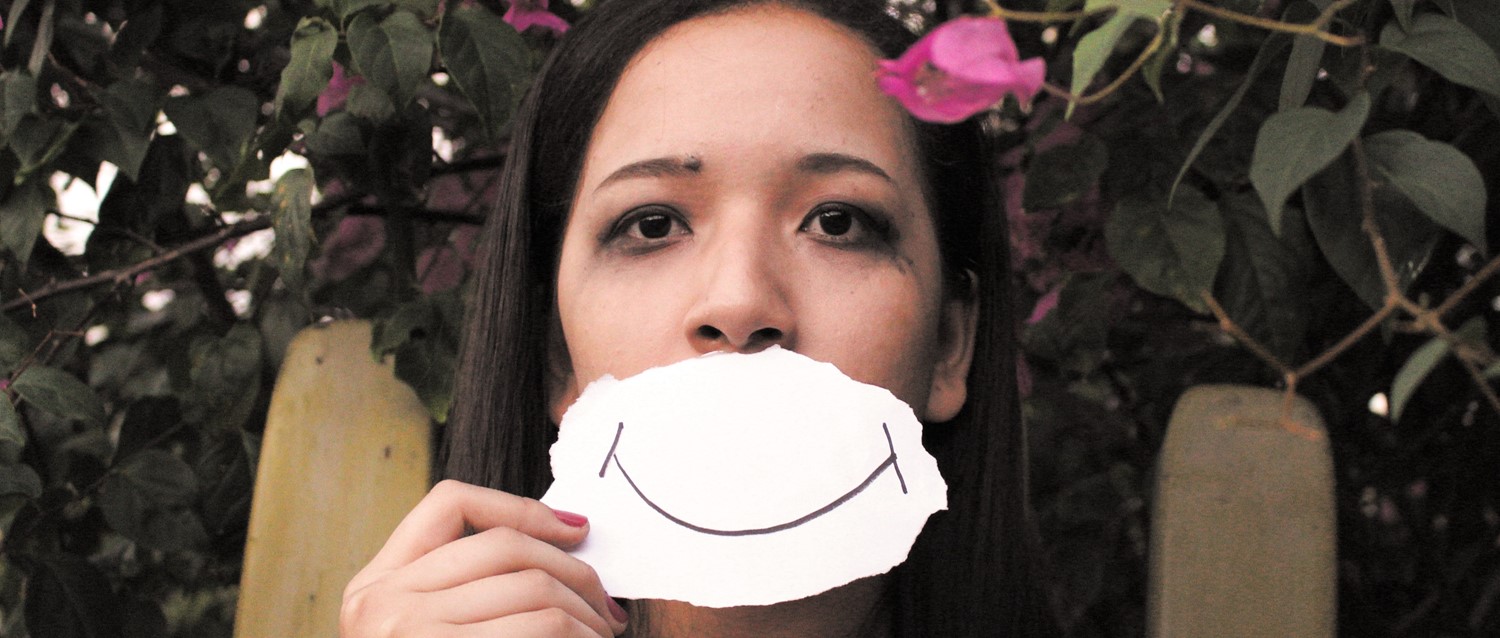
Young people who seek mental health support forced to cope on their own
Peer reviewed by Natalie HealeyAuthored by Ashwin BhandariOriginally published 2 Sept 2019
Meets Patient’s editorial guidelines
- DownloadDownload
- Share
- Language
- Discussion
- Audio Version
- Add to preferred sources on Google
More than 78% of young people in the UK are told by adults to cope on their own and left without adequate support, a new study suggests.
Mental health support for adults and children
Online CBT and psychological therapy for adults and children aged 8–17. Onebright’s accredited clinicians support people experiencing anxiety, depression and other emotional challenges.
Research conducted by child and adolescent mental health charity YoungMinds has exposed huge gaps in early support for young people who experience mental health problems.
Last month, the charity surveyed more than 7,000 people across the UK, all of whom were under 25 and had previously attempted to search for mental health support.
The participants were asked questions about which factors they believe have affected their mental health, who they are likely to turn to for support, how accessible they believe mental health support is in the UK and how confident they feel taking care of their mental health on their own.
77% of respondents said they were worried about doing well at school, 69% worried about how they looked and 62% cited issues at home.
46% of participants cited traumatic experiences as a significant factor affecting their mental health. 27% suggested spending too much time on social media was to blame, whilst 24% cited worries about what was in the news. Only 17% said that they could manage their mental health on their own.
When asked where they had turned to for help when waiting for mental health support, young people most commonly said friends, parents, school counsellors or going online. More than two thirds of the respondents said they were unable to find mental health support when they were first in need of it.
Emma Thomas, the charity's chief executive, said: "These results show how hard it can be for young people to get help when they first start to struggle - and we know that the impact of leaving it too late can be devastating."
YoungMinds published the findings of the study to coincide with the launch of its Act Early campaign, an initiative that is urging the government to adopt a new strategy when it comes to ensuring that young people are provided with mental health support as early as possible. YoungMinds has launched a petition for young people to demonstrate the urgency of this issue.
"We know that local support, through youth clubs or local charities, can be incredibly helpful - but this is something only a small number of young people are able to get. It's far better to make sure young people can get help early, rather than add to the numbers needing specialist support." Thomas said. "The government must also take action to address the factors that can affect young people's mental health - like academic pressure and how we support children who've lived through traumatic experiences."
Patient picks for Mental wellbeing
Mental health
Mind and body control - how to channel your ‘internal telekinesis’
The dark nights have arrived, and right on cue, Mike Flanagan has turned his attention to one of Stephen King’s most iconic tales of teenage torment and supernatural terror... Carrie. The story of a schoolgirl with telekinetic powers - the fictional ability to move objects using the mind alone - has gripped our morbid imaginations for decades. Little wonder, then, that this horror classic is getting a new lease of life in a television adaptation. But while we ourselves may not be able to bend spoons or move furniture, we do possess our own real-world form of ‘internal-telekinesis’. Through mental focus and controlled breathing, we can influence our heart rate and help calm an overworked nervous system.
by Hannah Boynton-Forshaw
Mental health
What to do if you're struggling with your mental health at Christmas
It may be a time of celebration, but the festive season can also be a stressful period for many. And if you have a mental health condition it can be even harder. We look at practical ways to cope over Christmas.
by Sally Turner
About the authorView full bio
Authored by

Ashwin Bhandari
Medical Writer
BA Journalism
About the reviewerView full bio

Natalie Healey
Freelance journalist
BSc (Hons) Biomedical Science
She is a London-based health journalist who has been writing about science and medicine for several years. She is the former head of editorial at Patient.
Article history
Article also available in English, German, Spanish, French, Italian, Portuguese, Hindi, Hebrew, Arabic, and Swedish.
2 Sept 2019 | Originally published
Authored by:
Ashwin BhandariPeer reviewed by
Natalie Healey
Join the conversation
Share your thoughts or experiences with others in our patient communities.

Ask, share, connect.
Browse discussions, ask questions, and share experiences across hundreds of health topics.

Feeling unwell?
Assess your symptoms online for free
Sign up to the Patient newsletter
Your weekly dose of clear, trustworthy health advice - written to help you feel informed, confident and in control.
By subscribing you accept our Privacy Policy. You can unsubscribe at any time. We never sell your data.