
Free morning-after pill now available at UK pharmacies
Peer reviewed by Dr Colin Tidy, MRCGPAuthored by Thomas Andrew Porteus, MBCSOriginally published 29 Oct 2025
Meets Patient’s editorial guidelines
- DownloadDownload
- Share
- Language
- Discussion
- Audio Version
- Add to preferred sources on Google
Access to emergency contraception in England has just become easier. From October 2025, women can get the morning-after pill free of charge at most high street pharmacies, without needing to visit a GP or sexual health clinic.
The new service, announced by NHS England, marks one of the biggest shifts in reproductive healthcare since the 1960s, expanding the role of community pharmacists and improving access to timely, confidential contraception.
Want to access contraception online?
Start a quick NHS Pharmacy First consultation online through Patient.info.
- Online and available 24/7, treatment can often be delivered next day.
- Free service, just pay the NHS prescription charge online if required.
- Just answer a few questions then choose a time for a clinician call.
Powered by Evaro, a UK regulated healthcare service supporting over 2 million patients. Reviewed by UK registered clinicians.

What has changed
Until now, women who needed emergency contraception often had to make an appointment at a clinic or request a prescription from their GP. That process could cause delays, especially at weekends or in rural areas.
Under the new scheme, women of childbearing age can walk into a participating pharmacy and ask for the morning-after pill directly from a trained pharmacist. Consultations take place in a private room, and medicine is supplied on the spot if suitable.
This development builds on other pharmacy initiatives, including the ability to start or continue the regular contraceptive pill, get advice after starting antidepressants, and receive blood pressure checks and vaccinations.
It forms part of a broader NHS plan to make community pharmacies a first point of contact for a wider range of everyday health needs.
Why it matters
Emergency contraception works best the sooner it is taken, ideally within hours of unprotected sex or a contraceptive failure.
By removing the need for a GP appointment, the NHS hopes to make it easier for women to act quickly. The move could prevent thousands of unintended pregnancies each year.
Pharmacies also offer privacy and convenience. Most people live within a 20-minute walk of one, and many have late or weekend opening hours.
For women who might feel uncomfortable visiting a clinic, the chance to speak to a pharmacist in confidence can make a real difference.
What to expect
If you need emergency contraception, you can now approach your local pharmacy and ask for a private consultation.
The pharmacist will check which pill is most appropriate and discuss how it works, possible side effects, and what to do next. Women under 16 can also use the service, but pharmacists must follow national safeguarding and consent guidelines.
It is important to remember that the morning-after pill is a back-up, not a regular method of contraception.
During the same consultation, your pharmacist can advise on longer-term options such as the contraceptive pill, patch or implant, and may be able to start you on one straight away or refer you to a suitable service.
A step forward for women’s health
This new access route represents a clear commitment to improving women’s health and tackling inequalities. For years, campaigners have argued that emergency contraception should be easier to obtain, affordable and stigma-free.
Now, by embedding it within everyday pharmacy services, the NHS is treating reproductive health as an integral part of routine care.
The change also highlights the growing role of pharmacists in the NHS.
They are already trusted for their advice on minor illnesses, and this new service reinforces their position as accessible, front-line healthcare professionals.
Taking charge of your reproductive health
If you think you might need the morning-after pill, act quickly. The sooner it is taken, the more effective it will be.
Most community pharmacies can now help, but it is worth checking whether yours is already signed up to the NHS contraception service. The pharmacist will guide you through your options and can offer advice about ongoing contraception or sexual health checks.
By making emergency contraception available where most people already seek everyday health advice, this change empowers women to take charge of their reproductive choices. It is a practical and forward-looking reform that could make a real difference to women’s health across England.
Patient picks for Contraception
Sexual health
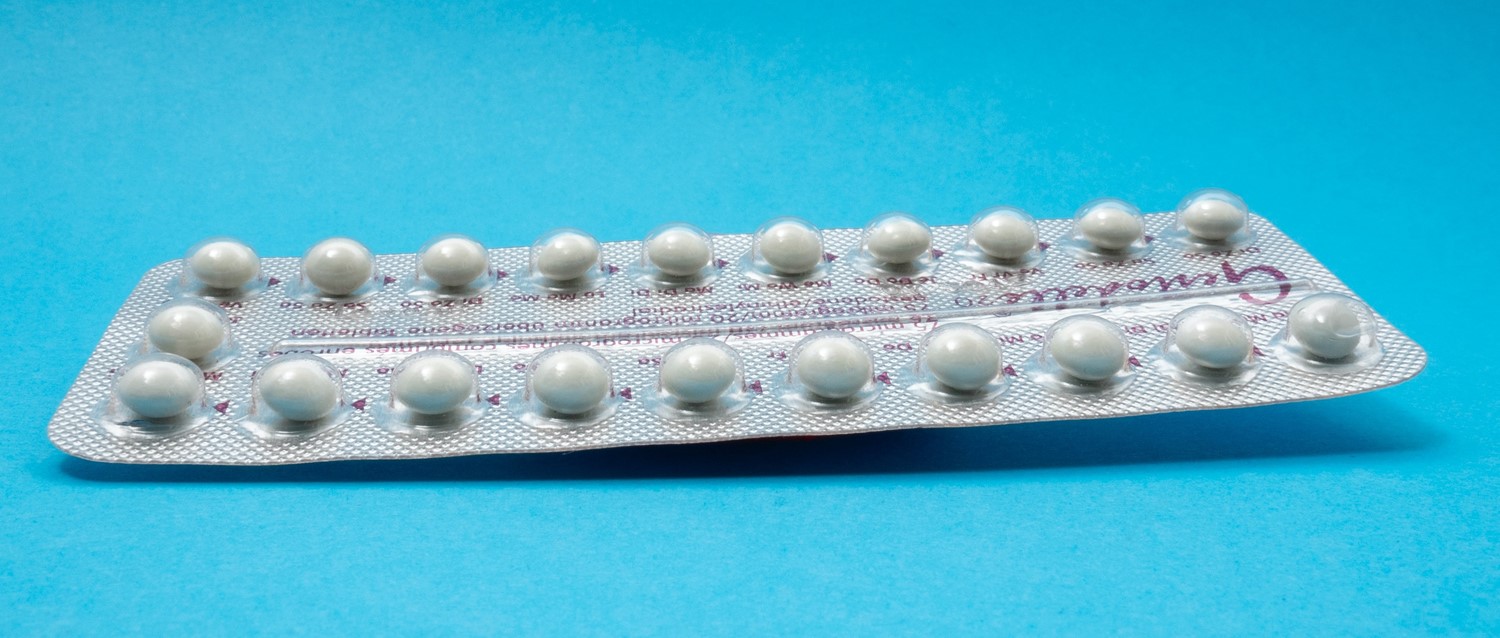
Do contraceptive pills change your behaviour?
The contraceptive pill, in giving women the ability to choose if or when they want to fall pregnant, provides millions with reliable yet reversible protection. In allowing women to alter their sex hormones, birth control tablets can give women control over their bodies. However, it's worth knowing that changing these hormones may have effects that extend beyond fertility.
by Amberley Davis
Sexual health
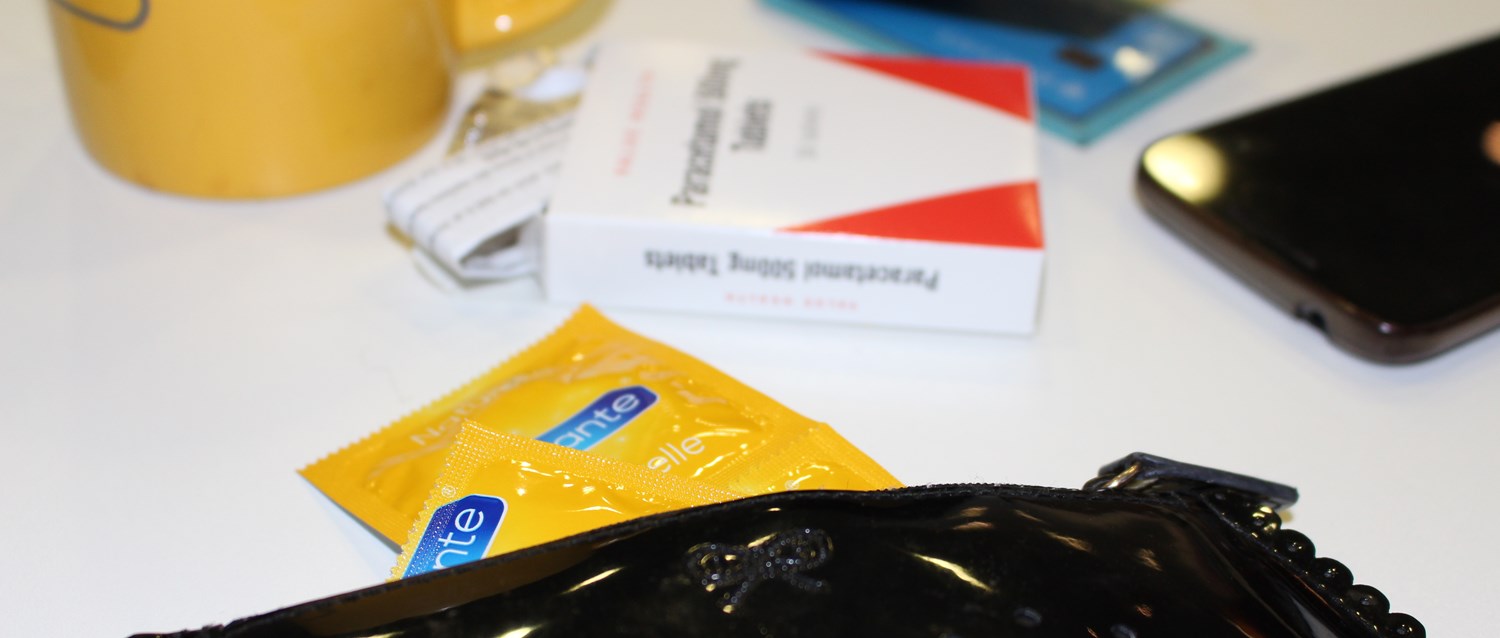
Which types of condoms are best for preventing pregnancy?
There are many different condoms to choose from, in a variety of colours, shapes and sizes. A condom helps to prevent sexually transmitted infections (STIs) and, when used correctly, helps protects against pregnancy 98% of the time. But the figures are often not as good in practice because condoms aren't always used correctly.
by Victoria Raw
About the authorView full bio
Authored by

Thomas Andrew Porteus, MBCS
HealthTech
MBCS
Thomas writes to inform, inspire, and equip practice leaders and health professionals navigating change, drawing on two decades of hands-on work across the UK health system.
About the reviewerView full bio

Dr Colin Tidy, MRCGP
General Practitioner, Medical Author
MBBS, MRCGP, MRCP (Paediatrics), DCH
Dr Colin Tidy is an NHS Doctor, based in Oxfordshire.
Article history
Article also available in English, German, Spanish, French, Italian, Portuguese, Hindi, Hebrew, Arabic, and Swedish.
Next review due: 30 Oct 2028
29 Oct 2025 | Originally published
Authored by:
Thomas Andrew Porteus, MBCSPeer reviewed by
Dr Colin Tidy, MRCGP
Join the conversation
Share your thoughts or experiences with others in our patient communities.

Ask, share, connect.
Browse discussions, ask questions, and share experiences across hundreds of health topics.

Feeling unwell?
Assess your symptoms online for free
Sign up to the Patient newsletter
Your weekly dose of clear, trustworthy health advice - written to help you feel informed, confident and in control.
By subscribing you accept our Privacy Policy. You can unsubscribe at any time. We never sell your data.