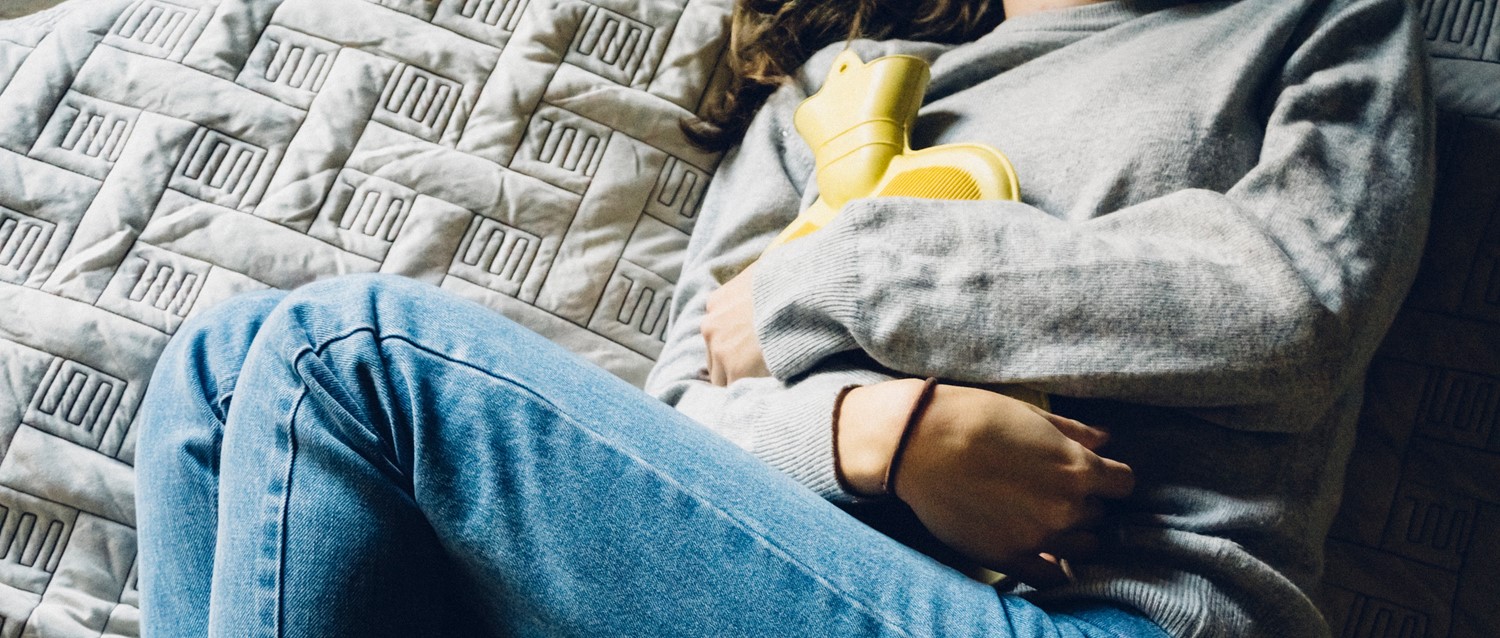
Video: What is the best way to get rid of period pain?
Peer reviewed by Dr Krishna Vakharia, MRCGPLast updated by Lydia SmithLast updated 18 May 2023
Meets Patient’s editorial guidelines
- DownloadDownload
- Share
- Language
- Discussion
- Audio Version
- Add to preferred sources on Google
While it's true that period pain eases as you get older, waiting for that to happen isn't a pleasant prospect. Our experts answer some of the main questions from women about painful periods.
Playlist: Period Pain Q&A
5 videos
What is the best way to get rid of period pain?
Dr Sarah Jarvis
What is the best way to get rid of period pain?
Dr. Sarah Jarvis
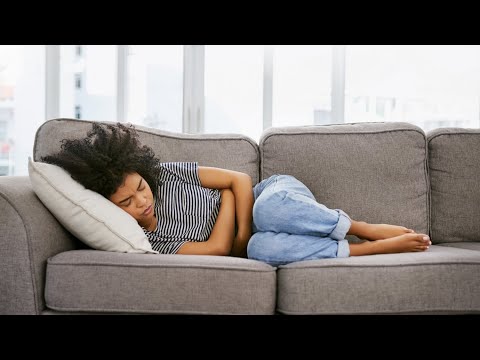
What causes period pain?
Dr. Sarah Jarvis

How much period pain is too much?
Dr. Sarah Jarvis

What does period pain feel like?
Dr. Sarah Jarvis

What can cause bleeding between periods?
Dr. Sarah Jarvis
What is the best way to get rid of period pain?
Relaxation, a hot water bottle, or maybe a gentle massage will help most women at least to some extent. You may well find you need painkillers and for these anti-inflammatories are often best. Your body produces a chemical called prostaglandin and anti-inflammatory drugs such as mefenamic acid or naproxen or sometimes Ibuprofen can help to reduce the levels of prostaglandin that help the lining of the womb to shed and can give rise to period pain.
If your period pain is severe, then hormone methods such as the combined oral contraceptive pills or the IUS (a kind of intrauterine hormone releasing coil), can often help. But if your period pain is caused by other conditions such as pelvic inflammatory diseases or endometriosis, the treatment will very much depend on what the condition is.
What causes period pain?
Amazingly we don’t absolutely know what causes many women’s period pain. A lot of women get what is called primary dysmenorrhea or period pain with no physical underlying cause. We know your body produces a natural chemical called prostaglandin in the lining of the womb and that helps the lining of the womb to shed.
We think the women who get bad period pain are super sensitive to that prostaglandin or have higher levels of it in their systems. But there’s also secondary period pain, period pain caused by another condition and those conditions include endometriosis and pelvic inflammatory disease.
How much period pain is too much?
How much period pain is too much? How long is a piece of string? Most women will get some period pain for most if not all periods and it tends to be worst in the first couple of days of your cycle.
But if your period pain is a great deal worse than it used to be, if it goes on for much longer then those first couple of days or if it is having a significant impact on your life, then it may well be worth seeing your doctor to see whether you need investigation for conditions such as pelvic inflammatory disease or endometriosis or whether they can help with treatment.
What does period pain feel like?
Period pains are often described as cramps because it can be a cramping feeling down in the lower part of your tummy. Every women’s experience is different; but those pains may be made better by putting a hot water bottle onto them, they can come and go and they can spread to your lower back or your upper thighs.
Patient picks for Periods and period problems
Women's health
What a missed period could mean if you're not pregnant
Does your period show up like clockwork each month? If you're not pregnant, you might be wondering why you've skipped right past the one week you dread every month. But here's the thing: missed or late periods happen for many reasons other than pregnancy. We speak to the experts about a few common causes of irregular periods.
by Sara Lindberg
Women's health
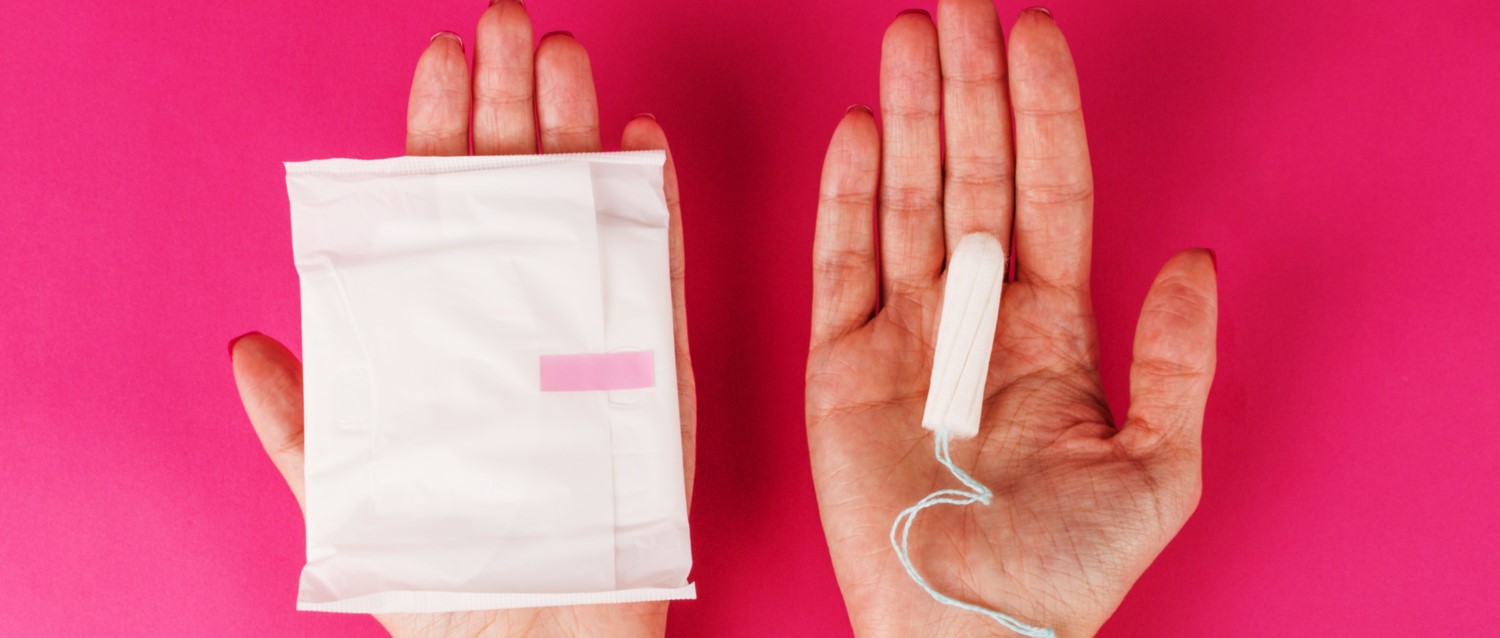
How to alter your language around menstruation to be more inclusive
Inclusive language is really important, especially when talking about menstruation. Not only can inclusive language help to dismantle the stigma and shame many feel about having periods, but it allows those who require it access to essential information and resources.
by Emily Jane Bashforth
About the authorView full bio
Updated by

Lydia Smith
Feature writer
BA, MA, MSc
Lydia Smith is an award-winning journalist and feature writer who has written extensively on women's health and mental health. She is currently studying for an MSc in psychology.
Authored by

Dr Sarah Jarvis
Clinical Consultant
MA (Cantab), BM, BCh (Oxon), DRCOG, FRCGP, MBE
After training in medicine at Cambridge and Oxford, Dr Sarah Jarvis MBE became a GP.
About the reviewerView full bio

Dr Krishna Vakharia, MRCGP
Chief Medical Officer for Health, Optum UK
MBChB, MRCGP(2013), BMedSci (hons), DFSRH, DRCOG, PGDipDerm (Distn)
Dr Krishna Vakharia is an NHS GP. She is also a regular examiner for the postgraduate Diploma in Practical Dermatology at Cardiff University as well as being the Chief Medical Officer for health at Optum UK.
Article history
Article also available in English, German, Spanish, French, Italian, Portuguese, Hindi, Hebrew, Arabic, and Swedish.
Next review due: 18 May 2026
18 May 2023 | Latest version
18 Mar 2018 | Originally published
Authored by:
Dr Sarah Jarvis
Join the conversation
Share your thoughts or experiences with others in our patient communities.

Ask, share, connect.
Browse discussions, ask questions, and share experiences across hundreds of health topics.

Feeling unwell?
Assess your symptoms online for free
Sign up to the Patient newsletter
Your weekly dose of clear, trustworthy health advice - written to help you feel informed, confident and in control.
By subscribing you accept our Privacy Policy. You can unsubscribe at any time. We never sell your data.