How menopause can affect women at work
Peer reviewed by Dr Krishna Vakharia, MRCGPAuthored by Lydia SmithOriginally published 24 Jan 2023
Meets Patient’s editorial guidelines
- DownloadDownload
- Share
- Language
- Discussion
- Audio Version
- Add to preferred sources on Google
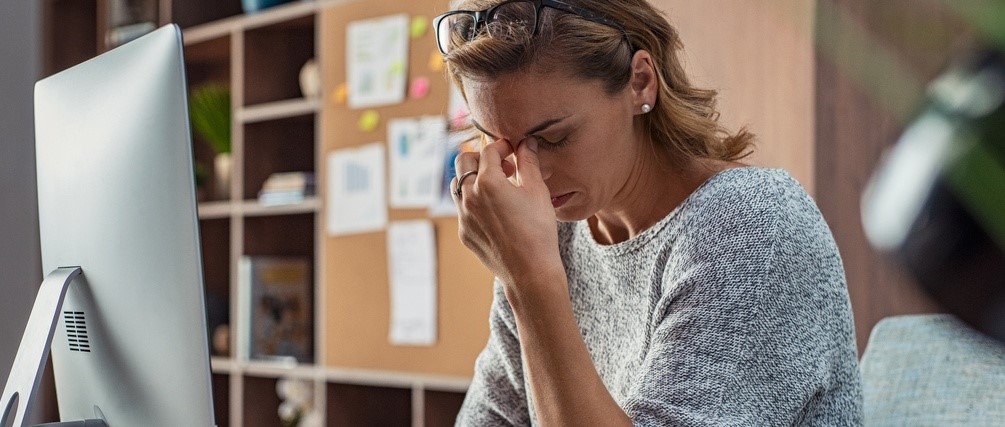
Menopause is a natural part of ageing, but it can bring a whole host of debilitating physical and mental symptoms. From hot flushes to anxiety and concentration problems, menopause can have a serious impact on women’s relationships, family lives and work - and for some, it forces them to quit their jobs and leave the workforce entirely.
Need treatment for menopause?
Start a quick online consultation through Patient.info, available 24/7.
Reviewed by UK-registered clinicians and powered by Evaro, a UK-regulated healthcare service. Treatment can often be delivered next day.

What is the menopause?
Menopause occurs because as you age, your ovaries stop producing eggs and make less oestrogen, causing your periods to stop. Usually, it happens between the ages of 45 and 55 - but it can happen earlier or later.
Of the 13 million people affected by menopause in the UK, 75% will experience negative symptoms. A quarter of women who experience menopause describe the symptoms - which can include hot flushes, difficult sleeping, low mood or anxiety, and problems with memory - as severe1.
With these challenging symptoms potentially lasting for years, it's no surprise that the menopause can have a serious impact on women at work.
A 2021 survey of 2,000 women found that almost a quarter had left their jobs because of the menopause.
The research also found that, of those who suffered ill-health as a result of the menopause, around one in five said they were not given a pay rise or promotion. Shockingly, 13 percent said they had had to go through a disciplinary procedure.
Despite this, the UK Government has rejected calls for a trial of menopause leave for women, claiming that it could cause discrimination against men with long-term medical conditions. Ministers also rejected a recommendation to make menopause a protected characteristic under the Equalities Act.
The report comes as a poll suggests healthcare for women in the UK is as bad as Kazakhstan. Britain ranked lower than the US, Australia, New Zealand, France and Germany in the 2021 Hologic Global Women’s Health Index2.
A separate study of 2,400 people working in finance in the UK found that a quarter of employees going through the menopause said their experience made them more likely to retire early. Also, just one in five of women and transgender men said they had disclosed their menopause status at work, for fear of stigma3.
Kate Usher, a menopause specialist and gender equality consultant, said going through the menopause had a significant impact on her work.
"I found work relationships extremely challenging," she says. "I would have to explain why I was sweating profusely or forgetting my words. I had to face my own discomfort when talking about it, and at the same time manage other people's. I had to learn on the job - so to speak - about how to talk about menopause and take control of the situation."
How the menopause affects women at work
Impact of symptoms
Experiencing menopausal symptoms can have a significant impact on women at work. They can include hot flushes, difficulty sleeping, night sweats, palpitations, headaches, dizziness, muscle aches and changes to body shape and skin.
Menopause also affects people's mental health too, triggering changes to mood and problems such as brain fog.
According to a survey of more than 1,000 people, around six out of ten working women between the ages of 45 and 55 said the menopause had a negative impact on them at work4. Around seven in ten said they were less able to concentrate, while more than half around six in ten said they felt more stressed.
Stigma
The problem is made worse by stigma surrounding the menopause transition. Despite it being a natural part of life, menopause has long been a taboo subject. Due to a lack of information and a culture of silence, many women don't tell anyone they are experiencing the menopause over fears they'll be discriminated against.
Rachel Suff, senior policy adviser for the CIPD, which has carried out research into the impact of menopause at work, says more needs to be done to support women.
"It's likely that nearly every workplace in the UK has someone experiencing the menopause right now but many managers are in the dark on how best to support them," she says. "Rather than it being a workplace taboo, line managers should be ready to treat the menopause like any other health condition and have open, supportive conversations with women in their teams."
How to cope with menopause at work
If you're struggling with menopause symptoms at work, it's important to speak to your manager about making reasonable changes, such as moving your desk to a cooler area or arranging flexible working.
Taking regular breaks can help with symptoms such as exhaustion and problems concentrating. If the symptoms are severe or having a serious impact on your day-to-day life, you may be able to request leave due to ill health.
Menopause and the law
The menopause is not a specific protected characteristic under the Equality Act 2010. However, if you are put at a disadvantage and treated unfairly because of your menopause symptoms, this could be discrimination if it is found to be related to a 'protected characteristic' such as age, disability, gender reassignment, or sex.
Organisations such as Citizens Advice can provide advice and support.
Employers should make sure they have steps, procedures and support in place to help staff affected by the menopause.
Further reading
1. NHS England: Menopause in the workplace.
2. Hologic: Global Women’s Health Index.
3. Benenden Health: National health and wellbeing at work report.
4. Fawcett Society: Menopause in the Workplace: Impact on Women in Financial Services
Patient picks for Workplace health
General health and lifestyle
How has working from home affected our mental health?
There was a time when working from home simply wasn't an option for many of us. However, the past 18 months have represented a huge shift in the way businesses operate. As a result, many of us now find ourselves in a world of hybrid and flexible working. But what has working from home done to our mental health?
by Emily Jane Bashforth

General health and lifestyle
How to improve your mental health while working from home
The first lockdown in March 2020 made working from home a part of millions of people's lives overnight. Nearly two years later and many businesses have adapted a hybrid approach where home-working is the norm. However, this new way of working can take a toll on your mental health, especially when lone working is a stark contrast to the hustle and bustle of a hectic office environment. Let's look at how you can improve your mental health while working from home.
by Emily Jane Bashforth
About the authorView full bio
Authored by

Lydia Smith
Feature writer
BA, MA, MSc
Lydia Smith is an award-winning journalist and feature writer who has written extensively on women's health and mental health. She is currently studying for an MSc in psychology.
About the reviewerView full bio

Dr Krishna Vakharia, MRCGP
Chief Medical Officer for Health, Optum UK
MBChB, MRCGP(2013), BMedSci (hons), DFSRH, DRCOG, PGDipDerm (Distn)
Dr Krishna Vakharia is an NHS GP. She is also a regular examiner for the postgraduate Diploma in Practical Dermatology at Cardiff University as well as being the Chief Medical Officer for health at Optum UK.
Article history
Article also available in English, German, Spanish, French, Italian, Portuguese, Hindi, Hebrew, Arabic, and Swedish.
24 Jan 2023 | Originally published
Authored by:
Lydia SmithPeer reviewed by
Dr Krishna Vakharia, MRCGP
Join the conversation
Share your thoughts or experiences with others in our patient communities.

Ask, share, connect.
Browse discussions, ask questions, and share experiences across hundreds of health topics.

Feeling unwell?
Assess your symptoms online for free
Sign up to the Patient newsletter
Your weekly dose of clear, trustworthy health advice - written to help you feel informed, confident and in control.
By subscribing you accept our Privacy Policy. You can unsubscribe at any time. We never sell your data.