How to avoid snacking when you are bored
Peer reviewed by Dr Sarah JarvisAuthored by Amberley DavisOriginally published 9 Dec 2021
Meets Patient’s editorial guidelines
- DownloadDownload
- Share
- Language
- Discussion
- Audio Version
- Add to preferred sources on Google
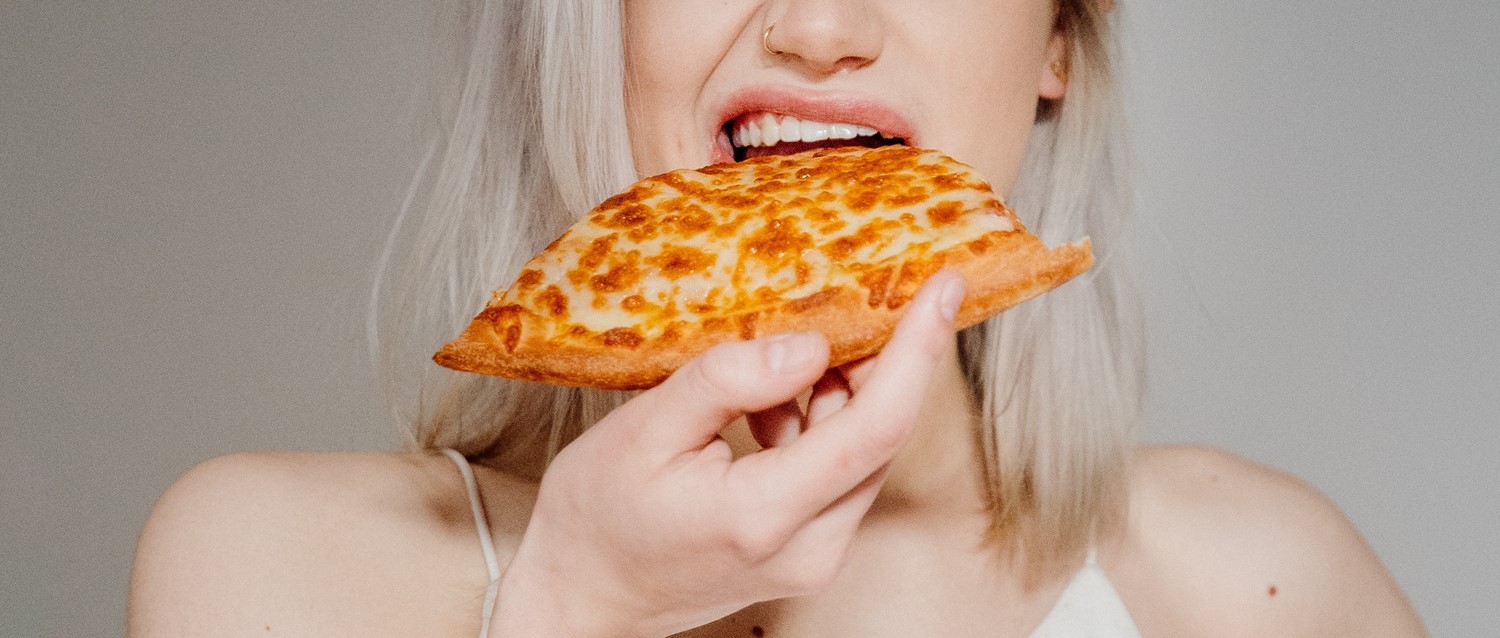
Snacking when we're bored is a form of emotional eating that has nothing to do with physical hunger. It can easily become an unhealthy habit, causing us to reach for food with a high fat and sugar content as we attempt to seek pleasure through eating. Unfortunately, we can't always avoid boredom, but we can learn to control our snacking habits.
It turns out that a great number of us head to the snack cupboard when we're bored. In fact, around 41% of us admit to this unhealthy habit. The COVID-19 pandemic lockdown measures have also been a catalyst for snacking, with 38% of adults and 70% of families with young children believed to have increased their snack consumption during the first lockdown alone.
Why do we snack when we're bored?
Snacking when we're bored is a form of emotional eating, where we consume food to make ourselves feel better rather than just to satisfy physical hunger. Unfortunately, eating when we are bored means we can easily consume more calories than our body requires, which can lead to weight gain and associated health problems.
While snacking can be healthy, emotional eating is also associated with less healthy food with high fat and sugar content, like junk food and sweets. When we're bored, we tend to have lower levels of dopamine - a brain chemical that's responsible for reward and pleasure in the brain. Researchers understand reaching for unhealthy snacks as an attempt to boost our levels of dopamine, because eating these foods triggers pleasure by releasing endorphins - the so-called 'happy hormones' that boost our mood.
The relationship between boredom and snacking is well researched and documented. Many studies have found that snacking often results from the "need to distance from the experience of boredom".
"Snacking is often a mindless activity that can happen in a semi-zoned-out mental state like boredom," explains Sally Baker, senior therapist and co-author of '7 Simple Steps to Stop Emotional Eating'.
"It tends to be something that happens while on autopilot so it's helpful to put some boundaries in place that bring your snacking into your conscious awareness instead of happening unconsciously."
How to control your snacking
It's not always possible to avoid boredom, but there are techniques we can use to take control of our snacking. According to Baker, making snacking a conscious activity is a good place to start.
Baker's tips for conscious snacking
Eat your snack away from distractions (for example, don't eat it while watching TV, working at your desk, or on the move).
Serving your snack on a plate, rather than eating from a packet - this will allow you to control your serving size.
Ask yourself why you're snacking at different times of the day - it may be that your breakfast or lunch wasn't satisfying and adequately nourishing.
Raising self-awareness of our snacking habits can also bring to light some other contributing factors. It's important to distinguish between snacking purely driven by emotion and the influence of physical hunger.
Ensuring that your main meals include adequate levels of protein and other important nutrients can reduce your urge to snack and also benefit your overall health, including reducing your chance of illness, improving your energy levels and looking after your mental health.
Emotional freedom technique (EFT)
There's no shame in seeking additional support to help combat an emotional eating habit. In her book '7 Simple Steps to Stop Emotional Eating', Baker recommends trying the "widely recognised and effective" emotional freedom technique (EFT), which can be learned and used at home.
"EFT, also known as 'tapping', is a powerful tool for overcoming the emotional compulsions to snack ... Tapping uses the 'meridians' of the face and upper body, coupled with 'scripts' of things to say/think while following a systematic way of tapping."
Baker's instructions for EFT tapping
"Stage 1: set a number before you begin tapping to assess the emotional intensity attached to your compulsion to snack. Zero is equal to no emotion and ten is the biggest emotion you can feel. Make a note of your number.
Stage 2: the set-up takes place while either rubbing on the sore spot or by tapping the fingers of one hand against the 'karate chop' side of the other hand and saying: "Even though I have this need to snack I completely and fully love and accept myself and forgive myself, even though that's hard for me." Repeat the set-up three times.
Stage 3: begin tapping using the two fingers together of your dominant hand; tap seven
or eight times on each point before moving on. Repeat a reminder phrase as you tap around the meridian (tapping) points - eg, this snacking craving; this snacking when I'm bored; this afternoon snacking; this sofa snacking; this evening snacking; this on my own snacking - just say whatever pops into your mind."
The EFT tapping points (picture guide)
1. EB at the inner end of one eyebrow, level with the top of the nose.
2. SE side of the eye, at the end of eyebrow.
3. UE under the eye, on the curved bone of the eye socket.
4. N in the dip under the nose.
5. C in the dip under the lip on the chin.
6. CB around the collarbone using a soft fist.
7. RIBS fingers of both hands tapping on the rib cage at both sides of the body's trunk.
8. Underarm side of the body, level with bra strap or man's nipple with a flat hand.
9. Wrists tapping inside of the wrists together.
10. Top of the head tapping around with a flat hand.
Suggested script as you tap on each point
EB: "This need I have to snack."
SE: "I know I’m not hungry."
UE: "This need I have to snack is about feeling bored."
N: "I choose to be present."
C: "I chose to breathe deeply."
CB: "Releasing this boredom from my body."
RIBS: "Breathing deeply."
UA: "Breathing out boredom."
W: "Breathing in enjoying being present."
TH: "Releasing boredom from my body."
After a tapping round, Baker recommends pausing, taking a deep breath and drinking some water. Assess if your starting number has gone up or down, and then start a new tapping round on the meridian points while focusing again on how your desire to snack is now.
Baker suggests adapting the words from the above script in order to reflect the observations you have about boredom and any other emotions in your body: "Just say whatever feels natural as it pops into your mind."
Patient picks for Healthy eating

Diet and nutrition
How to eat healthily on a tight budget
When you're busy trying to make ends meet, it can be all too easy to overlook a healthy diet. After all, products marketed as 'health foods' can often be pricey. But there are plenty of cheaper, just as nutritious, options out there for people who are watching their pennies.
by Gemma Grange
Diet and nutrition
How to help your kids eat healthily over Christmas
Christmas is a time when many of us relax the rules about food. But when it comes to our children's health, how much is too much - and where should we draw the line?
by Gillian Harvey
About the authorView full bio
Authored by

Amberley Davis
Senior writer
BA (Hons), CPD
Amberley is a senior writer with Patient and has written extensively on a range of health and wellbeing topics.
About the reviewerView full bio

Dr Sarah Jarvis
Clinical Consultant
MA (Cantab), BM, BCh (Oxon), DRCOG, FRCGP, MBE
After training in medicine at Cambridge and Oxford, Dr Sarah Jarvis MBE became a GP.
Article history
Article also available in English, German, Spanish, French, Italian, Portuguese, Hindi, Hebrew, Arabic, and Swedish.
9 Dec 2021 | Originally published
Authored by:
Amberley DavisPeer reviewed by
Dr Sarah Jarvis
Join the conversation
Share your thoughts or experiences with others in our patient communities.

Ask, share, connect.
Browse discussions, ask questions, and share experiences across hundreds of health topics.

Feeling unwell?
Assess your symptoms online for free
Sign up to the Patient newsletter
Your weekly dose of clear, trustworthy health advice - written to help you feel informed, confident and in control.
By subscribing you accept our Privacy Policy. You can unsubscribe at any time. We never sell your data.