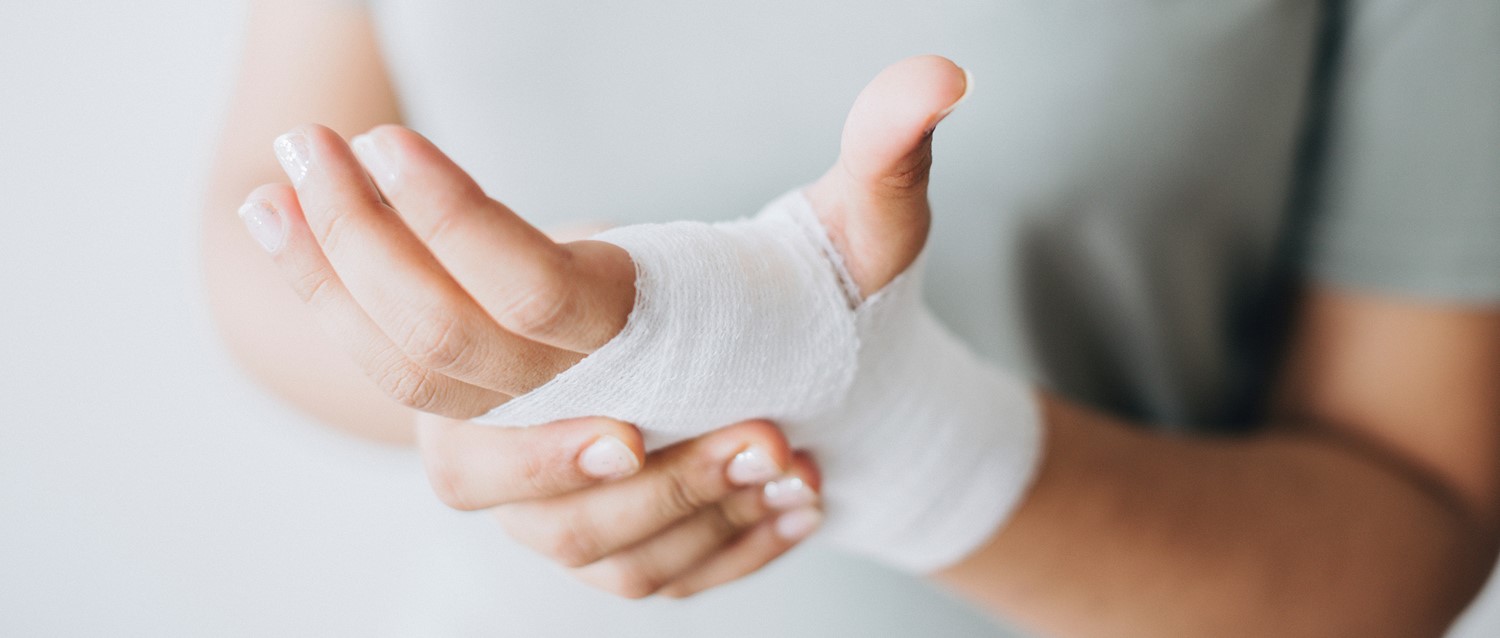
Natural remedies for joint pain relief
Peer reviewed by Dr Colin Tidy, MRCGPLast updated by Josh AldermanLast updated 28 May 2026
Meets Patient’s editorial guidelines
- DownloadDownload
- Share
- Language
- Discussion
- Audio Version
- Add to preferred sources on Google
Joint pain is extremely common and can affect people of all ages. While medication can help in some cases, many people look for natural remedies for joint pain relief to help ease stiffness, improve movement, and support long-term joint health.
Whether your discomfort is linked to ageing, arthritis, overuse, or inactivity, small lifestyle changes can often make a noticeable difference.
Keep moving, even when joints ache
When your joints hurt, exercise may be the last thing you feel like doing. However, staying active is one of the most effective natural remedies for joint pain relief.
Gentle movement helps keep joints flexible, strengthens the muscles that support them, and improves circulation.
Low-impact activities are usually best, including:
Walking.
Swimming.
Cycling.
Yoga or Pilates.
Stretching exercises.
Swimming can be particularly helpful because the water supports your body weight while allowing joints to move more freely. The key is consistency rather than intensity. Doing too much too soon may worsen symptoms, especially during flare-ups.
Maintain muscle strength
Strong muscles help reduce strain on your joints. This is especially important around the knees, hips, and shoulders.
Simple strengthening exercises using body weight, resistance bands, or light weights can improve stability and reduce discomfort over time. Balance exercises may also help lower your chance of falls and support mobility as you age.
If you have an existing joint condition or significant pain, it may be helpful to speak to a physiotherapist before starting a new exercise programme.
Heat and cold therapy
Many people find heat or cold packs useful as part of natural joint pain relief.
Heat may help relax muscles and ease stiffness, particularly in the morning. Warm baths, hot water bottles, or heated pads are commonly used.
Cold packs can sometimes reduce swelling and numb sharp pain after activity or during flare-ups. Different people respond differently, so it is often a matter of finding what works best for you.
Can diet affect joint pain?
Diet alone is unlikely to cure joint pain, but eating a balanced diet may help support joint health and reduce inflammation.
Oily fish such as salmon, sardines, and mackerel contain omega-3 fatty acids, which may help some people with inflammatory joint conditions. Fruit, vegetables, nuts, and wholegrains also form part of an anti-inflammatory eating pattern.
Maintaining a healthy weight is also important. Carrying excess weight places additional pressure on weight-bearing joints such as the knees and hips.
What is the best natural remedy for joint pain?
There is no single “best” natural remedy for joint pain relief because the cause of joint pain varies from person to person. However, regular gentle exercise is consistently one of the most effective approaches for improving mobility and reducing stiffness. Some people also find supplements helpful, although evidence for these is mixed.
What vitamin am I lacking if my joints hurt?
Joint pain can occasionally be linked to vitamin deficiencies, particularly low vitamin D levels. Vitamin D plays an important role in bone and muscle health, and deficiency may contribute to aches and pains.
However, joint pain has many possible causes, including arthritis, injury, and inflammation.
If symptoms are persistent, worsening, or associated with swelling, it is important to seek medical advice rather than self-diagnosing a deficiency.
What is the golden herb for joint pain?
Turmeric is sometimes referred to as the “golden herb” for joint pain because it contains curcumin, a compound with anti-inflammatory properties.
Some studies suggest turmeric may help reduce symptoms in people with osteoarthritis, although results vary and it is not a replacement for medical treatment. Herbal remedies can also interact with medications, so it is important to speak to a pharmacist or doctor before taking supplements regularly.
Protect your joints during daily activities
Simple adjustments during everyday activities can reduce strain on painful joints.
For example:
Avoid repetitive movements where possible.
Take regular breaks from sitting or gardening.
Use supportive footwear.
Lift objects carefully using larger joints and muscles.
Pacing activities can help prevent flare-ups, especially if symptoms worsen after overuse.
Summary
Natural remedies for joint pain relief often focus on improving movement, supporting joint health, and reducing strain on affected areas. Regular low-impact exercise, maintaining muscle strength, healthy eating, and using heat or cold therapy can all help manage symptoms. While supplements and herbal remedies may benefit some people, evidence is mixed and persistent joint pain should always be assessed by a healthcare professional.
Patient picks for Joint health

Bones, joints and muscles
Are joint pain supplements worth your money?
Joint problems are a huge problem in the UK and are becoming ever more prevalent. But are painkillers the only solution? And what about the supplements that claim to help? We ask rheumatology experts how we can ensure more people live independently and without pain in the future.
by Natalie Healey

Bones, joints and muscles
What is 40-year-old shoulder?
The term ‘40-year-old shoulder’ gained attention in the past decade, partly because of its mention in the TV show ‘Younger’. The series follows a 40-year-old woman pretending to be in her twenties, with the contrast between her real age and her assumed age becoming a recurring theme. The show makes frequent nods to age-related health differences - including frozen shoulder - which is portrayed as something more likely to affect people in midlife. But while the phrase makes for a memorable TV moment, is ‘40-year-old shoulder’ a real medical term, and what should you do if you think you have it?
by Victoria Raw
Frequently asked questions
How often should I do the recommended exercises for joint pain?
The key to exercise for joint pain relief is consistency rather than intensity. It’s better to do gentle low-impact activities regularly, rather than doing too much too soon, which could worsen symptoms during flare-ups.
Can I use heat therapy and cold therapy together for my joint pain?
The article suggests that different people respond differently to heat and cold therapy, and it's often a matter of finding what works best for you. Heat may help relax muscles and ease stiffness, while cold can reduce swelling and numb sharp pain. You might find one more effective than the other, or use them at different times depending on your symptoms.
Are there any specific foods I should avoid if I have joint pain?
While the article focuses on foods that may help, such as oily fish, fruit, vegetables, nuts, and wholegrains, it does not specifically list foods to avoid. The emphasis is on maintaining a balanced diet to support joint health and reduce inflammation.
What kind of footwear is considered 'supportive' for joint pain?
The article recommends using supportive footwear as a simple adjustment to reduce strain on painful joints during daily activities. While it doesn't specify types, supportive footwear generally means shoes that provide good cushioning, arch support, and stability to help distribute pressure evenly and absorb impact.
Should I completely stop activities that cause my joint pain to flare up?
The article suggests avoiding repetitive movements where possible and pacing activities to prevent flare-ups, especially if symptoms worsen after overuse. It doesn't recommend completely stopping all activities, but rather adjusting them and taking regular breaks to manage symptoms and reduce strain.
About the authorView full bio
Updated by

Josh Alderman
SEO Executive
BA (Hons) Media and Print Journalism
Josh is an SEO executive at Patient with over 4 years experience working within the healthcare sphere.
Authored by

Natalie Healey
Freelance journalist
BSc (Hons) Biomedical Science
She is a London-based health journalist who has been writing about science and medicine for several years. She is the former head of editorial at Patient.
About the reviewerView full bio

Dr Colin Tidy, MRCGP
General Practitioner, Medical Author
MBBS, MRCGP, MRCP (Paediatrics), DCH
Dr Colin Tidy is an NHS Doctor, based in Oxfordshire.
Join the conversation
Share your thoughts or experiences with others in our patient communities.

Ask, share, connect.
Browse discussions, ask questions, and share experiences across hundreds of health topics.

Feeling unwell?
Assess your symptoms online for free
Sign up to the Patient newsletter
Your weekly dose of clear, trustworthy health advice - written to help you feel informed, confident and in control.
By subscribing you accept our Privacy Policy. You can unsubscribe at any time. We never sell your data.