
Health benefits of garlic
Peer reviewed by Dr Krishna Vakharia, MRCGPLast updated by Victoria RawLast updated 16 Oct 2024
Meets Patient’s editorial guidelines
- DownloadDownload
- Share
- Language
- Discussion
- Audio Version
- Add to preferred sources on Google
Garlic can do much more than just ward off vampires and add flavour to our meals. From protecting us against the common cold to lowering our blood pressure, current research suggests it may have some real health benefits too.
Why is garlic good for us?
Garlic is one of the most popular vegetables used in cooking around the world. It's known for its distinctive, strong aroma and flavour. With one small bulb consisting of around 10 cloves, garlic's nutritional value packs a punch as it contains vitamin C, vitamin B6, fibre and selenium.
Many of the claims made regarding the health benefits of garlic are linked to a compound called allicin. This sulfur-containing compound is activated when garlic is crushed or chopped and gives it its strong smell and taste.
As well as being eaten cooked or raw, garlic can be made into supplements that can be taken in the form of tablets, oils or capsules.
Protects against colds and flu
Studies have suggested that garlic extract may help to boost your immune system, helping you to fight off common viral infections.
One study found that people who took aged garlic extract for three months during the cold and flu season experienced less severe symptoms and missed fewer days of school or work1.
Aged garlic extract is created from garlic cloves that are sliced and soaked in an ethanol solution, before being left to age for up to 20 months.
Research also suggests that the compounds found in garlic may have antiviral properties, which helps to prevent viruses from entering our cells or replicating2.
Lowers blood pressure
High blood pressure (hypertension) is a key contributor to heart attacks, heart disease and strokes. However, research has found that garlic - in the form of supplements - may have the ability to lower blood pressure and improve heart health.
A review of studies carried out in 2020 found that garlic extract lowered blood pressure and reduced stiffness in arteries - a problem linked to high blood pressure.
It was also found to improve the richness and diversity of good bacteria in your gut, which helps to boost digestive health3. Studies have suggested that the allicin in garlic may help relax your blood vessels, allowing the blood to flow more easily4.
Lowers cholesterol
High cholesterol is when you have too much of a fatty substance called cholesterol in your blood and it can lead to heart conditions and strokes.
Eating a healthy diet and exercising regularly - as well as avoiding smoking and not drinking too much alcohol - is important in keeping your cholesterol levels healthy.
But research suggests that garlic may also help to lower your levels of bad cholesterol (LDL) - the type that contributes to heart health issues5.
Reduces arthritis pain
Arthritis is a common condition that causes pain and inflammation in the joints, but research has found that taking garlic supplements may help relieve soreness.
One study, involving 70 women, found that participants who took 1,000mg of garlic daily had reduced pain and tenderness. Although the study was small, the researchers suggested that garlic may have anti-inflammatory benefits6.
Another review of studies found that participants who received garlic as a treatment had reduced pain and inflammation and improved physical function7.
The research into the benefits of garlic - both when eaten or taken in the form of a supplement - is promising. However, it's important to remember that garlic isn't a cure-all for health problems - and should be enjoyed as part of a healthy, varied diet.
Further reading
Patient picks for Nutrition

Diet and nutrition
Are pumpkin seeds good for you?
Pumpkin seeds aren't just for Halloween. While they might remind you of carving autumn jack-o'-lanterns, many people enjoy them year-round for their health benefits. Let’s take a closer look at what pumpkin seeds have to offer and see if they deserve a permanent spot in your diet.
by Victoria Raw
Diet and nutrition
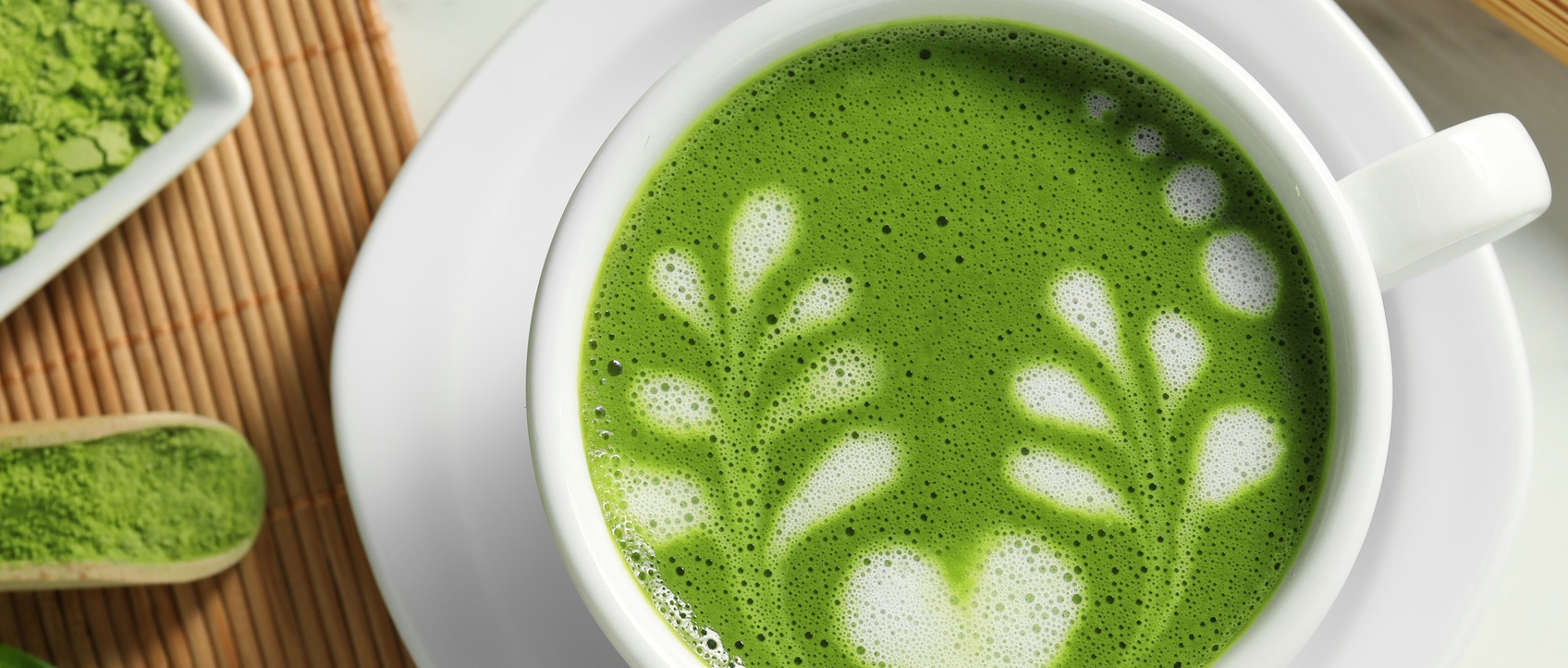
8 benefits of matcha tea
Brad Pitt drinks it instead of booze, Gwyneth Paltrow slathers it on her face, and Dean from The Apprentice calls it his favourite drink. But are there really health benefits to matcha tea? We look at what matcha tea contains and the evidence for what this may do for your body and mind.
by Victoria Raw
About the authorView full bio
Updated by

Victoria Raw
Feature Writer
BA (Hons), English Literature
Victoria is a content writer at Patient, with special interests spanning mental wellbeing, societal trends and the impact of technology on our health.
Authored by

Lydia Smith
Feature writer
BA, MA, MSc
Lydia Smith is an award-winning journalist and feature writer who has written extensively on women's health and mental health. She is currently studying for an MSc in psychology.
About the reviewerView full bio

Dr Krishna Vakharia, MRCGP
Chief Medical Officer for Health, Optum UK
MBChB, MRCGP(2013), BMedSci (hons), DFSRH, DRCOG, PGDipDerm (Distn)
Dr Krishna Vakharia is an NHS GP. She is also a regular examiner for the postgraduate Diploma in Practical Dermatology at Cardiff University as well as being the Chief Medical Officer for health at Optum UK.
Article history
Article also available in English, German, Spanish, French, Italian, Portuguese, Hindi, Hebrew, Arabic, and Swedish.
Next review due: 14 Oct 2027
16 Oct 2024 | Latest version
25 Oct 2023 | Originally published
Authored by:
Lydia Smith
Join the conversation
Share your thoughts or experiences with others in our patient communities.

Ask, share, connect.
Browse discussions, ask questions, and share experiences across hundreds of health topics.

Feeling unwell?
Assess your symptoms online for free
Sign up to the Patient newsletter
Your weekly dose of clear, trustworthy health advice - written to help you feel informed, confident and in control.
By subscribing you accept our Privacy Policy. You can unsubscribe at any time. We never sell your data.