How to sleep better in the heat
Peer reviewed by Dr Krishna Vakharia, MRCGPLast updated by Lawrence HigginsLast updated 22 Jul 2024
Meets Patient’s editorial guidelines
- DownloadDownload
- Share
- Language
- Discussion
- Audio Version
- Add to preferred sources on Google
It can feel impossible to get a good night’s sleep when it's hot. You can't get comfortable when you're too hot, which can make you feel even more tired and lethargic the next day. So how can you sleep better when the temperature soars?
How does the heat affect sleep?
There are a few reasons why it’s difficult to sleep during a prolonged period of hot weather. Firstly, being too hot is uncomfortable and you’re likely to be sweaty, which makes it hard to relax and fall asleep. You may also find your usual bedtime set-up - such as your duvet or pyjamas - unsuitable for the weather.
Another reason why it’s hard to sleep well when it's hot is because our body temperature is linked to sleep regulation. There is a complicated relationship between our core body temperature - which goes up and down throughout the day in a predictable way - and how sleepy we feel. Before we go to sleep, our temperature tends to cool down, which makes us feel tired. So when we’re too warm, it throws us out of balance1.
An ideal bedroom temperature is around 16-18°C (60-65°F), according to the Sleep Charity. But when the outside temperature is hitting the 30C mark, it’s likely our bedrooms are sweltering too. So what can we do to stay cool and sleep better?
Tips for sleeping in hot weather
Stick to your usual routine
Hot weather can make us feel tired during the day because we're using more energy to keep cool by regulating our core temperature. However, sticking to your usual bedtime routine - instead of napping during the day - can help you sleep at night. Sleeping during the day may mean you’re less likely to sleep at night because you may be less tired at bedtime.
Keep your bedroom as cool as possible
Professor Kevin Lomas, a professor of building simulation at the University of Loughborough who has studied overheating properties, explains that timing is important when it comes to keeping your room cool.
“There are lots of things you can do to bring the temperature down by a few degrees. But the trick is doing them at the right times, for example, opening curtains and windows allows air to circulate,” he says.
“However, the benefits would be neutralised or even reversed if you also allow sunlight to beam in all day - the heat from which becomes trapped in furniture and raises the temperature.”
Therefore, it can help to keep the curtains or blinds shut during the day.
Use an electric fan
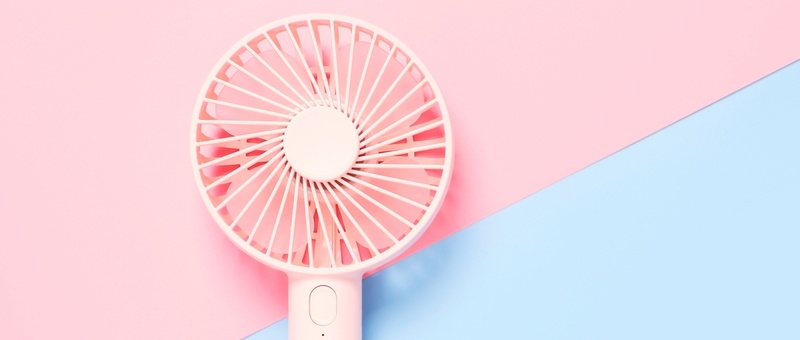
Air conditioning is not available to many of us, but an electric fan can do a decent job to help the air circulate in your bedroom. A fan helps to encourage the evaporation of sweat, which makes it easier for your body to regulate your internal temperature. Putting a tray of ice and a little water in front of the fan can help cool the air even more.
Use a cold water bottle
Filling a hot water bottle with ice cold water and putting it by your feet can help keep you cool.
Change your bedding
Try swapping your usual duvet for a thinner cover. Natural fibres, such as cotton or linen, are more breathable at night. Although you might feel too hot when you go to bed, your body temperature will drop during the night so it can help to have a cover to hand if you feel cold.
Drink enough during the day
Drink plenty of water during the day so you replace what is lost through peeing and sweating to avoid dehydration. The guidelines state to drink between six and eight glasses a day, but you will need to drink more if it’s hot as you will likely sweat more than usual.
Further reading
Patient picks for Summer health

General health and lifestyle
Springtime gardening: tips to prevent strains and sprains
During winter, we generally don’t need to do much to our gardens to keep them in check. As spring arrives, however, young shoots and flower buds start to open, and we suddenly notice - especially the more green-fingered among us - that we’d better start giving our outdoor spaces some much-needed TLC. After several months of reduced activity, suddenly returning to tasks such as weeding, planting, and digging can place unexpected strain on your body. In this guide, we explore how to ease safely back into gardening and reduce your chance of injury through targeted preparation and exercise.
by Victoria Raw

General health and lifestyle
The warning signs of heatstroke and heat exhaustion
Hot weather may be great news for ice cream salesmen, but it can be risky for your health. No one wants to get heat exhaustion (or the more serious heatstroke), so take note of the following tips for staying safe this summer.
by Dr Sarah Jarvis
Frequently asked questions
Why is it important to stay hydrated when it's hot?
Drinking plenty of water during the day helps your body replace fluids lost through sweating and urinating, which prevents dehydration. When it's hot, you'll sweat more than usual, so increasing your fluid intake beyond the recommended six to eight glasses is beneficial.
Should I change what I wear to bed during hot weather?
Yes, it can be helpful to choose pyjamas made from natural fibres like cotton or linen, as these materials are more breathable. You might feel too warm when you first get into bed, but your body temperature will naturally drop during the night. Therefore, it's a good idea to have a light cover or sheet nearby in case you start to feel cold later on.
What’s the best way to use an electric fan to cool my bedroom?
An electric fan can help air circulate in your room and promotes the evaporation of sweat, which aids in regulating your internal body temperature. For an extra cooling effect, you can place a tray of ice with a small amount of water in front of the fan.
How can I prepare my bedroom during the day to keep it cool for night-time sleep?
To prevent heat from building up in your bedroom during the day, keep the curtains or blinds shut. This stops sunlight from beaming in and heating up furniture, which can then radiate warmth and raise the room's temperature.
Does my body temperature naturally change before I sleep, and how does heat affect this?
Yes, your core body temperature naturally cools down before you go to sleep, which contributes to feeling tired. When the environment is too warm, it can disrupt this natural cooling process, making it harder to fall asleep.
About the authorView full bio
Updated by

Lawrence Higgins
Managing editor
BSc, Post Graduate Diploma
Lawrence has worked as both Managing Editor of Patient.info and a contributing author. He is also a member of the Guild of Health Writers.
Authored by

Lydia Smith
Feature writer
BA, MA, MSc
Lydia Smith is an award-winning journalist and feature writer who has written extensively on women's health and mental health. She is currently studying for an MSc in psychology.
About the reviewerView full bio

Dr Krishna Vakharia, MRCGP
Chief Medical Officer for Health, Optum UK
MBChB, MRCGP(2013), BMedSci (hons), DFSRH, DRCOG, PGDipDerm (Distn)
Dr Krishna Vakharia is an NHS GP. She is also a regular examiner for the postgraduate Diploma in Practical Dermatology at Cardiff University as well as being the Chief Medical Officer for health at Optum UK.
Article history
Article also available in English, German, Spanish, French, Italian, Portuguese, Hindi, Hebrew, Arabic, and Swedish.
Next review due: 23 Jul 2027
22 Jul 2024 | Latest version
15 Jun 2023 | Originally published
Authored by:
Lydia Smith
Join the conversation
Share your thoughts or experiences with others in our patient communities.

Ask, share, connect.
Browse discussions, ask questions, and share experiences across hundreds of health topics.

Feeling unwell?
Assess your symptoms online for free
Sign up to the Patient newsletter
Your weekly dose of clear, trustworthy health advice - written to help you feel informed, confident and in control.
By subscribing you accept our Privacy Policy. You can unsubscribe at any time. We never sell your data.