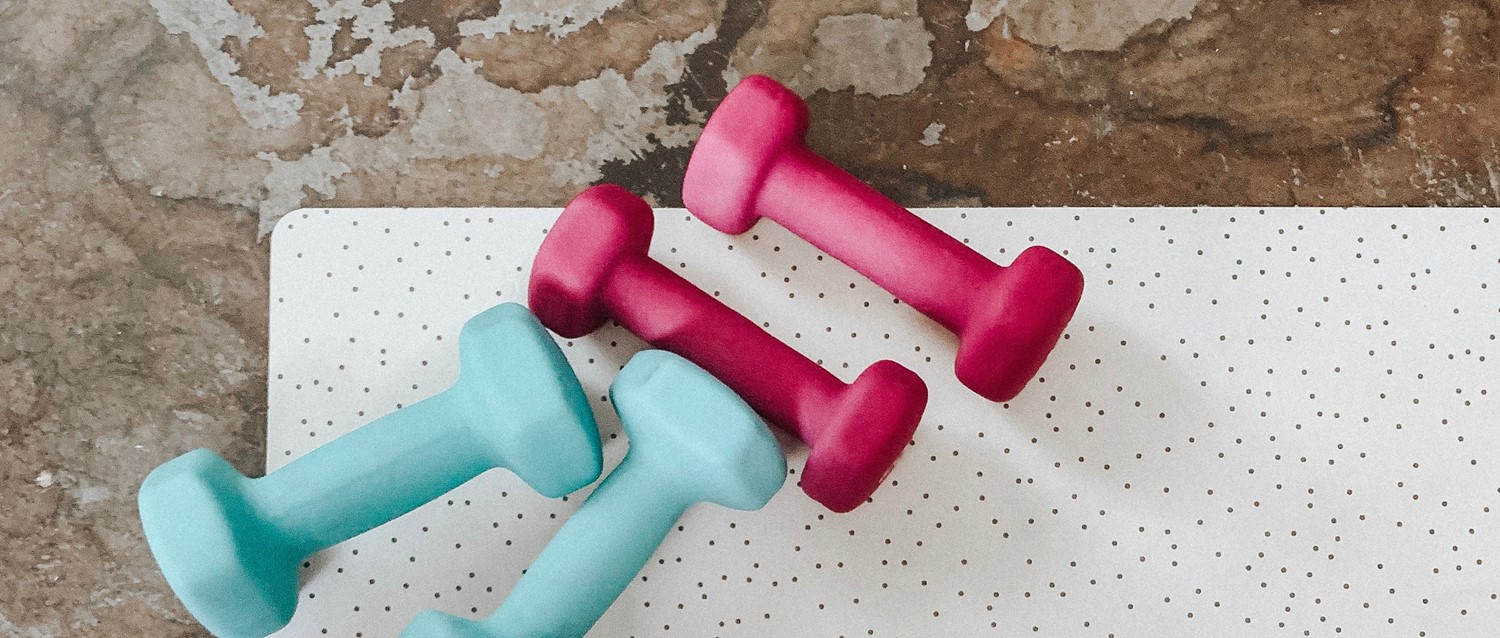
Workplaces should help staff get fit to reduce sick days
Peer reviewed by Natalie HealeyAuthored by Natalie HealeyOriginally published 6 Jun 2019
Meets Patient’s editorial guidelines
- DownloadDownload
- Share
- Language
- Discussion
- Audio Version
- Add to preferred sources on Google
Employers should do more to encourage staff to be more active during the working day, to tackle obesity levels and boost staff satisfaction, according to health officials.
Bosses should make employees aware of lunchtime fitness classes, offer subsidised gym memberships and encourage using the stairs instead of the lift, says health regulator the National Institute for Health and Care Excellence (NICE).
The organisation has issued new guidance as part of a wider aim to reduce sedentary behaviour in the UK.
Workplaces should also provide information about safe active travel routes to work, and introduce company exercise programmes to improve employee health and boost happiness and productivity levels.
More than 131 million working days were lost to sickness in 2017, including 13 million working days lost to stress, depression or anxiety, according to figures from the Office for National Statistics. NICE believes focusing on physical activity is key to reducing this figure.
Professor Gillian Leng, deputy chief executive and director of health and social care at NICE, said: "Simple things like providing secure bicycle storage, showers and changing facilities can go a long way to enabling people to cycle to work or to meetings. We need people to change their lifestyle and to take more exercise. If they can do this during the working day, not only will they benefit, but so too will their employers and the NHS. It's a win, win for everyone."
One in four people are now classed as obese, according to 2016 data, compared to one in six in 1993. Public Health England says physical inactivity is as deadly as smoking, as it is estimated to be responsible for one in six deaths.
Sarah Ruane, strategic lead for health at Sport England, said: "Research shows that to make getting active easy for people, we need to provide attractive and affordable opportunities that are easy to fit into their lives. We believe that the environments in which people live, work and travel can provide the right conditions for people to be more physically active."
Patient picks for Workplace health

General health and lifestyle
How does IBS affect people at work?
Balancing work with irritable bowel syndrome (IBS) can pose great challenges, particularly as IBS is often linked to anxiety and stress. IBS symptoms can take a real toll on a person's physical and mental well-being, especially when they might require accommodations but feel too embarrassed to confide in colleagues or employers who don't understand.
by Emily Jane Bashforth

General health and lifestyle
What health benefits could a four-day working week have?
The past couple of years have seen widespread changes for many companies, with practices such as working from home becoming the norm. In addition to changes implemented due to lockdowns, some companies are beginning to run trials that assess the effects of a four-day working week. This concept effectively offers employees the same salaries for spending less time at the office.
by Emily Jane Bashforth
About the authorView full bio
Authored by

Natalie Healey
Freelance journalist
BSc (Hons) Biomedical Science
She is a London-based health journalist who has been writing about science and medicine for several years. She is the former head of editorial at Patient.
About the reviewerView full bio
Natalie Healey
Freelance journalist
BSc (Hons) Biomedical Science
She is a London-based health journalist who has been writing about science and medicine for several years. She is the former head of editorial at Patient.
Article history
Article also available in English, German, Spanish, French, Italian, Portuguese, Hindi, Hebrew, Arabic, and Swedish.
6 Jun 2019 | Originally published
Authored by:
Natalie HealeyPeer reviewed by
Natalie Healey
Join the conversation
Share your thoughts or experiences with others in our patient communities.

Ask, share, connect.
Browse discussions, ask questions, and share experiences across hundreds of health topics.

Feeling unwell?
Assess your symptoms online for free
Sign up to the Patient newsletter
Your weekly dose of clear, trustworthy health advice - written to help you feel informed, confident and in control.
By subscribing you accept our Privacy Policy. You can unsubscribe at any time. We never sell your data.