Can Pilates help calm your nervous system? 3 simple moves to try
Peer reviewed by Dr Colin Tidy, MRCGPAuthored by Victoria RawOriginally published 12 Oct 2026
Meets Patient’s editorial guidelines
- DownloadDownload
- Share
- Language
- Discussion
- Audio Version
- Add to preferred sources on Google
We’re hearing a lot at the moment about the sympathetic nervous system and the important role it can play in your mental wellbeing. When it’s activated too often, it can leave you feeling stuck in a constant fight-or-flight mode. That’s why it’s so important to find ways to help calm your nervous system and bring your body back to a more relaxed state.
One way you can support this is through Pilates, which can help promote relaxation, mindful movement, and a greater sense of calm.
What happens when your body is in fight-or-flight?
There are two main branches of your autonomic nervous system - the sympathetic and parasympathetic nervous systems.
Your parasympathetic nervous system helps your body relax and settle into a ‘rest and digest’ state. Your sympathetic nervous system, on the other hand, kicks in when your body senses a threat, increasing alertness and preparing you for action - your ‘fight or flight’ response.
As part of this response, your body releases stress hormones such as adrenaline and cortisol to help you respond to danger.
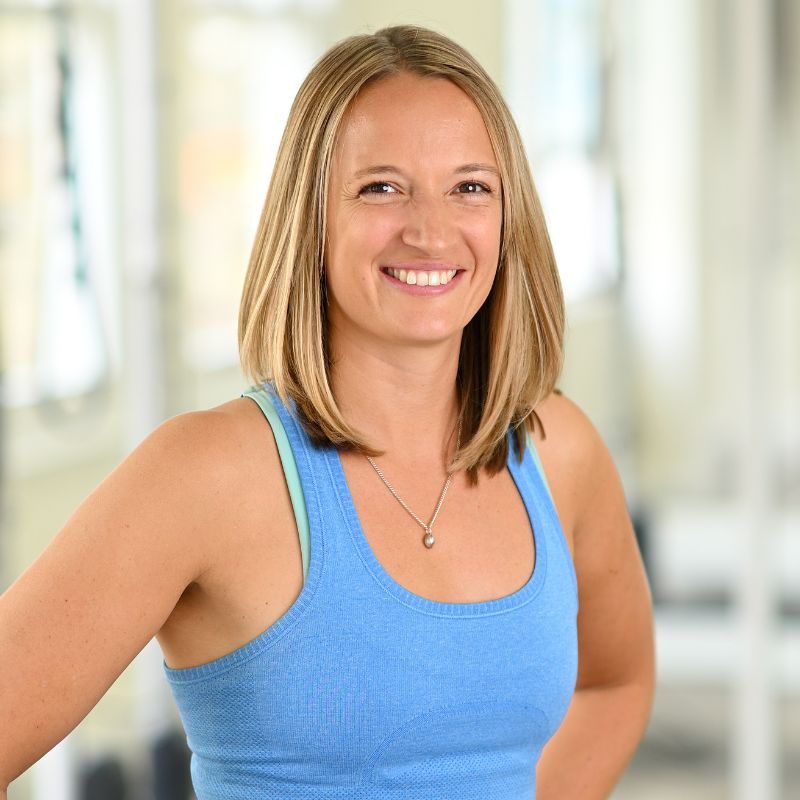
Helen O’Leary, Physiotherapist and Clinical Pilates Expert at Complete Pilates in London, explains that the fight-or-flight response is useful in the short term, helping your body prepare to react quickly when faced with danger. However, if this response is activated too often or for too long, it can leave you feeling tense, tired, and constantly on alert.
“In fight-or-flight, your sympathetic nervous system becomes more active,” she says. “Your heart rate and breathing may increase, muscles brace, and attention becomes more focused on potential threat.
“Over time, this heightened state can also affect systems that are less essential during immediate threat - including digestion, sleep, and recovery. People may notice bloating or stomach upset, jaw or shoulder tension, difficulty switching off, disrupted sleep, fatigue, and feeling constantly ‘on edge.’”
Helen O'Leary
Signs your body may be spending too much time in fight-or-flight
Certain physical symptoms can accompany the heightened fear, anxiety, and feeling of being unable to relax that come with being stuck in long-term fight-or-flight mode.
O’Leary highlights some of the most common:
Muscle and jaw tension - raised shoulders, tight neck/chest, or teeth grinding.
Breathing changes - shallow chest breathing or holding your breath.
Restlessness and fatigue - feeling fidgety and ‘wired’, yet physically exhausted.
Digestive and sleep shifts - stomach upset, bloating, or waking up tense.
O’Leary adds that these symptoms do not automatically mean your nervous system is stuck in fight-or-flight.
“Muscle tension, headaches, jaw pain, and poor sleep can have many causes,” she says. “A better way to describe it is that your nervous system may be spending more time in a heightened or protective state than is helpful. The word ‘stuck’ can also have negative connotations, which may put people under even more pressure.
“The aim isn’t to eliminate stress, but to help your body become better at moving between activation and recovery. Breathing, movement, sleep, exercise, reassurance, and gradually rebuilding confidence in your body can all help support this regulation.”
Can Pilates help calm your nervous system?
If you’re thinking about trying Pilates, it’s worth doing a little research first. If you’re new to exercise or have any concerns, you should seek guidance from a qualified health professional. You could also try a class with an experienced instructor who can guide you through the movements.
There are several elements of Pilates that may help you feel calmer and more regulated. These include gentle stretching, mindful movement, controlled breathing, and taking the time to focus on how your body feels.
O’Leary explains that deep, controlled breathing during Pilates may help shift your body away from a heightened fight-or-flight response and towards a calmer, more relaxed state.
“Slower, controlled breathing, particularly a longer exhale, can increase parasympathetic activity - partly via the vagus nerve, which helps reduce your heart rate and physical tension,” she says.
“A slow breath out also gives your brain feedback that there is no immediate threat. That can help your body turn down its internal alarm system, making it easier to relax your muscles, reduce shallow chest breathing, and feel more settled and in control.”
Pilates vs high-intensity exercise
O’Leary notes that some of the benefits Pilates may offer for nervous system regulation can also be found in other forms of exercise - such as higher-intensity workouts.
“For someone who already feels tense, exhausted, or wired, gentle, physio-led Pilates can be a helpful starting point," she explains. It combines controlled movement, breathing, and lower-intensity loading, which may help reduce muscle tension and support nervous system regulation. It can act as a ‘down-regulator’ or circuit breaker when stress levels are high.
“That doesn’t mean high-intensity exercise isn’t beneficial. If someone enjoys it and recovers well, it can be a great form of movement. But when you’re already highly stressed, adding more physical intensity can sometimes feel like another stressor. The key is finding movement that helps you feel better afterwards, rather than leaving you feeling more depleted.”
3 Pilates moves to help you feel calmer
If you’d like to try some simple Pilates moves that could help you feel calmer and more regulated, O’Leary shares her top recommendations as a clinical Pilates expert.
Pelvic tilts
Lie on your back with your knees bent and feet flat on the floor. Roll your pelvis backwards and forwards, letting each movement flow with your breath so that you naturally slow it down.
You can then try moving from side to side and around in a full circle, like a clock. Try to make the movement smooth and fluid, taking your time as you move around it.
Book openings
Lie on your side with your head supported, knees bent, and stacked on top of each other. Take your top arm up and over so that your body gently twists around, allowing your head to follow. Pause there and take a few deep breaths, letting your body sink further into the stretch with each breath.
Cat-cow
On all fours, take the weight into your legs, tuck your tailbone under and arch your back towards the ceiling. As you inhale, let your tailbone move in the opposite direction and allow your stomach to drop towards the floor. Try to move in each direction with a long, slow breath, counting to 3-6 for each movement.
“You can tell they are helping if your breathing becomes slower, your jaw and shoulders soften, your movements feel less rushed, and you feel more settled rather than more tired or tense,” says O’Leary. “The aim is not to force relaxation, but to give your body enough calm, controlled input that it can gradually reduce its level of alertness.”
O’Leary concludes by advising you to slow down and bring your focus back to your breathing and control if you notice certain symptoms. These can include shallow breathing, raised shoulders, jaw tension, gripping through the hands, rushing your movements, holding your breath, or feeling unusually tired or anxious.
“The aim is to keep your body feeling safe and supported, rather than pushing through when your nervous system is already overloaded,” she says.
“The first step is usually to reduce the sense of threat. Slow your breathing, ease the pace of movement, and choose something gentle that helps your body feel safe and in control. Once that happens, relaxation tends to follow more naturally.”
Patient picks for Mental wellbeing
Healthy living
Is Pilates good for weight loss?
Pilates is known for its ability to improve bodily strength, flexibility, and stamina. However, as with all exercise, it can also be effective for weight loss. The key to using Pilates for weight loss is to practise regularly and fuel this exercise with a well-balanced, nutritious diet that allows you to create a healthy calorie deficit.
by Lynn Stephen
Healthy living
What is Reformer Pilates and why is it so popular?
Pilates is a form of exercise that focuses on controlled movements and breathing to enhance strength, posture, and balance. Unlike Mat Pilates, Reformer Pilates uses specialised equipment to give a more complete full-body workout. Here, we look at the differences between the two and explore how Reformer Pilates can impact your physical health.
by Victoria Raw
About the authorView full bio
Authored by

Victoria Raw
Feature Writer
BA (Hons), English Literature
Victoria is a content writer at Patient, with special interests spanning mental wellbeing, societal trends and the impact of technology on our health.
About the reviewerView full bio

Dr Colin Tidy, MRCGP
General Practitioner, Medical Author
MBBS, MRCGP, MRCP (Paediatrics), DCH
Dr Colin Tidy is an NHS Doctor, based in Oxfordshire.
Article history
Article also available in English, German, Spanish, French, Italian, Portuguese, Hindi, Hebrew, Arabic, and Swedish.
Next review due: 12 Oct 2029
12 Oct 2026 | Originally published
Authored by:
Victoria RawPeer reviewed by
Dr Colin Tidy, MRCGP
Join the conversation
Share your thoughts or experiences with others in our patient communities.
Ask, share, connect.
Browse discussions, ask questions, and share experiences across hundreds of health topics.
Feeling unwell?
Assess your symptoms online for free
Sign up to the Patient newsletter
Your weekly dose of clear, trustworthy health advice - written to help you feel informed, confident and in control.
By subscribing you accept our Privacy Policy. You can unsubscribe at any time. We never sell your data.