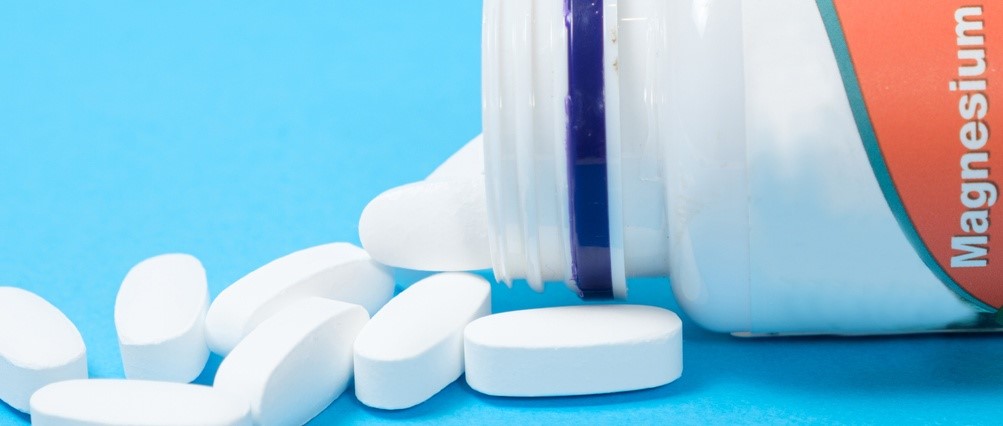
Can magnesium help with anxiety?
Peer reviewed by Dr Krishna Vakharia, MRCGPLast updated by Lydia SmithLast updated 12 Dec 2023
Meets Patient’s editorial guidelines
- DownloadDownload
- Share
- Language
- Discussion
- Audio Version
- Add to preferred sources on Google
TikTok is full of claims over the health benefits of magnesium, including that it can help relieve anxiety - something many of us struggle with, especially around Christmas. As anxiety is so common, it's understandable that people turn to different methods to deal with it. But are the claims made on social media backed by science?
Mental health support for adults and children
Online CBT and psychological therapy for adults and children aged 8–17. Onebright’s accredited clinicians support people experiencing anxiety, depression and other emotional challenges.
Does magnesium help reduce anxiety?
Magnesium is an essential mineral found in the body. It plays an important role in helping parts of the body run smoothly, including the heart, bones, muscles and nerves.
It also supports the neurological mechanisms that, when not working properly, may contribute to the development of mental health issues like depression and anxiety1. For example, magnesium helps to regulate neurotransmitters, which sends messages throughout the brain and body.
Magnesium may also be beneficial because it affects the levels of cortisol, a stress hormone, in the body. Lowering cortisol may help to relieve stress and anxiety2.
Some studies have found a link between magnesium and anxiety, but the research is mixed. A systematic review of 32 studies found that people with depression and other psychiatric conditions, like anxiety and obsessive compulsive disorder, were more likely to have lower magnesium levels3. It also found that magnesium had some benefits on mild depression and anxiety, but not generalised anxiety disorder or panic disorder.
A separate review of research papers found that magnesium supplementation - for example, taking magnesium in the form of capsules - appeared to ease symptoms of mild anxiety and anxiety linked to premenstrual syndrome4. According to the researchers, this may be because magnesium helps to improve brain function. However, they also highlighted that many of the studies they looked at were of poor quality - including being based on unreliable self-reporting - so better research involving controlled trials is needed.
Psychiatrist Gregory Scott Brown, an affiliate faculty member at the University of Texas Dell Medical School and author of The Self-Healing Mind, says that while there is some research looking into the relationship between magnesium and mental health, it hasn't proven anything. And as always, caution should be used when it comes to health advice on TikTok.
We need to be careful about getting medical advice from social media platforms, including TikTok because there's a lot of misinformation on these sites and the science isn't always accurately reflected," he says.
"It helps when the person on social media discussing a new medication or supplement has experience working with patients, is a qualified health professional, and has expertise in the field," he adds. "However, even in these cases, sometimes inaccurate information can spread broadly. Always discuss medications or supplements with your doctor when you can."
Can magnesium help improve sleep?
Research has found a connection between magnesium supplementation and sleep quality, but like the anxiety research, the studies don't show a cause-and-effect relationship. In other words, there may be a link, but it doesn't mean that taking magnesium will give you a better night's sleep.
One review found that magnesium may help people fall asleep slightly quicker, but didn't find that people slept any longer than normal5. Another study of 4,000 people found that taking magnesium led to a borderline improvement in sleep quality, but not in people with depression6.
What types of magnesium are available?
Magnesium is available in a variety of different types, some of which are more easily absorbed by the body than others.
Magnesium citrate
This type of magnesium, which is commonly found in supplements, is bound with citric acid. It is easily absorbed by the body via the digestive tract and is sometimes used to treat constipation because it has a laxative effect.
Magnesium glycinate
Magnesium glycinate is formed by combining magnesium with the amino acid glycine. Research suggests that glycine may help improve sleep7.
Magnesium malate
This type combines magnesium with malic acid, which is found in fruits like rhubarb. Studies suggest it is more easily absorbed by the body than other supplements8.
Magnesium taurate
This type contains a combination of magnesium and taurine, an amino acid with anti-inflammatory properties.
Magnesium threonate
Magnesium threonate contains threonic acid, a compound that is produced from the breakdown of vitamin C.
What foods are high in magnesium?
Some good food sources of magnesium include: Almonds, avocados, bananas, breakfast cereals, brown rice, peanuts, leafy greens like spinach, beans, tuna and yoghurt.
How to treat anxiety
The two main treatments for anxiety are psychotherapy and medications. Some people may find the two work best in combination with each other, but it depends on the individual and their needs. If you are struggling with anxiety, you should speak to your doctor who can advise the best course of treatment for you.
Further reading
Patient picks for Anxiety

Mental health
Why your anxiety at night can feel so intense
Anxiety can affect every part of our lives, but anxiety at night can often feel much worse than in the day - stopping us from falling asleep, or waking us in the early hours of the morning. Not only is this exhausting and frustrating, but poor sleep can leave us feeling more anxious the next day.
by Lydia Smith

Mental health
Can anxiety cause cancer?
A 2016 study of 16,000 UK men and women over 40 found that men suffering from severe anxiety were more than twice as likely to die from cancer as those who didn’t. Research subjects were tracked for 15 years, and their anxiety levels correlated with the likelihood of them developing cancer. Interestingly, no similar connection was found in women.
by Dr Sarah Jarvis
About the authorView full bio
Updated by

Lydia Smith
Feature writer
BA, MA, MSc
Lydia Smith is an award-winning journalist and feature writer who has written extensively on women's health and mental health. She is currently studying for an MSc in psychology.
Authored by
Lydia Smith
Feature writer
BA, MA, MSc
Lydia Smith is an award-winning journalist and feature writer who has written extensively on women's health and mental health. She is currently studying for an MSc in psychology.
About the reviewerView full bio

Dr Krishna Vakharia, MRCGP
Chief Medical Officer for Health, Optum UK
MBChB, MRCGP(2013), BMedSci (hons), DFSRH, DRCOG, PGDipDerm (Distn)
Dr Krishna Vakharia is an NHS GP. She is also a regular examiner for the postgraduate Diploma in Practical Dermatology at Cardiff University as well as being the Chief Medical Officer for health at Optum UK.
Join the conversation
Share your thoughts or experiences with others in our patient communities.

Ask, share, connect.
Browse discussions, ask questions, and share experiences across hundreds of health topics.

Feeling unwell?
Assess your symptoms online for free
Sign up to the Patient newsletter
Your weekly dose of clear, trustworthy health advice - written to help you feel informed, confident and in control.
By subscribing you accept our Privacy Policy. You can unsubscribe at any time. We never sell your data.