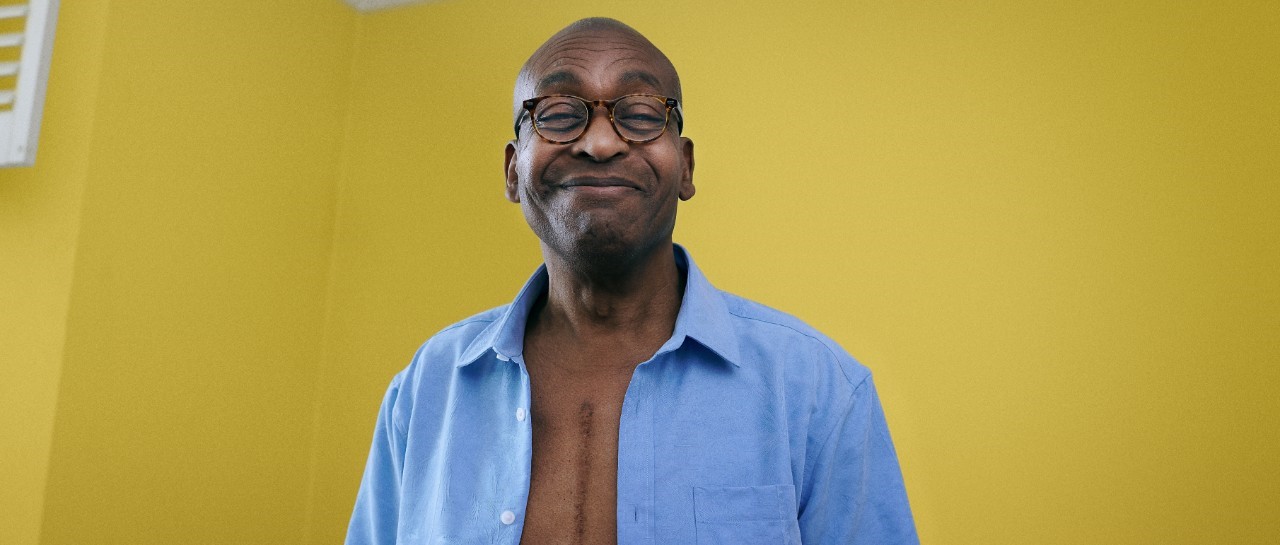
New campaign helps people with chronic conditions get active
Peer reviewed by Natalie HealeyAuthored by Natalie HealeyOriginally published 29 Aug 2019
Meets Patient’s editorial guidelines
- DownloadDownload
- Share
- Language
- Discussion
- Audio Version
- Add to preferred sources on Google
New research shows 69% of people in England with long-term health conditions say they want to be more active. But this group is twice as likely as the general population to avoid physical activity.
Fifteen major health charities, including Age UK and The Stroke Association, have come together to launch new campaign We Are Undefeatable, following the success of Sport England's This Girl Can initiative.
The campaign is being launched to support the one in four (that's 15 million people in England) who live with one or more long-term health conditions, such as diabetes, cancer and arthritis.
People with chronic conditions are twice as likely to be inactive, even though there's plenty of evidence which shows physical activity can help in the management of many health problems.
In a survey of over 100 adults, 69% of people with one or more conditions said they want to be more active. But the results revealed this group felt they face barriers to exercising, including lack of energy (36%) and pain (40%). Over a quarter of participants said the unpredictable nature of their condition made it hard to commit to a routine.
Dr Zoe Williams, media GP and Public Health England's Physical Activity Champion, said: "I see people every day in my surgery who are unsure how to become more active whilst managing their long-term health condition. The evidence base for physical activity in the management of long-term conditions is extremely compelling and I love how this campaign highlights that even small amounts of regular physical activity can significantly improve people's physical health, and also their mental and psychological well-being."
We Are Undefeatable support packs will be distributed to every GP surgery and community pharmacy in England. They will include inspiration and tips on how to get active in ways that suit people with chronic conditions.
Television presenter Dominic Littlewood, who has type 1 diabetes, said: "Living with a long-term health condition changes your life. But I've learnt that you can't let this defeat you. I've never been a gym person, so for me, getting active is all about taking things back to basics. I love walking, cycle, and always make an effort to take the stairs instead of a lift. I'm incredibly proud to be supporting this campaign and I hope I can inspire others to become more active."
Patient picks for Exercise and physical activity
Healthy living
HIIT or weights: which is best for weight loss?
With so many exercises to choose from, planning a new exercise regime for weight loss can be daunting. HIIT and weight training exercises are two of the most popular and effective exercises for weight loss. Used in combination, you can burn fat and increase your resting metabolic rate in a time-efficient manner.
by Amberley Davis
Healthy living
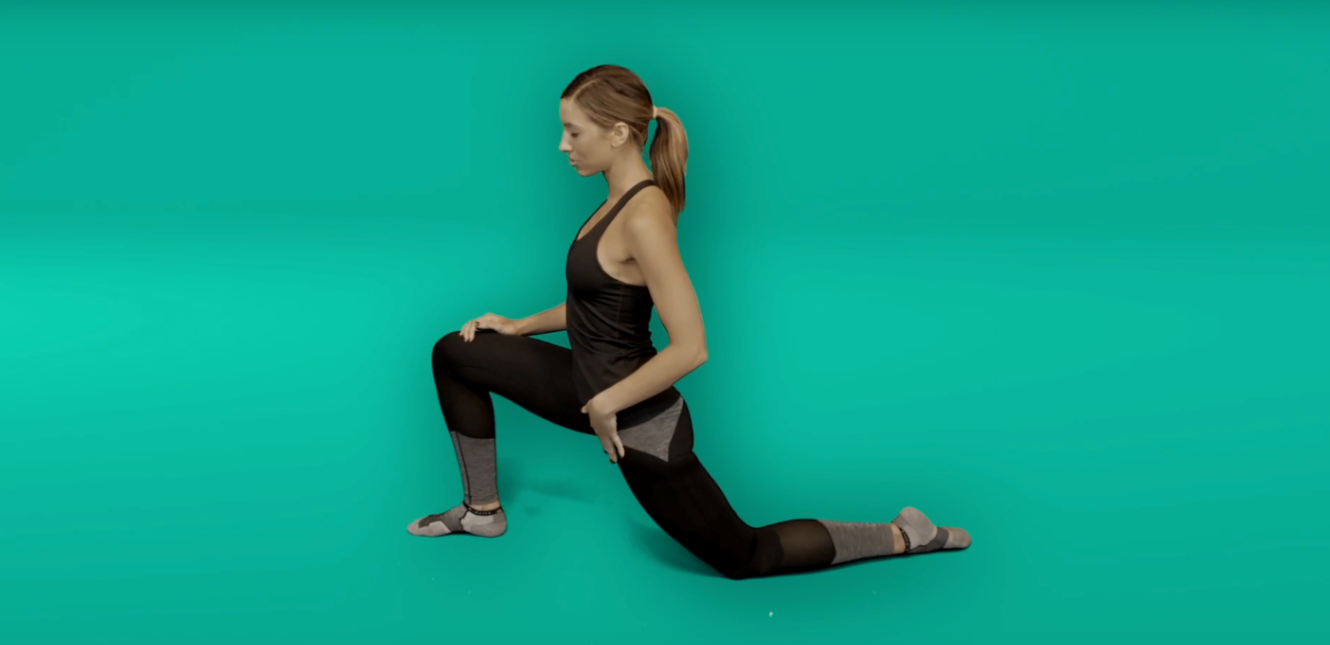
Video: Hip pain exercises
Hip injuries are common in all age groups. The most common cause of chronic (long-standing) hip pain in adults is osteoarthritis. Because the hip is such a complex joint, hip pain can be caused by many different things including: muscular injuries; ligament injuries; bursa injuries; cartilage tears; bone problems; fractures; reduced blood flow to the hip joint; or infection.
by Lilly Sabri, MHPC
About the authorView full bio

Natalie Healey
Freelance journalist
BSc (Hons) Biomedical Science
She is a London-based health journalist who has been writing about science and medicine for several years. She is the former head of editorial at Patient.
About the reviewerView full bio
Natalie Healey
Freelance journalist
BSc (Hons) Biomedical Science
She is a London-based health journalist who has been writing about science and medicine for several years. She is the former head of editorial at Patient.
Article history
Article also available in English, German, Spanish, French, Italian, Portuguese, Hindi, Hebrew, Arabic, and Swedish.
29 Aug 2019 | Originally published
Authored by:
Natalie HealeyPeer reviewed by
Natalie Healey
Join the conversation
Share your thoughts or experiences with others in our patient communities.

Ask, share, connect.
Browse discussions, ask questions, and share experiences across hundreds of health topics.

Feeling unwell?
Assess your symptoms online for free
Sign up to the Patient newsletter
Your weekly dose of clear, trustworthy health advice - written to help you feel informed, confident and in control.
By subscribing you accept our Privacy Policy. You can unsubscribe at any time. We never sell your data.
More in healthy living
- 7 morning stretches to get you ready for the day
- Can antidepressants cause vivid dreams?
- Can counselling help you decide when or whether to have children?
- Can spending time in nature benefit your mental health?
- CBT for insomnia: how does it work?
- Debunking transgender stereotypes and myths
- Does alcohol cause cancer?
- Fun ways to keep fit without even realising it
- How peer support can help boost your mental health
- How to do Pilates at home
- How to fix your sleep schedule with a healthy bedtime routine
- How to get into swimming safely for beginners
- How to look after your mental health at university
- Is going sober becoming a trend?
- Is it really worth tracking your sleep?
- The benefits of switching up your exercise
- What are the mental health benefits of making your bed in the morning?
- What is rucking and is it right for you?
- What to do if you feel lonely
- Why losing weight can cause hair loss - and what to do about it