
Could a cure for the common cold be on the horizon?
Peer reviewed by Natalie HealeyAuthored by Ashwin BhandariOriginally published 17 Sept 2019
Meets Patient’s editorial guidelines
- DownloadDownload
- Share
- Language
- Discussion
- Audio Version
- Add to preferred sources on Google
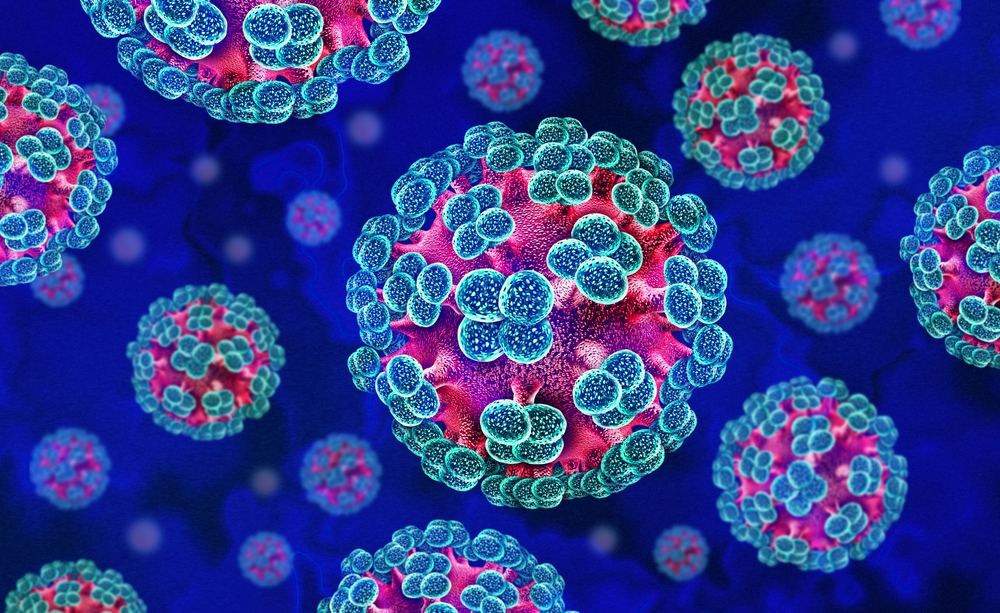
Scientists may have found a way to stop the common cold virus in its tracks.
Tackling the common cold continues to be a challenge.
Most colds are caused by rhinoviruses, but there are around 160 different types and they mutate so easily they rapidly become resistant to drugs, or learn to hide from the immune system.
Scientists from UCSF (University of California, San Francisco) and Stanford University believe that they have found a way to stop the common cold and closely-related viruses.
By using a technique called gene-editing, the researchers were able to reprogramme human and mice cells to stop making a protein that allows the virus to replicate.
Lead researcher Jan Carette, professor of microbiology at Stanford University in California, said: "Our grandmas have always been asking us, 'If you're so smart, why haven't you come up with a cure for the common cold?' Now we have a new way to do that."
Published in Nature Microbiology, Carette and his colleagues found that switching off the protein known as methyltransferase SETD3 meant the virus couldn't replicate and died off.
The scientists then created genetically modified mice which were completely unable to produce that protein. The findings showed that these mice were healthy, despite lacking the protein for their whole lives.
"In contrast to normal mice, the SETD3-deficient mice were completely unaffected by the virus," Carette said. "It was the virus that was dead in the water, not the mouse."
However, the trials are not ready to be tested on humans just yet.
There are no plans to 'gene edit' humans to prevent colds. Instead, the task will be to identify a drug that can achieve the same effect by temporarily suppressing the protein.
For most people, the common cold is more of an inconvenience than a major threat to their health. However, in people with asthma, it can make their symptoms much worse.
Professor Jonathan Ball, a virologist at the University of Nottingham, cautioned that more research is needed to know the approach is safe.
"There is increasing interest in developing treatments that target these host proteins, because it can potentially overcome virus mutation - one of the major barriers to developing effective broadly active antivirals," Ball told the BBC. "But of course, viruses are very adaptable and it is conceivable that even a host-targeting treatment might not keep them at bay for long."
The study's findings are published in Nature Microbiology.
Patient picks for Viral infections
Infections
What is Hantavirus? Everything you need to know about this rare but serious virus
Hantavirus is making headlines again, after a cluster of serious illnesses linked to an expedition cruise ship prompted investigations by the World Health Organization. But what is Hantavirus - and is it something you need to worry about?
by Thomas Andrew Porteus, MBCS

Infections
Should you wear a face mask if you have a cold this winter?
Wearing a face mask has become common practice for many of us throughout the pandemic. Wearing face coverings in indoor spaces has helped reduce the spread of COVID-19, but they are now worn less as vaccines have been rolled out and masks are no longer a legal requirement. But as winter approaches and people start to catch colds, could keeping our masks on help us stay well?
by Emily Jane Bashforth
About the authorView full bio
Authored by

Ashwin Bhandari
Medical Writer
BA Journalism
About the reviewerView full bio

Natalie Healey
Freelance journalist
BSc (Hons) Biomedical Science
She is a London-based health journalist who has been writing about science and medicine for several years. She is the former head of editorial at Patient.
Article history
Article also available in English, German, Spanish, French, Italian, Portuguese, Hindi, Hebrew, Arabic, and Swedish.
17 Sept 2019 | Originally published
Authored by:
Ashwin BhandariPeer reviewed by
Natalie Healey
Join the conversation
Share your thoughts or experiences with others in our patient communities.

Ask, share, connect.
Browse discussions, ask questions, and share experiences across hundreds of health topics.

Feeling unwell?
Assess your symptoms online for free
Sign up to the Patient newsletter
Your weekly dose of clear, trustworthy health advice - written to help you feel informed, confident and in control.
By subscribing you accept our Privacy Policy. You can unsubscribe at any time. We never sell your data.