
Dr Amir Khan on kindness, community and caring for mind and body
Authored by Matt Jameson & Christine TalbotOriginally published 6 Jan 2026
Meets Patient’s editorial guidelines
- DownloadDownload
- Share
- Language
- Discussion
- Audio Version
- Add to preferred sources on Google
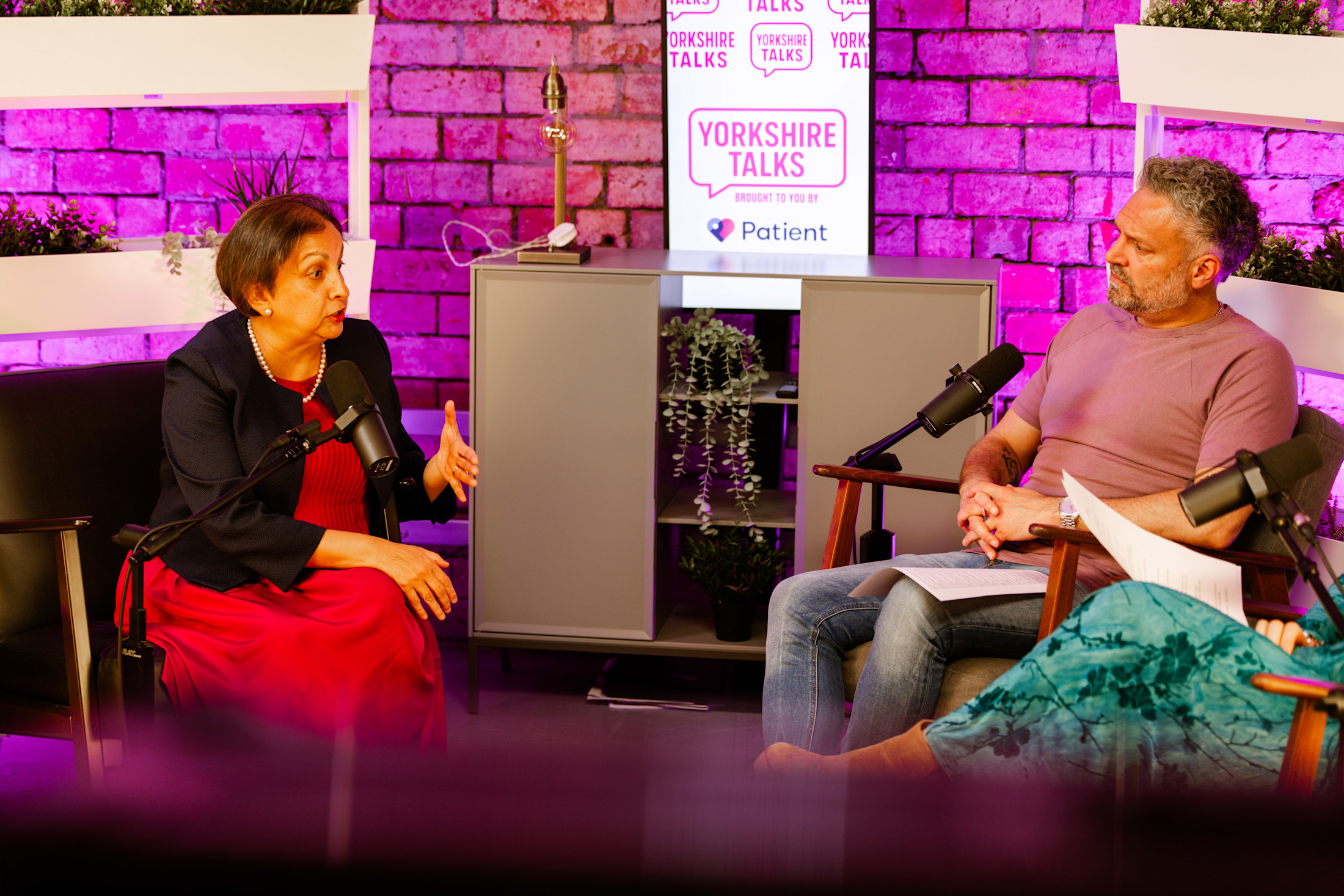
Some conversations remind us why healthcare is, at its heart, about people. This episode of Yorkshire Talks does exactly that.
Matt Jameson and Christine Talbot are joined by Dr Amir Khan, the GP millions recognise from ITV. Warm, approachable and endlessly reassuring on screen, Amir is just as thoughtful and engaging away from the cameras. What unfolds is a funny, honest and deeply human conversation about medicine, identity, kindness and what it really means to care for others.
Growing up, belonging and finding your place
For the first time, Amir speaks openly about his childhood in Bradford, growing up as the only brother in a lively Muslim family of six sisters. He reflects on the strength and humour of his upbringing, shaped by family, faith and the now famous presence of Mama Khan, whose warmth and wisdom continue to ground him.
These early experiences, Amir explains, played a huge role in shaping his values as a doctor. Growing up in a close knit, community focused environment helped him understand the importance of listening, empathy and cultural awareness. Skills that matter just as much in a consulting room as medical knowledge.
Life as an NHS GP behind the TV cameras
While many people know Amir from television, he remains a full time NHS GP. In this episode, he talks candidly about balancing media work with frontline clinical care, and why staying connected to patients is essential to who he is.
He speaks about caring for some of the most vulnerable people in society and the responsibility that comes with that role. About the emotional weight GPs carry. About the small interactions that stay with you long after a clinic ends. Amir’s reflections offer a rare insight into the realities of modern general practice and the quiet resilience required to keep showing up.
Laughter, honesty and the human side of medicine
There is plenty of laughter throughout the conversation. Amir reveals his mischievous side, including a cheeky white lie told early in his career, and a prank involving a urine sample that still makes him cringe. These moments of humour matter. They remind us that doctors are human too, navigating nerves, embarrassment and learning curves just like everyone else.
By sharing these stories, Amir gently breaks down the invisible barrier that often exists between patients and clinicians. Trust, he believes, grows when people feel safe enough to be themselves.
Health beyond prescriptions
As the conversation deepens, Amir speaks passionately about health as something broader than diagnosis or medication. He talks about kindness as a health intervention in its own right. About community as a protective factor against loneliness and poor mental health. About compassion as something that benefits both the person receiving care and the person giving it.
He also shares his love of animals and nature, and how spending time outdoors helps him reset and stay grounded. These reflections echo growing evidence that connection with nature, routine and simple pleasures can have a meaningful impact on wellbeing.
Powering up the brain
Amir also offers practical advice on keeping the brain healthy, drawing on both clinical knowledge and everyday habits. He talks about the importance of sleep, staying curious, social connection and movement. Small, sustainable actions that support cognitive health across the lifespan.
Rather than presenting quick fixes, Amir emphasises consistency and kindness towards yourself. Health, he reminds us, is built gradually through daily choices, not perfection.
A doctor people trust
What makes this episode so compelling is the balance between warmth and substance. Amir is funny, reflective and deeply sincere. He speaks with clarity about the challenges facing healthcare, but also with hope about what still works. Human connection. Compassion. Community.
This conversation reveals the man behind the TV doctor. A GP who takes his responsibility seriously. A son shaped by family. A clinician who believes that listening is one of the most powerful tools in medicine.
Patient picks for Yorkshire Talks
Podcasts
Dr Agam Jung: Caring for Rob Burrow & Building the MND Centre
Christine and Matt chat to the consultant neurologist who became known across the UK and beyond for the exceptional care she gave rugby league legend Rob Burrow following his motor neurone disease diagnosis.
by Matt Jameson & Christine Talbot

Podcasts
Claire Warren on motherhood, mum guilt and letting go of perfection
Modern motherhood can feel overwhelming. The advice is endless, the expectations are high, and the pressure to get everything right can quietly erode confidence and wellbeing. This episode of Yorkshire Talks offers something many parents rarely get. Permission to breathe. Matt Jameson and Christine Talbot are joined by Claire Warren, the award-winning creator behind My Kinda Mum. With more than half a million followers across Instagram and Facebook, Claire has built a community around honest, funny and deeply relatable reflections on parenting. Not the polished version. The real one. This conversation is warm, candid and reassuring. It explores motherhood as it is actually lived, messy, joyful, exhausting and often full of self doubt.
by Matt Jameson & Christine Talbot
About the authorView full bio
Authored by
Matt Jameson & Christine Talbot
Podcast Hosts
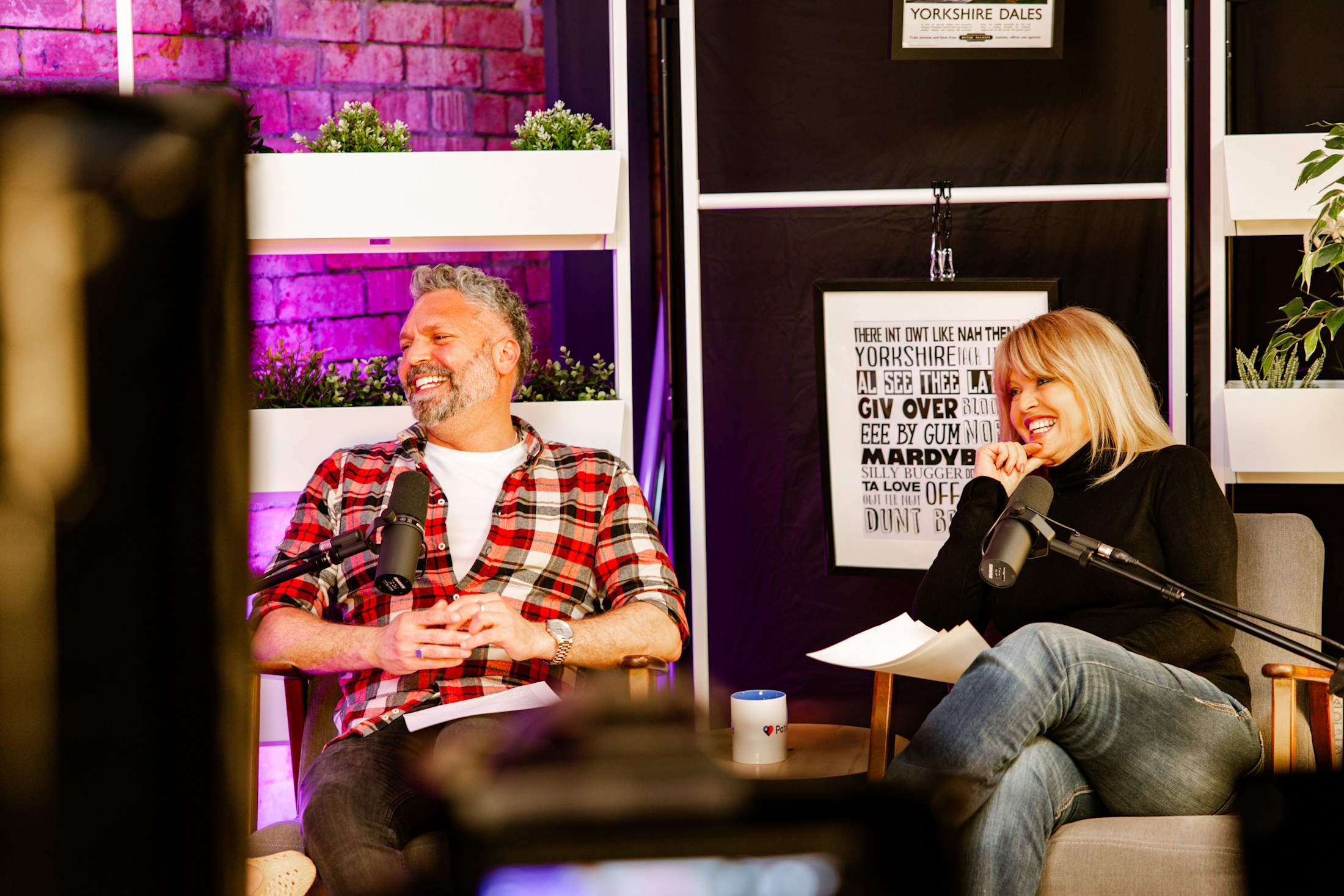
Christine spent 30 years as the trusted co-anchor of ITV Yorkshire's nightly Calendar news, becoming one of the most recognisable voices in the region.
Matt rose to fame as one half of the first-ever LGBTQ+ couple to feature on Channel 4's hugely popular reality show Married at First Sight UK. Together they make an unlikely but irresistible double act, sharp, warm and never short of a story.
Join the conversation
Share your thoughts or experiences with others in our patient communities.

Ask, share, connect.
Browse discussions, ask questions, and share experiences across hundreds of health topics.

Feeling unwell?
Assess your symptoms online for free
Sign up to the Patient newsletter
Your weekly dose of clear, trustworthy health advice - written to help you feel informed, confident and in control.
By subscribing you accept our Privacy Policy. You can unsubscribe at any time. We never sell your data.