
How does Mounjaro work for weight loss?
Peer reviewed by Dr Colin Tidy, MRCGPAuthored by Dr Nienke LeesOriginally published 14 Jun 2026
Meets Patient’s editorial guidelines
- DownloadDownload
- Share
- Language
- Discussion
- Audio Version
- Add to preferred sources on Google
Mounjaro has quickly become one of the most talked-about weight loss injections, with many people reporting benefits that go beyond the number on the scales. But how does it actually work?
From reducing hunger and cravings to improving blood sugar control, here is what the science tells us about how Mounjaro helps with weight loss.
What is Mounjaro?
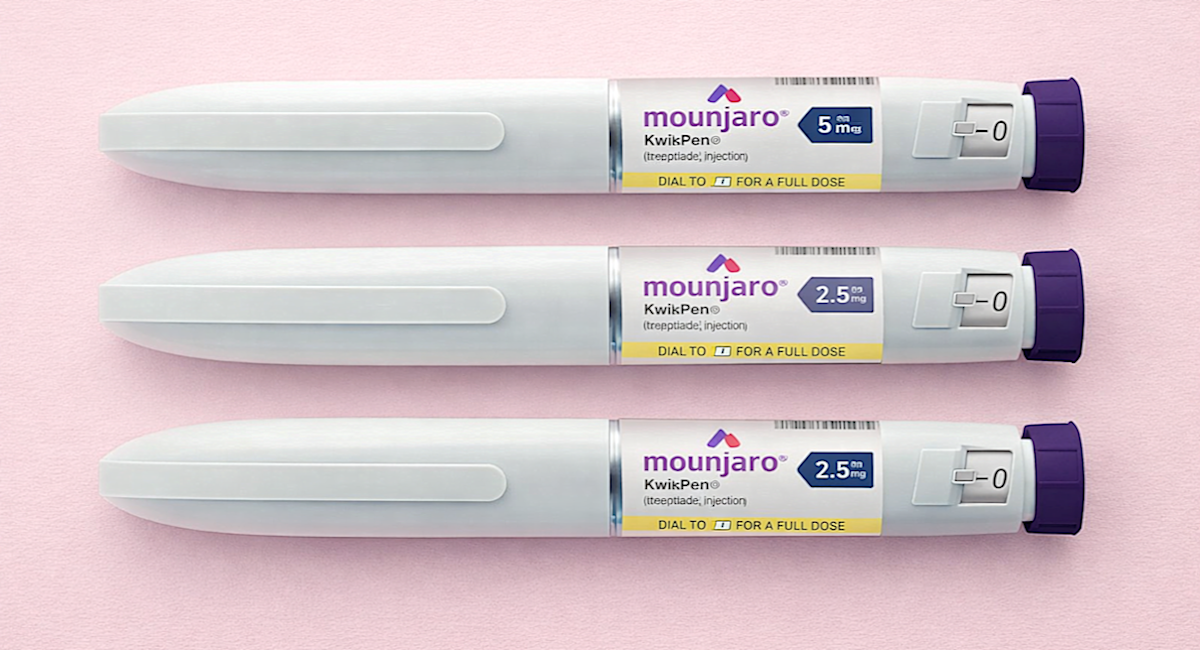
Mounjaro (tirzepatide) is a once-weekly prescription injection used to support weight loss and improve blood sugar control.
In the UK, it is licensed for weight management in adults with obesity or overweight alongside certain weight-related health conditions.
Whilst it can be highly effective, Mounjaro works best alongside sustainable changes to diet, movement, and daily habits.
How does Mounjaro help with weight loss?
Mounjaro works by mimicking two natural gut hormones involved in appetite and blood sugar regulation:
Glucagon-like peptide-1 (GLP-1).
Glucose-dependent insulinotropic polypeptide (GIP).
This is one of the key differences between Mounjaro and medications such as Wegovy, which mimic GLP-1 alone.
These hormones help regulate:
Appetite.
Fullness.
Digestion.
Blood sugar levels.
The simplest explanation is that Mounjaro helps people feel less hungry and fuller for longer. However, it affects several processes involved in appetite and blood sugar regulation.
It can reduce hunger and “food noise”
Hunger is not simply about an empty stomach. Part of appetite is biological hunger, driven by hormones and the body trying to regulate energy balance.
But eating is also influenced by reward and habit. This helps explain why stress, tiredness or routine can suddenly make certain foods difficult to resist, and why we all have a separate “pudding stomach”.
Many people taking Mounjaro notice a change in something often called food noise. This is the constant mental chatter around food: What shall I have for lunch? Maybe just one biscuit. What’s for dinner?
For many patients, this is one of the earliest changes they notice.
Mounjaro also impacts reward systems and seems to reduce cravings, such that many people describe feeling calmer and less preoccupied by food.
That does not mean food stops being enjoyable. Most simply feel more in control. For some people, the biggest change is not actually the weight loss. It is feeling less preoccupied by food and no longer feeling like they are battling cravings all day.
It slows digestion and improves blood sugar control
Mounjaro slows digestion, meaning food leaves the stomach more slowly. This helps many people feel fuller for longer and may reduce snacking.
It is also one reason some people experience nausea or bloating when they first start treatment.
Mounjaro also improves blood sugar regulation, which is why it is used in people with type 2 diabetes.
Patient Perspective: Sarah's Story
Sarah, 40, a patient of Dr Nienke Lees at Genwell UK, had spent years trying diets, counting calories, and repeatedly losing and regaining weight.
Like many women in midlife, she found that menopause, poor sleep and the demands of everyday life had made managing her weight increasingly difficult. After a thorough assessment and discussion about the potential benefits, she decided to start Mounjaro.
Twelve months later, Sarah has lost 20 kilograms, improved her activity levels and reversed her type 2 diabetes. Interestingly, when asked about what had changed most, weight loss was not the first thing she mentioned.
“I just feel so much more in control of everything,” she said. The constant mental chatter around food that had dominated her day had largely disappeared. “For the first time, I don't constantly feel like I'm on a diet, and seeing my progress has really motivated me to work on other aspects of my lifestyle.”
How much weight can you lose on Mounjaro?
Weight loss on Mounjaro varies considerably from person to person.
In one of the largest clinical trials, people taking tirzepatide alongside lifestyle support lost an average of around 15-21% of their body weight over approximately 72 weeks, depending on the dose used.1
Further studies suggest Mounjaro can lead to greater average weight loss than Wegovy, although it is impossible to predict how any individual person will respond.2
Of course, averages only tell part of the story. Some people lose more, some less, and for others the medication is not the right fit because of side effects or personal circumstances.
Do lifestyle changes matter with Mounjaro?
Mounjaro can be highly effective, but it tends to work best alongside sustainable lifestyle changes.
People often do best when they focus on eating enough protein to help preserve muscle mass, building regular movement into their week, and gradually improving sleep and routines where possible.
One thing patients notice is that these changes suddenly felt more achievable. Instead of constantly battling hunger, they often feel like they have more headspace to make intentional choices.
They started walking regularly and this has gradually become part of normal life rather than something they feel they should do.
How long does it take to lose weight on Mounjaro?
Some people notice changes in appetite within days of starting Mounjaro, whilst for others it is more gradual and may take several weeks.
Mounjaro is started at a low dose and increased gradually over time to reduce side effects and help the body adjust, which means the full effect is usually not immediate.
In the first few weeks, some people notice:
Feeling fuller more quickly.
Less interest in snacking.
Feeling sick (nausea) or bloating.
Constipation.
Or very little at all.
The weight loss itself tends to be steadier.
If you do not notice dramatic changes straight away, this does not mean it is not working. The benefits often build gradually over time.
Losing weight on Mounjaro isn't a race. The aim is steady, sustainable progress rather than dramatic short-term weight loss.
Summary
Mounjaro works by mimicking two natural hormones, GLP-1 and GIP, which help regulate appetite and blood sugar. It slows stomach emptying, helps you feel fuller for longer, reduces cravings and food noise, and improves blood sugar control.
Mounjaro does not directly burn fat. Instead, these effects help many people naturally eat fewer calories, leading to gradual and sustainable weight loss over time.
Patient picks for Weight loss treatments and surgery
Healthy living
Mounjaro weight loss injections: FAQs
While weight loss injections such as Mounjaro can be incredibly helpful for some people, they’re also just one piece of the puzzle when it comes to long-term metabolic health. Understanding what they can and can’t do, and how they work, can help guide your decision-making if you’re thinking about trying them. Here are answers to some of the most common questions patients ask about Mounjaro.
by Dr Nienke Lees

Bones, joints and muscles
How to prevent muscle loss on Mounjaro
Rapid weight loss from weight loss injections like Mounjaro can come with a hidden trade-off - muscle loss. Losing too much muscle along the way can leave people feeling weaker, more fatigued, and less supported in the long term. So how do you lose weight without losing muscle too? Experts share the key habits that can help minimise muscle loss while using Mounjaro - including how to eat, train, and recover well during weight loss.
by Bogomila Tosheva
Frequently asked questions
What is 'food noise' and how does Mounjaro help with it?
'Food noise' refers to the constant mental chatter and preoccupation with food, such as thoughts about what to eat, cravings, or desires for certain foods. Mounjaro impacts reward systems and seems to reduce these cravings and mental distractions, helping people feel calmer and less preoccupied by food. Many users describe feeling more in control of their eating habits.
Does Mounjaro burn fat directly?
No, Mounjaro does not directly burn fat. Instead, its effects on appetite, fullness, cravings, and blood sugar control help many people naturally eat fewer calories. This reduction in calorie intake, combined with gradual and sustainable lifestyle changes, leads to weight loss over time.
How does Mounjaro's mechanism of action compare to other weight loss medications like Wegovy?
Mounjaro works by mimicking two natural gut hormones: Glucagon-like peptide-1 (GLP-1) and Glucose-dependent insulinotropic polypeptide (GIP). This dual action is a key difference from medications like Wegovy, which mimic only GLP-1.
Can I expect to see immediate weight loss results after starting Mounjaro?
While some people notice changes in appetite within days, for others it's a more gradual process and can take several weeks. Mounjaro is started at a low dose and increased slowly to help your body adjust and reduce side effects, meaning the full effect isn't usually immediate. Weight loss tends to be steadier over time, with benefits building gradually.
What are some of the early changes or side effects I might notice when starting Mounjaro?
In the first few weeks, some people notice feeling fuller more quickly, less interest in snacking, feeling sick (nausea), bloating, or constipation. Others might not notice much at all initially. These are often due to the medication slowing digestion and are part of the body adjusting to the treatment.
About the authorView full bio
Authored by

Dr Nienke Lees
Women's Health Service Lead
MB BChir, MA, MRCS(ENT), DOHNS, MRCGP, LMCA
Dr Nienke Lees is the Women's Health Service Lead at Genwell.
About the reviewerView full bio

Dr Colin Tidy, MRCGP
General Practitioner, Medical Author
MBBS, MRCGP, MRCP (Paediatrics), DCH
Dr Colin Tidy is an NHS Doctor, based in Oxfordshire.
Article history
Article also available in English, German, Spanish, French, Italian, Portuguese, Hindi, Hebrew, Arabic, and Swedish.
Next review due: 14 Jun 2029
14 Jun 2026 | Originally published
Authored by:
Dr Nienke LeesPeer reviewed by
Dr Colin Tidy, MRCGP
Join the conversation
Share your thoughts or experiences with others in our patient communities.

Ask, share, connect.
Browse discussions, ask questions, and share experiences across hundreds of health topics.

Feeling unwell?
Assess your symptoms online for free
Sign up to the Patient newsletter
Your weekly dose of clear, trustworthy health advice - written to help you feel informed, confident and in control.
By subscribing you accept our Privacy Policy. You can unsubscribe at any time. We never sell your data.