Absence seizures
Peer reviewed by Dr Colin Tidy, MRCGPLast updated by Dr Doug McKechnie, MRCGPLast updated 11 Aug 2025
Meets Patient’s editorial guidelines
- DownloadDownload
- Share
- Language
- Discussion
- Audio Version
- Add to preferred sources on Google
In this series:EpilepsyTypes of seizuresElectroencephalographTonic-clonic seizuresFocal seizuresEpilepsy medication and side-effects
Absence seizures usually occur only in children and young people. Most people with this type of epilepsy grow out of it by the time they are adults. This leaflet discusses only the type of epilepsy with typical absence seizures. There are other types of 'atypical' absence seizures not dealt with in this leaflet.
At a glance
An absence seizure is a type of seizure mainly affecting children and young people.
Symptoms include a brief loss of consciousness, a blank stare, and sometimes fluttering eyelids.
These seizures typically last only a few seconds and the person is unaware of them.
They are often mistaken for daydreaming and may not be noticed quickly.
Diagnosis relies on descriptions of symptoms and sometimes an EEG test.
Medicines can control absence seizures, with ethosuximide often being the first choice.
The outlook is generally good, as absence seizures often stop in teenage years.
What is an absence seizure?
Absence seizure (previously called petit mal) is a form of generalised seizure. An absence seizure mainly occurs in children and young people. Absence seizures are uncommon in adults.
Many people associate epilepsy with the dramatic convulsive type of seizure, when people lose consciousness and have uncontrollable shaking of their arms and legs. Absence seizures are not like this. They are often not noticed for some time, as it can appear that the affected person is simply daydreaming. The following gives a typical example of an absence seizure:
Absence seizure symptoms
The person has a brief loss of consciousness (an absence) for a few seconds.
They do not fall but may pause in what they are doing.
Their face often looks pale with a blank expression.
They may look dazed, the eyes stare and the eyelids may flutter a little.
Sometimes their head may fall down a little, or their arms may shake once or twice.
Each seizure usually starts and finishes abruptly. The person is not aware of the absence and resumes what they were doing.
Absence seizures may not be noticed by parents or teachers for some time, as they usually last just a few seconds. It is common to have several absence seizures per day. If they are frequent, a child's education may suffer, as they will not be able to concentrate on lessons.
What causes absence seizures?
No underlying cause for absence seizures can usually be found in the brain. The bursts of abnormal electrical activity usually occur for no apparent reason. Why absence seizures start, or continue to occur, is unclear. What seems to happen is that the brain develops a low threshold for bursts of abnormal electrical activity.
In some people, a tendency to develop absence seizures is inherited. How it is passed on is not clear but several members of an extended family may have this type of epilepsy. The parents of children with this type of epilepsy may wish to have genetic counselling to see if there is a chance of further children being affected.
Diagnosing absence seizure epilepsy
The most important part of making a diagnosis is to have a clear description from parents or teachers of what happens during a suspected absence seizure. Often the description is typical of an absence seizure.
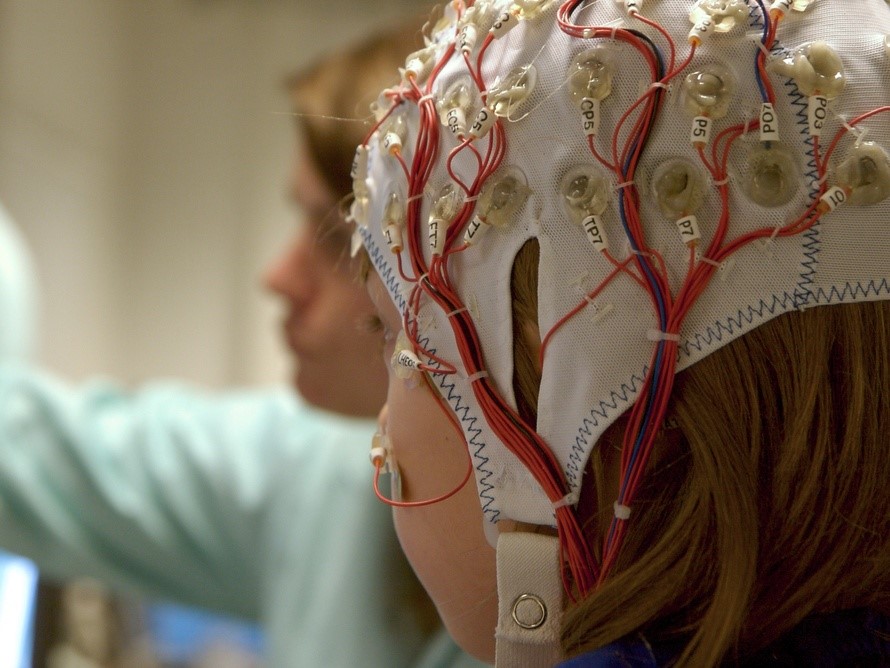
However, sometimes it can be difficult for a doctor to be sure. The electroencephalograph (EEG) test is then helpful. This records the electrical impulses from the brain. Special stickers are put on parts of the scalp. They are connected to the EEG machine which amplifies the tiny electrical impulses given off by the brain and records their pattern on paper or a computer. The test is painless. People with absence seizures often have a typical EEG pattern.
Absence seizure treatment
There are several different medicines that can control absence seizures. They work by stabilising the electrical activity of the brain.
Medication needs to be taken each day to control seizures. In most cases, one medicine can control seizures. A low dose is usually started at first. If this fails to control seizures, the dose may need to be increased or even changed to an alternative medication.
A medicine called ethosuximide is recommended as first choice for absence seizures. Alternatives include sodium valproate, lamotrigine or levetiracetam. Sodium valproate is usually avoided in people under the age of 55, as it can cause birth defects and developmental problems in children of people who are taking it whilst pregnant, or possibly if they are taking it when they conceive a child.
See the separate leaflet called Epilepsy medication and side-effects.
What is the outlook?
The outlook (prognosis) is good. Absence seizures rarely continue into adulthood. This type of epilepsy is not usually associated with any other brain (neurological) condition. Children with this type of epilepsy have the same range of intelligence and other abilities as other children. Treatment usually controls the seizures so that education and other aspects of life can be normal. Absence seizure treatment can often be stopped in the teenage years.
However, some children with absence seizures will have persistent seizures or develop other types of seizures (such as convulsive seizures (tonic-clonic seizures) later in life).
For more information, see the separate leaflets called Epilepsy and Types of seizures.
Patient picks for Epilepsy and seizures
Brain and nerves
Types of seizures
A seizure is a condition caused by a sudden burst of electrical activity in the brain. There are different types of seizures. This leaflet gives some information about what your doctor may wish to know and what tests may be advised after such an event.
by Dr Doug McKechnie, MRCGP
Brain and nerves
Focal seizures
There are different types of epilepsy, and different types of seizures.. This leaflet is about focal seizures, which used to be called partial seizures.
by Dr Doug McKechnie, MRCGP
Frequently asked questions
When do absence seizures typically stop?
Absence seizures rarely continue into adulthood. Treatment often allows them to be controlled, and medication can frequently be stopped during the teenage years.
Can absence seizures lead to other health issues?
This type of epilepsy is generally not linked to other brain or neurological conditions. Children with absence seizures typically have the same intelligence and abilities as other children. However, some children might continue to have seizures or develop other types of seizures, such as convulsive seizures, later in life.
Can frequent absence seizures affect a child's learning?
Yes, if absence seizures occur frequently, a child's education might suffer because they will have difficulty concentrating on lessons due to the brief losses of consciousness.
Why is sodium valproate usually avoided for treating absence seizures in some patients?
Sodium valproate is generally not recommended for individuals under the age of 55 because there's a risk it could cause birth defects and developmental issues in children if the person taking it becomes pregnant or conceives while on the medication.
Is it possible for a child to have absence seizures and also be intelligent?
Yes, children with absence seizures typically have the same range of intelligence and other abilities as other children. The condition is not usually associated with other brain conditions that would affect cognitive function.
Further reading and references
- Diagnosis and management of epilepsy in adults; Scottish Intercollegiate Guidelines Network - SIGN (2015 - updated 2018)
- Epilepsies in children, young people and adults; NICE guidance (2022 - last updated January 2025)
- Kessler SK, McGinnis E; A Practical Guide to Treatment of Childhood Absence Epilepsy. Paediatr Drugs. 2019 Feb;21(1):15-24. doi: 10.1007/s40272-019-00325-x.
- Epilepsy; NICE CKS, November 2024 (UK access only)
About the authorView full bio
Updated by

Dr Doug McKechnie, MRCGP
Medical Writer
MA, MBBS, MSc, DRCOG, MRCP(UK), MRCGP(2021), FHEA
Dr Doug McKechnie is an NHS GP working in London. He works full-time clinically and is also the Deputy Lead for the Clinical and Professional Practice module at University College London Medical School.
About the reviewerView full bio

Dr Colin Tidy, MRCGP
General Practitioner, Medical Author
MBBS, MRCGP, MRCP (Paediatrics), DCH
Dr Colin Tidy is an NHS Doctor, based in Oxfordshire.
Join the conversation
Share your thoughts or experiences with others in our patient communities.

Ask, share, connect.
Browse discussions, ask questions, and share experiences across hundreds of health topics.

Feeling unwell?
Assess your symptoms online for free
Sign up to the Patient newsletter
Your weekly dose of clear, trustworthy health advice - written to help you feel informed, confident and in control.
By subscribing you accept our Privacy Policy. You can unsubscribe at any time. We never sell your data.