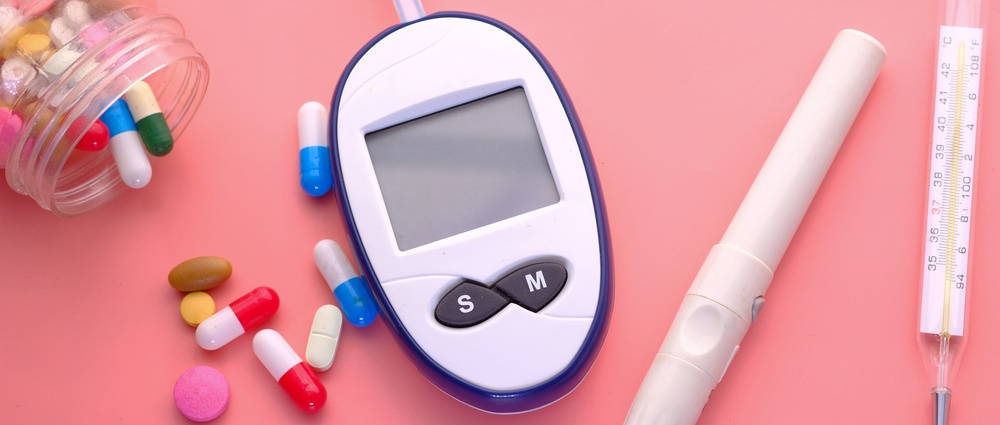
Your diabetes medicines explained
Peer reviewed by Dr Colin Tidy, MRCGPAuthored by Lawrence HigginsOriginally published 9 Dec 2025
Meets Patient’s editorial guidelines
- DownloadDownload
- Share
- Language
- Discussion
- Audio Version
- Add to preferred sources on Google
Managing your diabetes involves several factors - including medicines.
Here we look at why you may have been prescribed the medicines you are on, how to get the most from them, and how they affect your everyday life - and your everyday life affects them.
Sign up for our free 10-week Diabetes course!
Each week, we'll explore a different topic to help you better understand and manage your diabetes, including everyday living and medicines, to mental wellbeing, the latest in diabetes tech, and nutrition.
By subscribing you accept our Privacy Policy. You can unsubscribe at any time. We never sell your data.
Why you may have been prescribed your medicine
The type of medicine you have been prescribed will depend upon several factors - including the type of diabetes you have and your blood sugar (glucose) levels. It will also relate to personal factors such as your age, weight, general health, and other conditions.
As Dr Jobby John, PharmD, FACA, CEO of Nimbus Healthcare, Texas, USA, says, the medicine you are prescribed is “not one-size-fits-all” but is bespoke to your needs.
“As health care professionals, we look at the whole person. Do you have heart disease, high blood pressure, or kidney issues? Your medicines will then be tailored to manage the specific parts of your body's system that are not working as they should,” says John.
John gives the example that if you have a health condition related to your heart or kidneys, then you may be prescribed medicines such as Jardiance (SGLT2 inhibitors) or Ozempic (GLP-1 agonists), which can help.
What are the main medicines for type 1 diabetes?
If you have type 1 diabetes (T1D), you will most likely be prescribed insulin, as your body does not produce enough of it. You’ll usually take insulin by daily injections or through a pump that you attach to your body, which releases it automatically.
There are two main types of insulin:
Long-acting - reaches your bloodstream several hours after injection and lowers blood sugar levels over 24 hours.
Rapid-acting - usually taken before meals, it begins to work around 15 minutes after injection and continues to work for 2-4 hours afterwards.
Dr Jobby John’s Insulin Top Tip: “Move injection sites: If you take insulin or other injectable medicines, rotating the injection site - such as to different areas of your tummy, thigh, or arm - is vital. Using the same spot repeatedly can cause fatty lumps to form under your skin, which can prevent the medicine from being absorbed properly.”
Some people with T1D may also be prescribed metformin.
What is the main medicine for type 2 diabetes?
For Type 2 diabetes (T1D2), the medicine you will usually be prescribed is metformin. This helps your body’s own insulin work better and reduces the amount of sugar your liver produces.
You may be prescribed a combination of medicines depending on your other conditions and general health.
Depending on how you manage your diabetes and the state of your general health, your medicine needs and your treatment plan will evolve. Whenever you are prescribed a new medicine, speak to your healthcare professional about why you are taking it, what effect it will have, and what to look out for.
Whatever medicines you are taking to help manage your diabetes, your body will respond better if you’re active and eat a healthy diet.
What to be aware of when taking your medicines.
The diabetes medicines you have been prescribed will be safe and generally effective, but they must be used with care. Each medicine you take will have its own set of things you will need to consider.
Diabetes medicines can interact with your other medicines - so always let your doctor know about everything you are taking, including vitamins and supplements. You also need to consider when you take them. Dasgupta points out that some medicines work best with food, some on an empty stomach.
It’s important to understand your body so you can appreciate whether your medicines are helping or having any side effects. John suggests keeping a simple log of how you feel because, “your body is the best expert on you.”
Dr Raj Dasgupta, 4x Board-Certified Medical Doctor, Chief Medical Advisor at Pillar4 Media, USA, says: “The key is knowing what’s normal and what’s not. Check in with your doctor if anything feels off, rather than adjusting on your own.”
Key things to look out for, which could be related to your medicines, include sudden changes in your:
Mood.
Appetite.
Digestion.
Energy levels.
Low blood sugar
If you have signs of low blood sugar - shaking, sweating, dizziness, anxiety, confusion - get medical help urgently.
If you're taking insulin or certain other medicines for your diabetes, then you may also be affected by low blood sugar (hypoglycaemia).
Low blood sugar symptoms to look out for include:
Hunger.
Dizziness.
Feeling anxious, confused, or irritable.
Cold sweats.
Shakiness.
Heart palpitations.
Tiredness.
If your blood sugar is very low, you may faint, or have a seizure or fit.
John warns that low blood sugar levels often happen when there’s a mismatch between the insulin dose, the amount of carbohydrates eaten, and physical activity.
Low blood sugar signs and symptoms can also affect us all differently. Lauren Brown, Credentialed Pharmacist, Glen Medicine, Melbourne, Australia, says: “Physical signs of low blood sugar are less noticeable in older age, when alcohol has been drunk, or if you are taking certain medicines such as beta-blockers.”
Main side effects to look out for
When to call 999 or 911 in the US: Any signs of a severe allergic reaction - swelling of the face/tongue, trouble breathing, or hives - or severe stomach pain require immediate medical attention.
With all medicines, everyone reacts differently, and side effects can happen - so it's important to know what they are and what you should do about them.
Common side effects of insulin include.
Hypos – the most common side effect, happens when are when your blood sugar is too low.
Dr Jobby John’s Top Tip: “Learn the signs of hypo and always have a source of fast-acting sugar - such as glucose tabs or fruit juice - handy.”
Weight gain - insulin is a growth hormone, and can make you feel hungry, so you may eat more.
Common side effects of Metformin
Feeling or being sick.
Diarrhoea.
Stomach ache.
Loss of appetite.
Metallic taste in the mouth.
Always take metformin with a meal, as this can help avoid feeling sick and some other side effects.
Long-term use of metformin can lead to lower levels of vitamin B12, which helps to keep your red blood cells and nerves healthy.
Symptoms of vitamin B12 deficiency to look out for include:
Tiredness.
Pins and needles.
A red and sore tongue.
Pale or yellow skin.
The most serious side effect of medicines for T2D is low blood sugar.
Dr Jobby John’s Top Tip: If your side effects persist, speak to your health care professional about being prescribed an extended-release (ER) version of metformin, which is often better tolerated.
If you have T2D, you may also be prescribed SGLT2 inhibitors, which work by helping your kidneys remove sugar from the body through peeing - so drink plenty of water.
John also warns that the extra sugar in your pee can increase the risk for urinary tract or yeast infections, so it's important to be aware of those symptoms.
If you’re side effects persist, do not wait to speak to your healthcare team - catching issues early can prevent bigger problems later.
John says: “Often, a simple dose adjustment or switching to a different medicine in the same class can solve the problem.”
If you’re new to a medicine, it may take 3 to 4 weeks for the side effects to ease. It will also take time for you to learn how to spot the signs of improvement, or otherwise. But with time and effort, managing your diabetes can become more straightforward.
John says: “The goal is to find a treatment that not only controls your blood sugar but also fits your life with minimal negative impact.”
Dr Jobby John’s Top Tip: Consistency is your superpower - take your medicines at the same time every day. Link it to an existing habit, like brushing your teeth or eating breakfast. A weekly pill organiser can be a lifesaver.”
Insulin resistance
Insulin resistance, or sensitivity as it is also known, is when your body is less responsive to insulin - meaning you may need more of it.
Certain conditions, such as polycystic ovary syndrome (PCOS) or having a fatty liver, are linked to insulin resistance, but the exact cause isn’t fully understood.
You may not have any symptoms of insulin resistance, but signs include tiredness, difficulty concentrating, and hunger.
There is no cure for insulin resistance, but there are ways it can be treated. Your healthcare team will discuss options with you.
Questions to ask your healthcare team
To get the most from your diabetes medicines, it is important to understand why you are taking them, what they do for you, and what to look out for. The best way to get this information and know that it is tailored to your needs is to ask your healthcare team.
Based on their own experiences, we asked our experts which questions they felt would be valuable to ask your health care team about your medicines.
Dr Jobby John says, “To be the ‘CEO of your own health, ' here are your starters:
"What is this medicine supposed to do for my diabetes, and what other benefits might it have, such as for my heart or kidneys?"
"How will we know if it's working?"
"What are the most common side effects I might have, and which ones are serious enough that I should call for medical help immediately?"
"What should I do if I accidentally miss a dose?"
"How does this new medicine interact with my other prescriptions?"
"Are there any lifestyle changes I can make that will help this medicine work even better?"
Dr Raj Dasgupta says if anything is unclear or feels off: “Speak up, your healthcare team is there to guide you.” Here are his suggested questions.
Why am I taking each medicine?
What is it supposed to do?
What are the interactions with my other medicines or foods?
Will my doses or medicines change over time?
Trista Best, MPH, RDN, LD, Registered Dietitian at Balance One Supplements, says that, as some medicines may alter your nutrient absorption and appetite, you should ask whether you should take a weight loss medicine.
And remember there’s no such thing as a silly question - your healthcare team is there to help.
Monitoring your medicines - what to look for
Monitoring the effects of your medicine lets you know if it is doing its job effectively. It also helps you spot side effects earlier and make lifestyle decisions to maximise the benefits.
There are various actions you can take to help monitor your diabetes and the medicines you take to manage it.
Track your blood sugar
The main way to know the effectiveness of your treatment is to have a blood test. John suggests you should think of it like checking the weather daily against the forecast for a whole season.
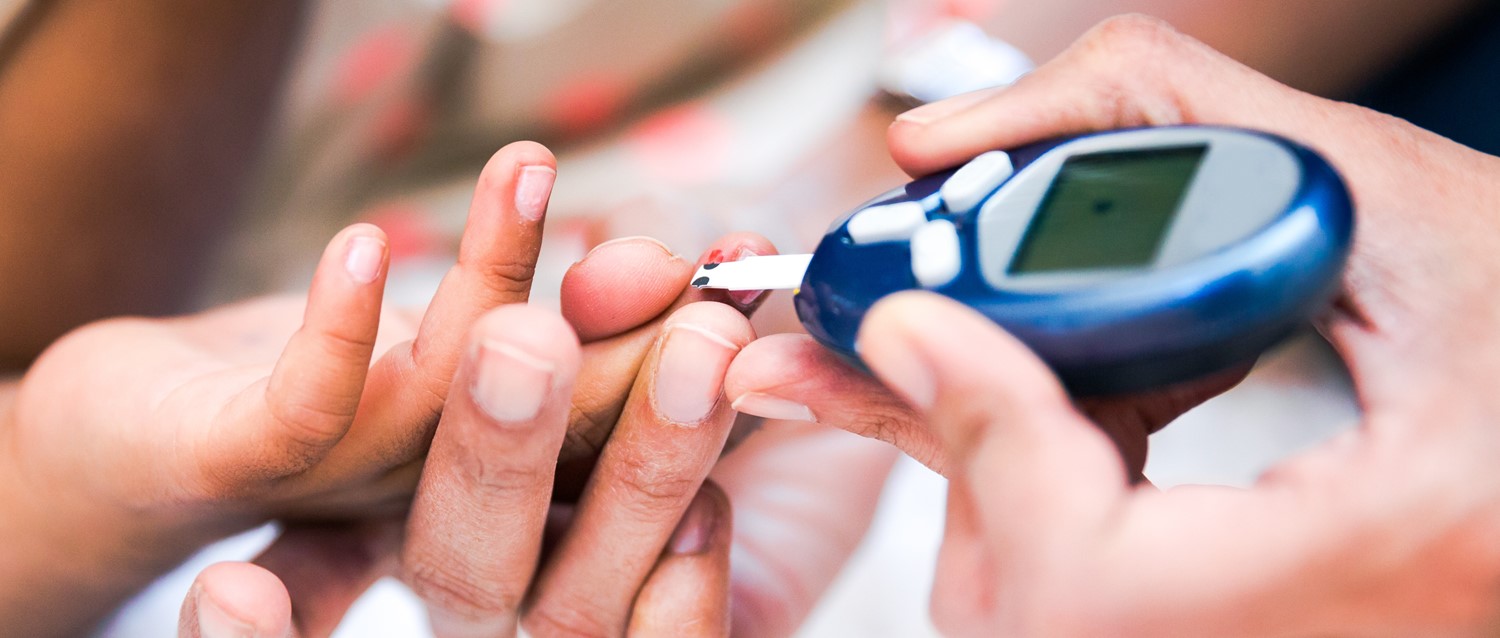
He says that you daily check your blood sugar with a finger-stick meter or a Continuous Glucose Monitor (CGM) for immediate feedback. “This shows you how meals, exercise, and medicine affect you in real-time. It’s not a test you pass or fail - it's just information to help you make decisions.”
On a longer-term basis, a haemoglobin A1 (HbA1c) blood test gives you a 3-month average of your blood sugar control. “This is the big-picture view that tells you and your doctor how well your overall plan is working long-term.”
Keep a symptom diary
You can note down - digitally or on pen and paper - any changes in energy, mood, appetite, sleep, or digestion. These can signal whether your medicine is helping or causing side effects. It can also establish a pattern - for instance, if there is a better or worse time to take your medicines, or a food they react badly to.
Your diary will come in useful when you have your diabetes check-ups. “Logging your readings and symptoms makes conversations with your healthcare team much more productive,” says Dasgupta.
Weight and blood pressure
Some diabetes medicines can affect your weight or blood pressure - so keep a note of numbers to see if things are stable.
The most important thing is to get checked regularly. Your diabetes health care team will review how effective your medicines are and whether your doses or types you take should change.
Beyond your medicines - lifestyle matters
Your medicines are just one part of managing your diabetes and work best alongside healthy habits - a good diet, exercise, and looking after your mental wellbeing. Conversely, stress, lack of sleep, or poor nutrition can mean your medicines have less benefit.
John explains it like this: “Medicine works best as part of a team. Think of diabetes management as a four-legged stool - medication, nutrition, physical activity, and mental well-being. If one leg is wobbly, the stool isn't stable.”
Here are some of the key lifestyle choices to consider alongside your medicines.
Nutrition
The food you eat will directly affect your blood sugar. Best says that eating foods rich in nutrients can help build muscle, boost your energy, and support long-term health - in ways medicines alone cannot achieve.
Dr Jobby John’s Top Tip: “Learning how carbohydrates affect you and focusing on balanced meals with protein, fibre, and healthy fats helps your medicines work more effectively.”
Exercise
Your medicines will work best alongside exercise and regular movement. John explains that physical activity makes your body's cells more sensitive to insulin, meaning the medicine - and your own insulin - can work better.
Dr Jobby John’s Top Tip: “Even a 15-minute walk after a meal can have a significant positive effect on blood sugar.”
Mental health
Living with a long-term condition such as diabetes can be stressful, and stress hormones can directly raise your blood sugar levels. This, in turn, can affect how your body responds to medicines.
Speak to your healthcare team if you’re feeling low, anxious, or overwhelmed. Make sure you’re getting the support you need.
Dr Jobby John’s Top Tip: “Prioritising sleep, finding healthy ways to cope with stress, and seeking support from a therapist or a support group is a core part of effective diabetes management.”
Patient picks for Diabetes mellitus
Diabetes
Why low blood sugar is dangerous
Hypoglycaemia, or low blood sugar, is often known as a 'hypo'. It can make you feel unwell and affect your ability to drive. Simple steps will reduce the risk, and allow you to treat a hypo early, before it causes more serious complications.
by Dr Sarah Jarvis

Diabetes
How to manage diabetes during Ramadan
If you have either type 1 or type 2 diabetes and observe fasting during Ramadan, are there any special precautions you can take to ensure you stay well?
by Dr Sarah Jarvis
About the authorView full bio
Authored by

Lawrence Higgins
Managing editor
BSc, Post Graduate Diploma
Lawrence has worked as both Managing Editor of Patient.info and a contributing author. He is also a member of the Guild of Health Writers.
About the reviewerView full bio

Dr Colin Tidy, MRCGP
General Practitioner, Medical Author
MBBS, MRCGP, MRCP (Paediatrics), DCH
Dr Colin Tidy is an NHS Doctor, based in Oxfordshire.
Article history
Article also available in English, German, Spanish, French, Italian, Portuguese, Hindi, Hebrew, Arabic, and Swedish.
Next review due: 9 Dec 2028
9 Dec 2025 | Originally published
Authored by:
Lawrence HigginsPeer reviewed by
Dr Colin Tidy, MRCGP
Join the conversation
Share your thoughts or experiences with others in our patient communities.

Ask, share, connect.
Browse discussions, ask questions, and share experiences across hundreds of health topics.

Feeling unwell?
Assess your symptoms online for free
Sign up to the Patient newsletter
Your weekly dose of clear, trustworthy health advice - written to help you feel informed, confident and in control.
By subscribing you accept our Privacy Policy. You can unsubscribe at any time. We never sell your data.