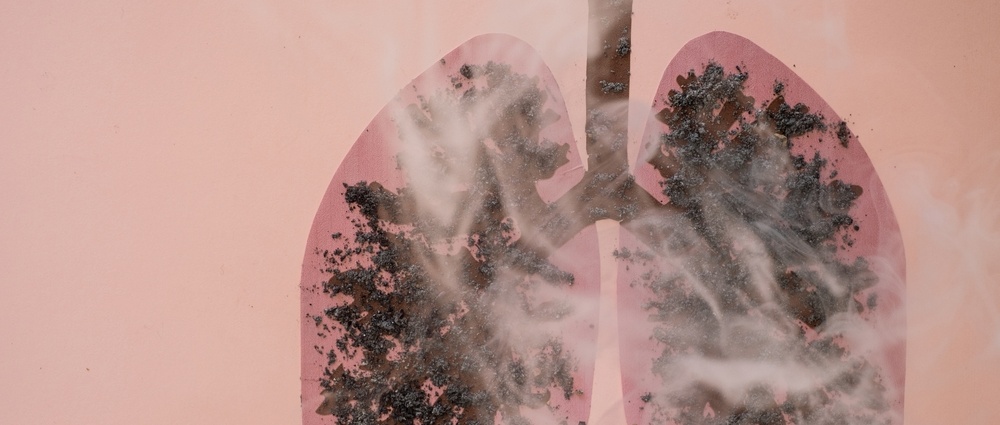
Why is air pollution so dangerous for your lungs?
Peer reviewed by Dr Colin Tidy, MRCGPLast updated by Lynn StephenLast updated 20 Nov 2025
Meets Patient’s editorial guidelines
- DownloadDownload
- Share
- Language
- Discussion
- Audio Version
- Add to preferred sources on Google
It goes without saying that the best way to keep your lungs healthy is not to smoke cigarettes - and it's never too late to quit. But the relentless rise of cars and other fossil fuel-burning machines means that our lungs are also under threat from pollution. How can you protect your lungs when just breathing could be harming your health?
During the industrial revolution, there was little awareness of quite how much damage could be done to healthy people's lungs by pollution - largely because we'd never had it on such a huge scale before. But we have known for a long time that clean air is good for the lungs - after all, people with 'consumption' (tuberculosis) used to be sent to the mountains to breathe the fresh air.
Toxic gases
Long gone, fortunately, are the days of the old 'London Smog', where thousands of people died every year from complications of the blanket of pollution that covered the city. In the UK, we don't tend to see the same very high levels as major, severely polluted cities, such as Beijing, New Delhi, Santiago in Chile, and Mexico City.
The combination of sulfur dioxide - produced when fossil fuels are burned, and the major culprit in acid rain - and nitrogen dioxide from motor vehicles and generators, is a toxic mix.
Cities such as Los Angeles - surrounded on three sides by mountains - find their pollutants trapped under a layer of warm air and unable to escape. But low wind speeds in the UK can have a similar effect, with pollutants not being blown away.
Health hazards
We now have a much better understanding of how air pollution does its damage. As well as toxic gases, tiny particles, known as particulate matter (PM) can reach deep into your body. In addition to damaging your lungs, the smaller particles can actually get into your bloodstream, reaching your heart and even your brain.
So pollution has now been linked with a higher chance of heart attack and possibly even stroke and dementia.
But first and foremost, air pollution affects your lungs. We breathe in a new lungful of air 15-20 times a minute. Deep inside the lungs, this air meets a network of tiny blood vessels with very thin walls. Oxygen from the air is transferred into the blood across these walls, going on to supply all the organs of the body - and carbon dioxide produced by the body is passed from the blood and breathed out. Just as with tobacco smoke, pollution can clog and irritate the lining of the lungs.
Avoiding air pollution
Get into the habit of finding out what pollution levels are on a day-to-day basis. Levels can vary dramatically depending on where you are and what the weather's like.
It's time to use your tech to keep up to date. The Met Office has hundreds of weather stations all across the country which put out daily reports not just on the chance of rain but also on air pollution levels. You can find them online.
Once you know what pollution levels are on any given day, take them into account. When you do go out, plan your trip as much as possible to avoid busy roads.
Pollution levels drop sharply even a couple of metres away from heavy traffic. Pollution builds up easily in built-up areas full of tall buildings, where air can't circulate.
If you have heart or lung issues, consider putting off any strenuous outdoor activity until levels are lower. As soon as you start exercising, you breathe harder and faster, usually through your mouth. This means you take in more air and don't filter pollution out through your nose in the same way.
Facemasks may be of use in reducing exposure to air pollution, especially in areas with high pollution levels. Their effectiveness depends on the type of mask, how well they fit, and the pollutants found in the air. Facemasks with a rating of N95 or higher - equivalent to PPP2 in Europe - and which filter out at least 95% of particles, are usually recommended.
But even if you have lung issues, the benefits of exercise vastly outweigh any hazards from pollution in the long term. So exercise, but do it safely.
With thanks to My Weekly magazine, where this article was originally published.
Patient picks for Pollution
General health and lifestyle
Air pollution speeds up ageing in the lungs
Air pollution causes lung ageing and increases the chances of developing a serious lung disease.
by Ashwin Bhandari

General health and lifestyle
Air pollution in major cities for lungs is as bad as smoking 20 cigarettes a day
Long-term exposure to air pollution can worsen lung disease as much as smoking a pack of cigarettes every day for 29 years.
by Ashwin Bhandari
About the authorView full bio
Updated by

Lynn Stephen
Content developer
MA (Hons)
Lynn joined Patient in 2023 and her role includes checking all the professional leaflets, patient information leaflets and medicine leaflets, to ensure consistency of spelling, grammar, reference material and brand style, working with the medical authors and clinical director to coordinate the authoring and peer reviewing of the leaflets.
Authored by

Dr Sarah Jarvis
Clinical Consultant
MA (Cantab), BM, BCh (Oxon), DRCOG, FRCGP, MBE
After training in medicine at Cambridge and Oxford, Dr Sarah Jarvis MBE became a GP.
About the reviewerView full bio

Dr Colin Tidy, MRCGP
General Practitioner, Medical Author
MBBS, MRCGP, MRCP (Paediatrics), DCH
Dr Colin Tidy is an NHS Doctor, based in Oxfordshire.
Article history
Article also available in English, German, Spanish, French, Italian, Portuguese, Hindi, Hebrew, Arabic, and Swedish.
Next review due: 21 Nov 2028
20 Nov 2025 | Latest version
30 Jun 2020 | Originally published
Authored by:
Dr Sarah Jarvis
Join the conversation
Share your thoughts or experiences with others in our patient communities.

Ask, share, connect.
Browse discussions, ask questions, and share experiences across hundreds of health topics.

Feeling unwell?
Assess your symptoms online for free
Sign up to the Patient newsletter
Your weekly dose of clear, trustworthy health advice - written to help you feel informed, confident and in control.
By subscribing you accept our Privacy Policy. You can unsubscribe at any time. We never sell your data.