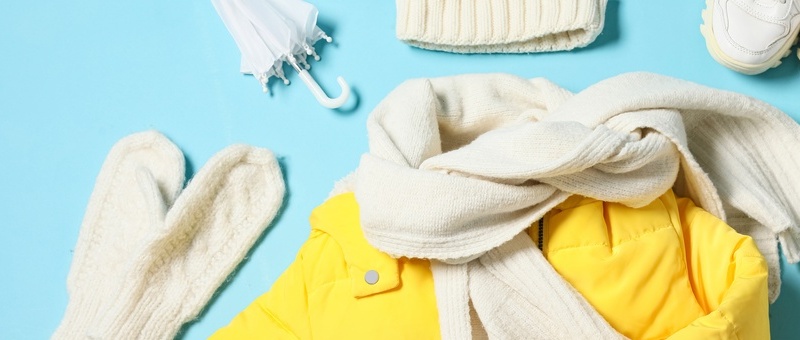
What is a ‘coolcation’ - and could it be better for your health?
Peer reviewed by Dr Colin Tidy, MRCGPAuthored by Victoria RawOriginally published 30 Jun 2026
Meets Patient’s editorial guidelines
- DownloadDownload
- Share
- Language
- Discussion
- Audio Version
- Add to preferred sources on Google
You may have heard the term ‘coolcation’ circulating online. It refers to a growing travel trend in which holidaymakers are swapping traditional sunny destinations for cooler climates and experiences.
We spoke to an expert to find out more about the benefits of choosing colder weather for a holiday, and why this shift in travel habits might be gaining popularity.
In this article:
Continue reading below
What is a coolcation?
More people are becoming aware of the health hazards linked to extreme heat. As a result, many are looking for ways to escape both the physical and mental strain that high temperatures can bring.
That’s where the idea of a ‘coolcation’ comes in - a growing travel trend where people move away from conventional sun-soaked holiday spots and head instead to cooler, often northern destinations. These may include places such as the Alps or the Nordic countries, including Denmark, Finland, Iceland, Norway, and Sweden. Rather than chasing the heat, travellers are opting for fresher air, milder conditions, and a more comfortable pace.
Pankti Shah, Pharmacist and Pharmacovigilance Expert at Pharmalink Academy, UK, says coolcations are becoming more appealing as people grow more mindful of the discomforts that can come with extreme heat while on holiday.
“These can include a range of risks, from exhaustion and discomfort to life-threatening medical conditions,” she says. “Heatwaves are also growing as a public health concern, with the World Health Organization (WHO) outlining heat stress as an environmental and occupational threat.”
How does extreme heat affect your health?
Back to contentsExperiencing a heatwave, especially if you’re not used to hot weather, can have serious consequences for your health if you don’t take care to manage its effects.
Some of the most common ways heat can affect you include:
Dehydration - when your body loses more fluid than it takes in, which can lead to fatigue, dizziness, and confusion.
Heat exhaustion - when your body becomes overwhelmed by heat and has to work harder than usual to cool itself down.
Heatstroke - a serious condition where your body is no longer able to regulate its temperature, causing your temperature control system to fail.
Who is most vulnerable during heat waves?
Shah emphasises that those most likely to be affected by heat include older adults, babies, young children, and pregnant people.
People living with long-term illnesses and disabilities should also take extra care in hot weather.
This includes those with:
Respiratory illnesses.
Diabetes.
Kidney disease.
Mental health conditions.
“Outdoor workers, people without means to cool themselves, and athletes are also more susceptible,” she adds. “Some medications can affect temperature control and contribute to dehydration.”
Continue reading below
Could a coolcation offer health benefits?
Back to contentsIf you’re less likely to be affected by the health impacts associated with hot weather, you’re also less likely to experience the symptoms that come with them.
Shah explains that taking a holiday in cooler climates can help reduce both the likelihood and severity of heat stress and dehydration in particular.
“Walking and hiking are usually easier to manage in milder climates,” she says. “If you’re hiking more often, you’re also likely to see improvements in circulation, mood, and energy levels.”
Shah cautions, however, that it’s still wise to take certain precautions when travelling to colder countries.
“Remain well covered in warmer clothing, as dry and cold climates can still encourage dehydration - cold exposure carries its own health consequences,” she adds.
Cooler climates could support better sleep
Sleeping in hot conditions can severely disrupt your sleep. While people in cooler climates usually enjoy milder weather, managing indoor temperatures during a heatwave is difficult without air conditioning. When high outdoor temperatures seep into the home, escaping the heat to get a good night's rest becomes nearly impossible.
Shah explains that cooler sleeping conditions on a coolcation can make it easier for your body to get a good night’s rest.
She recommends a sleeping temperature of between 16 and 19 degrees Celsius (°C) - or 60 to 67 degrees Fahrenheit (°F).
“Sleep organisations posit that from a physiological perspective, a cooler room is supportive of decreasing core body temperature," says Shah. "This encourages sleep and supports your body's circadian rhythms.
“A warm room can fragment sleep and encourage delayed sleep onset.”
How cold exposure may benefit your body
Exposing yourself to cold temperatures in controlled ways is thought to offer a range of potential health benefits. This includes supporting your immune system, helping regulate hormones, improving mood, and increasing resilience to stress.
It can also have other positive health effects, such as supporting recovery and reducing inflammation.
Shah says that cold exposure can temporarily numb certain types of pain by reducing nerve signalling and constricting blood vessels.
“This is why ice packs help reduce acute pain and swelling,” she explains. “Cryotherapy and cold-water exposure in a more controlled setting may reduce perceived muscle soreness.”
She adds, however, that evidence on the benefits of cold exposure is mixed and can vary depending on the timing and the person.
“There are some studies showing effects on inflammation,” she says. “However, cold therapy should be seen as a supportive tool for recovery and should not be used as the only treatment for inflammation and injury.”
How nature and landscapes can support wellbeing
Getting outdoors and spending time in nature can do wonders for your mental health. Whether it’s walking through autumn leaves or soaking up some vitamin D on a sunny day, there are many ways that being outside can improve your mood and overall wellbeing.
Exploring snowy or alpine landscapes may offer distinct benefits of their own.
Shah says that practices such as forest bathing encourage a slow, mindful immersion in greenery, and a break from the demands of urban life. In contrast, snowy and mountainous landscapes are often linked to feelings of awe, spaciousness, and silence. These settings can also encourage movement and time in natural light, creating a different but equally valuable pathway to psychological wellbeing.
She notes that although both environments are able to provide psychological restoration, there is more research to support the effects of nature and forest bathing compared to “snow therapy”.
Cold exposure may improve focus and mood
Cold exposure can trigger chemicals - such as norepinephrine - that act as both hormones and neurotransmitters to help your body respond to stress.
As Shah explains, cold acts as a form of environmental stress that your body can gradually adapt to over time. It switches on your sympathetic nervous system (SNS), boosting alertness and kickstarting the processes that help regulate your body temperature.
“Chemicals such as norepinephrine are important for focus and attention,” she says. “One of the cold water immersion studies in humans reported an increase of noradrenaline and dopamine in the colder ranges.
“The results of this study were controlled, however, and should not condone the use of extreme cold on other participants.”
How to safely adjust to colder climates
If you're not used to cold climates, it's a good idea to ease yourself into the conditions gradually and take a few simple steps to stay comfortable and safe in lower temperatures.
Shah recommends dressing in layers to stay warm and dry, protecting exposed areas such as your nose and ears, avoiding overexertion, and heading indoors before mild shivering develops into intense or prolonged shivering.
It’s also important to recognise the early signs of hypothermia and frostbite when spending time in cold conditions. Avoiding alcohol is recommended too, as it can affect your judgement and interfere with your body’s ability to regulate temperature.
Shah also suggests making the most of warming experiences such as saunas and hot tubs, as they can offer a safe and accessible way to warm up and unwind.
“Saunas are especially important for improving the cardiovascular system, along with the other benefits,” she says. “However, people with unstable blood pressure, a high pulse, heart conditions, a history of fainting, or those who are pregnant should consider speaking to a healthcare professional before using saunas.”
Patient picks for Environmental conditions
Healthy living
Could cold exposure boost your health and wellbeing?
We tend to associate plunging winter temperatures with the cold and flu season. But did you know that cold showers and cold water swimming have proven benefits for health? We ask the experts about the dos and don'ts of cold exposure.
by Lynn Stephen
Diet and nutrition
What is the Nordic diet?
The Nordic diet originates from the traditional eating habits of regions in northern Europe and the North Atlantic. These colder countries share a dietary approach of locally grown plant-based foods and responsibly sourced game meats. It’s sometimes called the Scandinavian diet, but whichever name you know it by, let's take a look at what it involves, along with its potential health benefits.
by Victoria Raw
Continue reading below
About the authorView full bio

Victoria Raw
Feature Writer
BA (Hons), English Literature
Victoria is a content writer with Patient whose special interests focus on mental wellbeing, societal trends and the impact of technology on our health.
About the reviewerView full bio

Dr Colin Tidy, MRCGP
General Practitioner, Medical Author
MBBS, MRCGP, MRCP (Paediatrics), DCH
Dr Colin Tidy is an NHS Doctor, based in Oxfordshire.
Article history
The information on this page is peer reviewed by qualified clinicians.
Next review due: 30 Jun 2029
30 Jun 2026 | Originally published
Authored by:
Victoria RawPeer reviewed by
Dr Colin Tidy, MRCGP

Ask, share, connect.
Browse discussions, ask questions, and share experiences across hundreds of health topics.

Feeling unwell?
Assess your symptoms online for free
Sign up to the Patient newsletter
Your weekly dose of clear, trustworthy health advice - written to help you feel informed, confident and in control.
By subscribing you accept our Privacy Policy. You can unsubscribe at any time. We never sell your data.