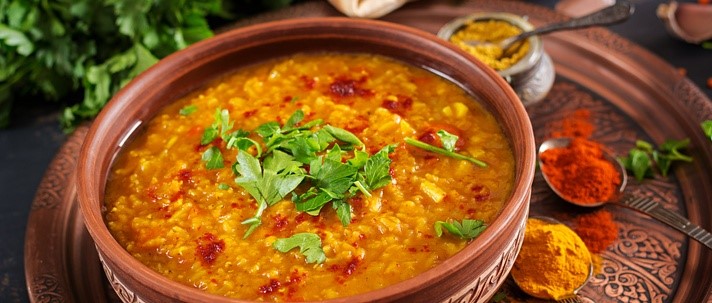
5 high-protein vegetarian meals to keep your strength up
Peer reviewed by Dr Krishna Vakharia, MRCGPLast updated by Amberley DavisLast updated 7 May 2024
Meets Patient’s editorial guidelines
- DownloadDownload
- Share
- Language
- Discussion
- Audio Version
- Add to preferred sources on Google
It wasn't long ago that people thought to be strong, toned and healthy you had to follow a meat-heavy diet. We now know that this is not the case, and vegetarian sources of protein can be used in a variety of exciting, nutritious, and delicious meals.
Why is protein important?
Whether you're interested in building muscle or not, consuming enough protein is important. Protein is an essential macronutrient - a nutrient that your body needs in large amounts for it to function.
Made up of amino acids, protein plays a key role in the growth and repair of cells and tissues. This includes muscle mass, in a process known as muscle protein synthesis (MPS). Thanks to MPS, the tiny muscle tissue tears that exercising your muscles creates are then repaired and maintained by amino acids.
If you regularly strength train, MPS is what creates stronger and larger muscles over time. How much protein you need to support your muscle-building exercise regime will depend on factors such as your age, weight, and height, and how often you work out.
On the flip side, if you're not eating enough protein, the amino acids in your muscles will be stolen and reallocated to maintain cells elsewhere in your body. This can result in muscle loss and weakness.
Among many other important jobs, protein also has an essential role to play in bone health, digestive health, hormone regulation, and the process that carries oxygen around your body.
How to get protein as a vegetarian
Traditionally, a protein-rich diet was once thought to amount to a meat-heavy diet. Now that there is more research into plant-based diets, experts agree that many meat-free meals can provide all the nutrients a person needs, including enough protein to build muscle.
What vegetarian foods are high in protein?
Grains and pulses - for example, lentils, chickpeas, black beans and quinoa.
Dairy - for example, milk, cheese and yoghurt.
Soya and tofu - for example, soya beans, soy milk and tempeh.
Nuts and seeds - for example, almonds, cashews and flaxseeds.
Eggs.
We know that, when nutritionally balanced, vegetarian and vegan diets can lower your chances of many health conditions, including heart disease, type 2 diabetes, high blood pressure (hypertension), certain types of cancer, and obesity1.
You might also wish to support your high-protein diet with plant-based protein supplements - but these supplements shouldn't be taken as a replacement for food protein.
High-protein vegetarian meals
1. Cottage cheese breakfast bowl
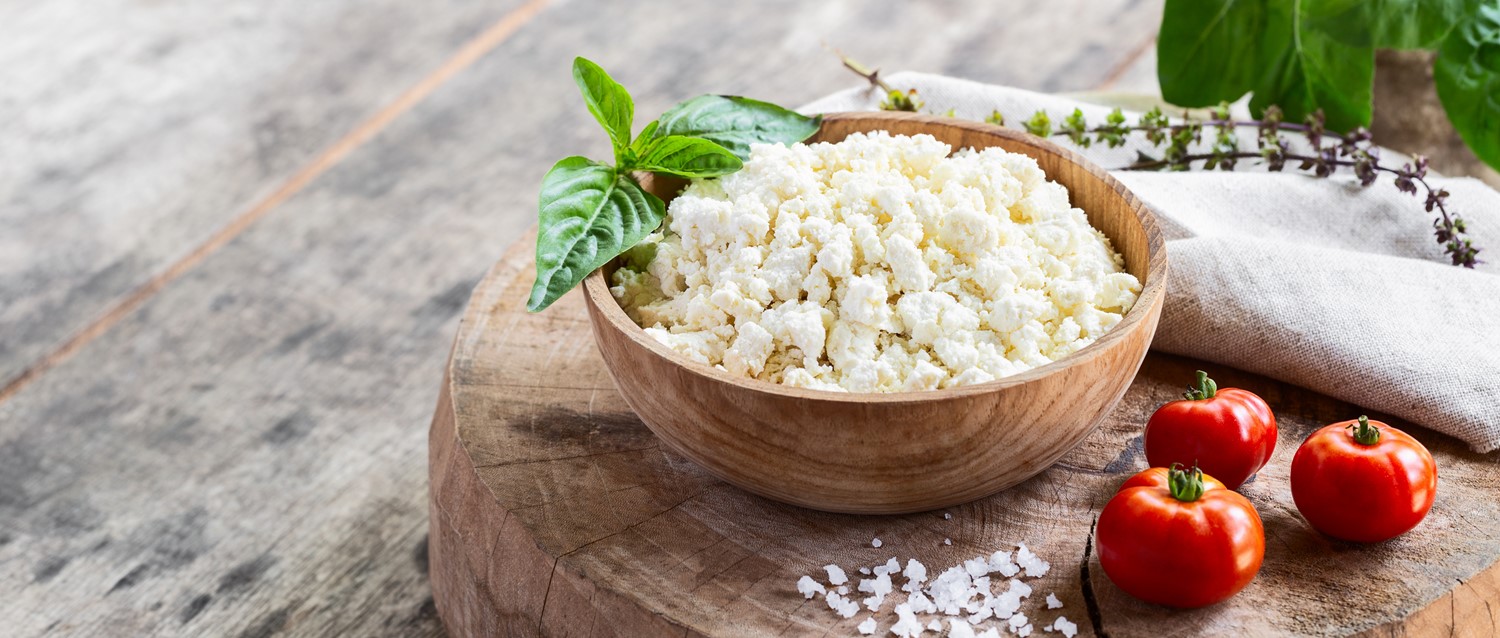
This healthy vegetarian breakfast contains 29 grams (g) of protein per serving. Cottage cheese is rich in protein as well as in other important nutrients such as calcium and vitamins B12 and B6. Chia seeds, almonds, walnuts, and berries further top up the protein content and contain healthy fats which will boost your energy levels throughout the morning.
2. Protein powder pancakes
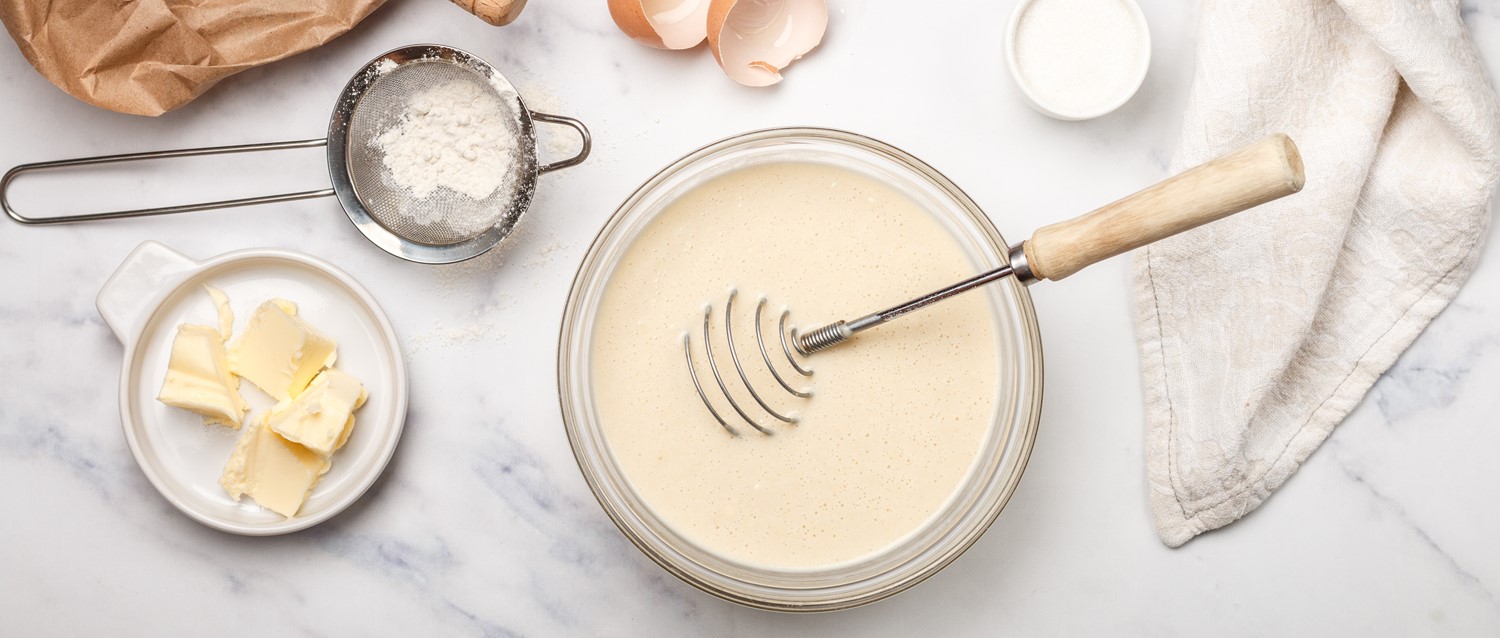
Another way to pack protein into your breakfast is to add protein powder to your morning pancakes. This recipe provides 31 g of protein and contains natural and healthy food sources of protein from eggs, oats, and bananas. This is an easy vegetarian treat that only takes 15 minutes to make.
3. Spring green fried rice eggs
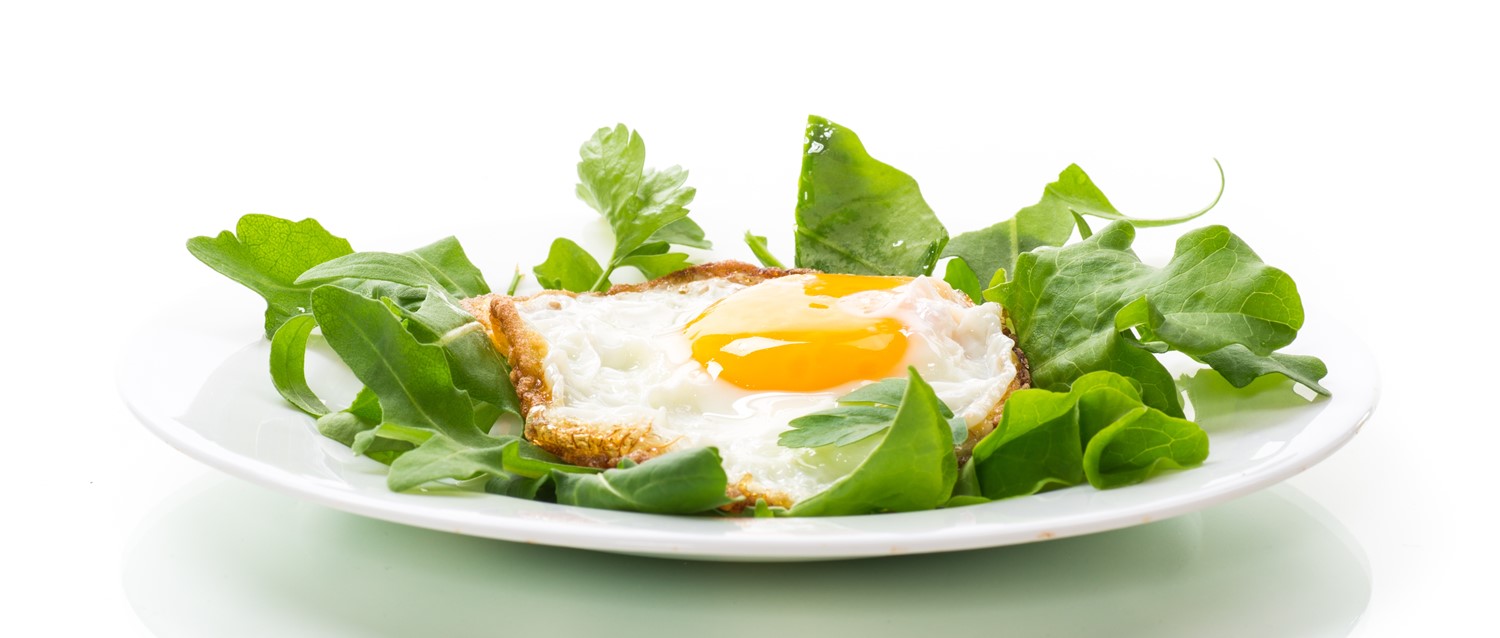
This speedy 15-minute recipe includes three protein-rich eggs and healthy spring greens. Spinach is a spring green that provides a good amount of protein. Topping your fried rice with sesame seeds also increases the protein content of this vegetarian lunch meal while adding a nutty flavour and a bit of crunch.
4. Seitan and black bean stir-fry
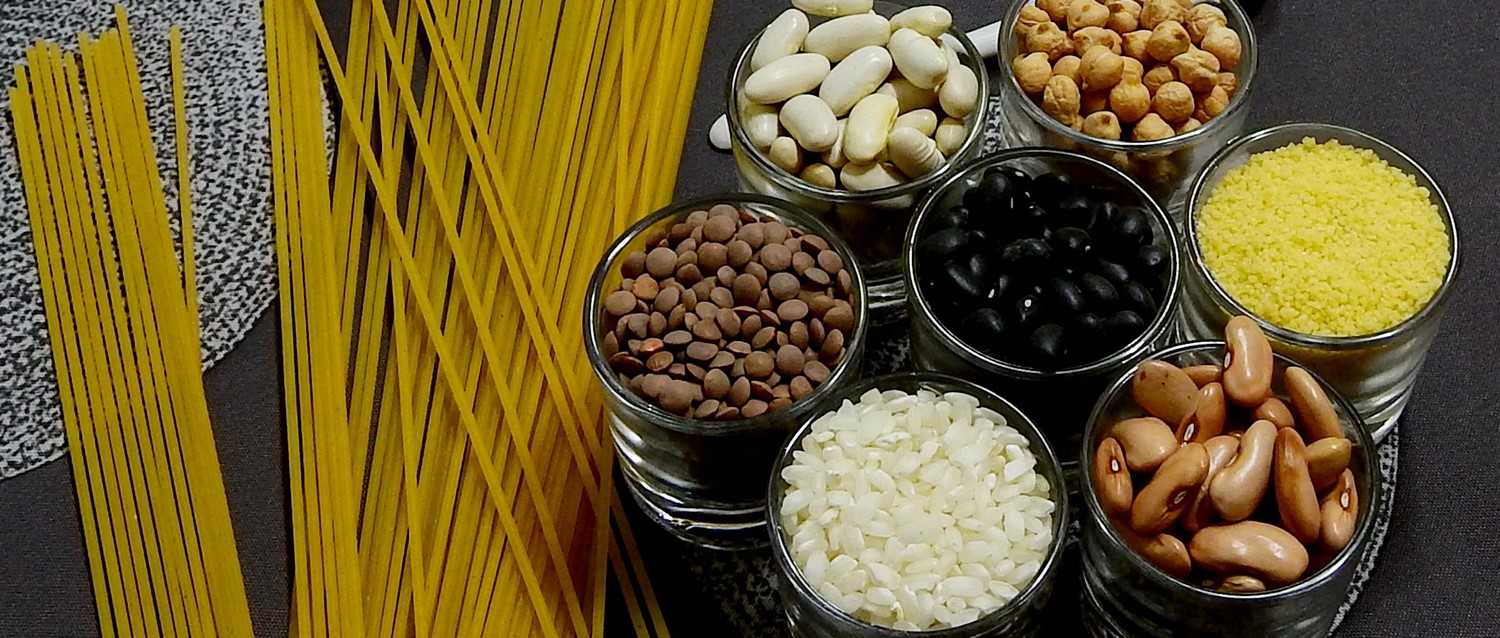
This low-calorie, high-protein vegetarian meal is a great weeknight dinner option, taking under 30 minutes to cook. This is a great choice if your goal is to burn fat in a healthy way while also building muscle.
If you haven't come across seitan before, this is a meat substitute made from gluten, the main protein found in wheat. Black beans and peanut butter also have high-protein contents.
5. Baked ratatouille and goat's cheese
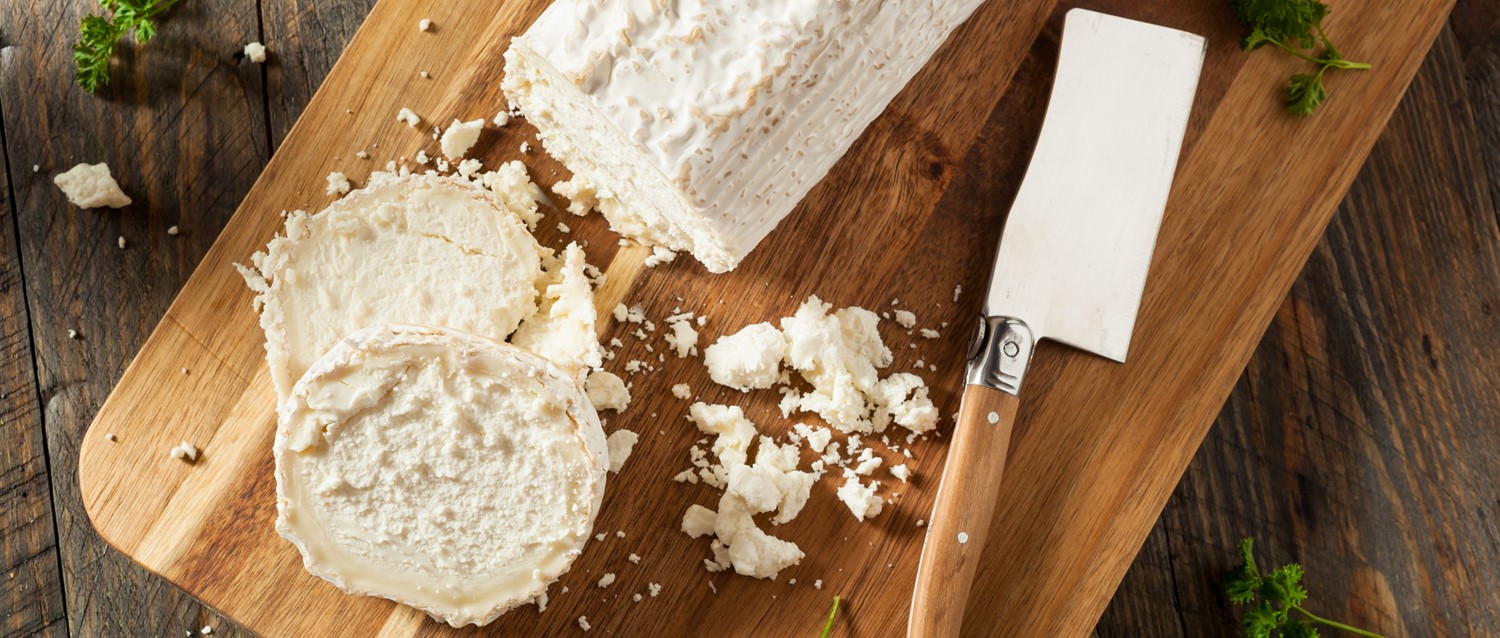
Goat's cheese is a good source of protein and is also packed with more vitamins and minerals when compared to cow cheeses. This recipe also contains three of your 5-a-day and is made with passata which is also loaded with nutrients and makes a rich tomato sauce base.
Further reading
Patient picks for Recipes

Diet and nutrition
Our favourite summer recipes
From big barbecue hits to light weeknight dinners, we've handpicked our favourite summer recipes to keep you and your tummy smiling through hot sunny days and warm summer evenings - or whatever weather summertime throws our way.
by Victoria Raw
Diet and nutrition
7 vibrant autumn recipes - keep it seasonal
From the warm oranges of squash, pumpkins and carrots to the vibrant purples of blueberries and beetroot, autumn fruits and veggies are as rich in colour as they are in flavour. Not only can they brighten darker evenings, they can lighten up your taste buds with a powerful nutritional punch.
by Victoria Raw
About the authorView full bio
Updated by

Amberley Davis
Senior writer
BA (Hons), CPD
Amberley is a senior writer with Patient and has written extensively on a range of health and wellbeing topics.
Authored by
Amberley Davis
Senior writer
BA (Hons), CPD
Amberley is a senior writer with Patient and has written extensively on a range of health and wellbeing topics.
About the reviewerView full bio

Dr Krishna Vakharia, MRCGP
Chief Medical Officer for Health, Optum UK
MBChB, MRCGP(2013), BMedSci (hons), DFSRH, DRCOG, PGDipDerm (Distn)
Dr Krishna Vakharia is an NHS GP. She is also a regular examiner for the postgraduate Diploma in Practical Dermatology at Cardiff University as well as being the Chief Medical Officer for health at Optum UK.
Article history
Article also available in English, German, Spanish, French, Italian, Portuguese, Hindi, Hebrew, Arabic, and Swedish.
Next review due: 6 May 2027
7 May 2024 | Latest version
25 May 2022 | Originally published
Authored by:
Amberley Davis
Join the conversation
Share your thoughts or experiences with others in our patient communities.

Ask, share, connect.
Browse discussions, ask questions, and share experiences across hundreds of health topics.

Feeling unwell?
Assess your symptoms online for free
Sign up to the Patient newsletter
Your weekly dose of clear, trustworthy health advice - written to help you feel informed, confident and in control.
By subscribing you accept our Privacy Policy. You can unsubscribe at any time. We never sell your data.