Could your diet be your best anti-ageing secret?
Peer reviewed by Dr Colin Tidy, MRCGPLast updated by Victoria RawLast updated 21 Jul 2026
Meets Patient’s editorial guidelines
- DownloadDownload
- Share
- Language
- Discussion
- Audio Version
- Add to preferred sources on Google
When we think about anti-ageing, our attention often turns to outward signs - fewer wrinkles, a trimmer figure, and hair less touched by grey. However, by prioritising what's happening inside our bodies, we can live a longer, healthier life, both inside and out.
Sign up for our free 10-week Healthy Ageing course
Take the first step to feeling your best as you grow older. Each week, we'll focus on different areas to help you age well and maintain a healthy body and mind, including exercise, diet, anti-ageing supplements, healthy brain ageing, and bone and joint health.
By subscribing you accept our Privacy Policy. You can unsubscribe at any time. We never sell your data.
The quest for eternal youth is as old as time. From magic potions and mythical vampires to skincare, cosmetics, and plastic surgery, we often chase extraordinary solutions to ageing. However, one of the most powerful anti-ageing secrets may be found simply in what we eat.
Which nutrients are best for anti-ageing?
Eating a nutrient-rich, balanced diet benefits our health in countless ways. Certain nutrients play a key role in supporting specific functions within your body. As we age, some become especially valuable in helping us stay healthy over time.
Dr Gail Clifford is a Wall Street Journal international best-selling author based in Greater Orlando, USA. She explains that these nutrients help keep your body working well for longer.
"They protect your cells, reduce inflammation, and lower your chance developing of long-term diseases - such as heart disease, cognitive decline, and even some cancers," she says. "When your body has what it needs to repair damage, manage stress, and stay balanced, you are more likely to feel better and stay active as you age."
She emphasises that your focus should not be on reversing ageing, but rather on ageing well - maintaining energy, sharpening your mind, and keeping your body strong for as long as possible.
Which foods might support a longer, healthier life?
Some foods are naturally richer in these nutrients than others. While a balanced diet that includes a variety of nutrients is key to staying in top shape, the foods that promote a longer, healthier life tend to be good for our overall wellbeing too.
"Whole, plant-forward foods are where it is at," says Clifford. "Eating a variety from the following food groups gives your body a strong nutritional foundation to thrive as you age."
Age-fighting foods to add to your shopping list
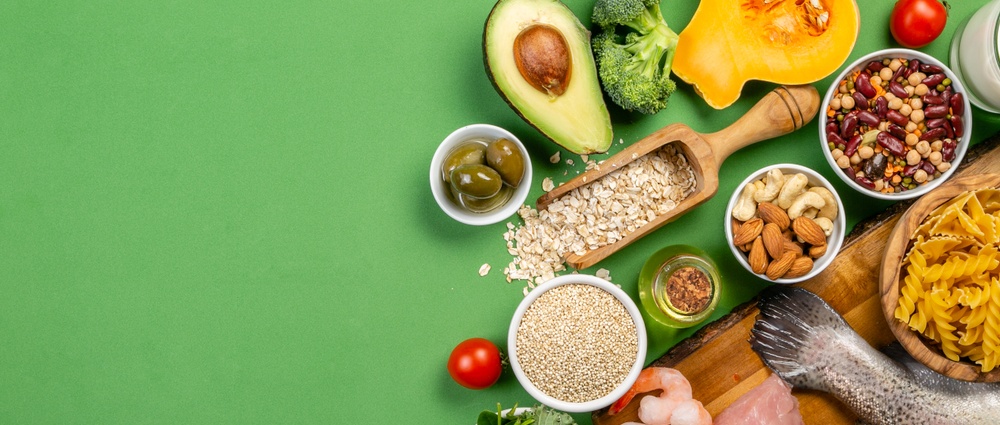
Fruits and vegetables - such as leafy greens, colourful veggies, and berries are packed with antioxidants, fibre, and vitamins.
Fatty fish - for example, salmon and sardines are rich in omega-3s, vitamin D, and selenium.
Nuts and seeds - give you healthy fats and minerals, such as magnesium, and vitamin E.
Wholegrains - offer vitamins and fibre.
Legumes - including beans and lentils contain fibre, protein, magnesium, and polyphenols.
Fermented foods - such as yoghurt, kefir, sauerkraut, and kimchi boost your gut health, which supports better digestion and a stronger immune system.
Extra virgin olive oil - is high in polyphenols.
Which diets might help slow ageing?
Certain diets and eating patterns can help promote longevity and support healthy ageing.
Clifford explains that the Mediterranean diet is the best-known - and most widely studied - of these approaches.
"It is full of fruits, vegetables, olive oil, whole grains, fish, and legumes, and it has been linked to lower rates of heart disease and cognitive decline," she says.
"The DASH diet, which was initially designed to help lower blood pressure, is also excellent for healthy ageing."
Elena Rolt is a registered nutritional therapist from health.miro, UK. She explains that intermittent fasting can also offer health benefits, including potential effects in slowing the ageing process.
"Clinically, intermittent fasting supports metabolic and brain health, lowers inflammation, and improves gut integrity," she says. "It also helps to regulate your hormones related to hunger, satiety, and reproductive function."
She adds that calorie restriction and a fasting-mimicking diet can enhance nutrient-dense foods by boosting their benefits to improve metabolism, reduce inflammation, and support cell renewal.
In short, being mindful of the foods we include in our diet is a key step towards staying healthier, and living longer. It works hand in hand with other building blocks of longevity - such as regular exercise, managing stress, and getting enough sleep. While diet isn’t the only factor that supports a long, healthy life, it plays a significant role in a lifestyle that benefits both our inner and outward health.
Patient picks for Diet
Diet and nutrition
Simple ways to follow a Mediterranean diet
A Mediterranean diet conjures up an image of fresh fish and colourful salads doused in olive oil, washed down with a glass of red wine - all while sitting in the sun of course. While we may not have reliable sunshine in the UK, we can certainly tap into the wide-ranging health benefits offered by the Mediterranean diet.
by Lynn Stephen

Hormones
The 'second puberty': why you might be breaking out in your thirties
If you’re in your late thirties, you may have noticed a sudden outbreak of spots - something that feels a lot like acne, even though you thought you’d left your teenage skin behind. Some people even call it a ‘second puberty’. But according to dermatologist Dr Shamsa Kanwal, it’s actually a hormonal shift that changes how your skin behaves as you approach midlife.
by Victoria Raw
About the authorView full bio
Updated by

Victoria Raw
Feature Writer
BA (Hons), English Literature
Victoria is a content writer at Patient, with special interests spanning mental wellbeing, societal trends and the impact of technology on our health.
Authored by
Victoria Raw
Feature Writer
BA (Hons), English Literature
Victoria is a content writer at Patient, with special interests spanning mental wellbeing, societal trends and the impact of technology on our health.
About the reviewerView full bio

Dr Colin Tidy, MRCGP
General Practitioner, Medical Author
MBBS, MRCGP, MRCP (Paediatrics), DCH
Dr Colin Tidy is an NHS Doctor, based in Oxfordshire.
Article history
Article also available in English, German, Spanish, French, Italian, Portuguese, Hindi, Hebrew, Arabic, and Swedish.
Next review due: 21 Jul 2029
21 Jul 2026 | Latest version
13 May 2025 | Originally published
Authored by:
Victoria Raw
Join the conversation
Share your thoughts or experiences with others in our patient communities.

Ask, share, connect.
Browse discussions, ask questions, and share experiences across hundreds of health topics.

Feeling unwell?
Assess your symptoms online for free
Sign up to the Patient newsletter
Your weekly dose of clear, trustworthy health advice - written to help you feel informed, confident and in control.
By subscribing you accept our Privacy Policy. You can unsubscribe at any time. We never sell your data.