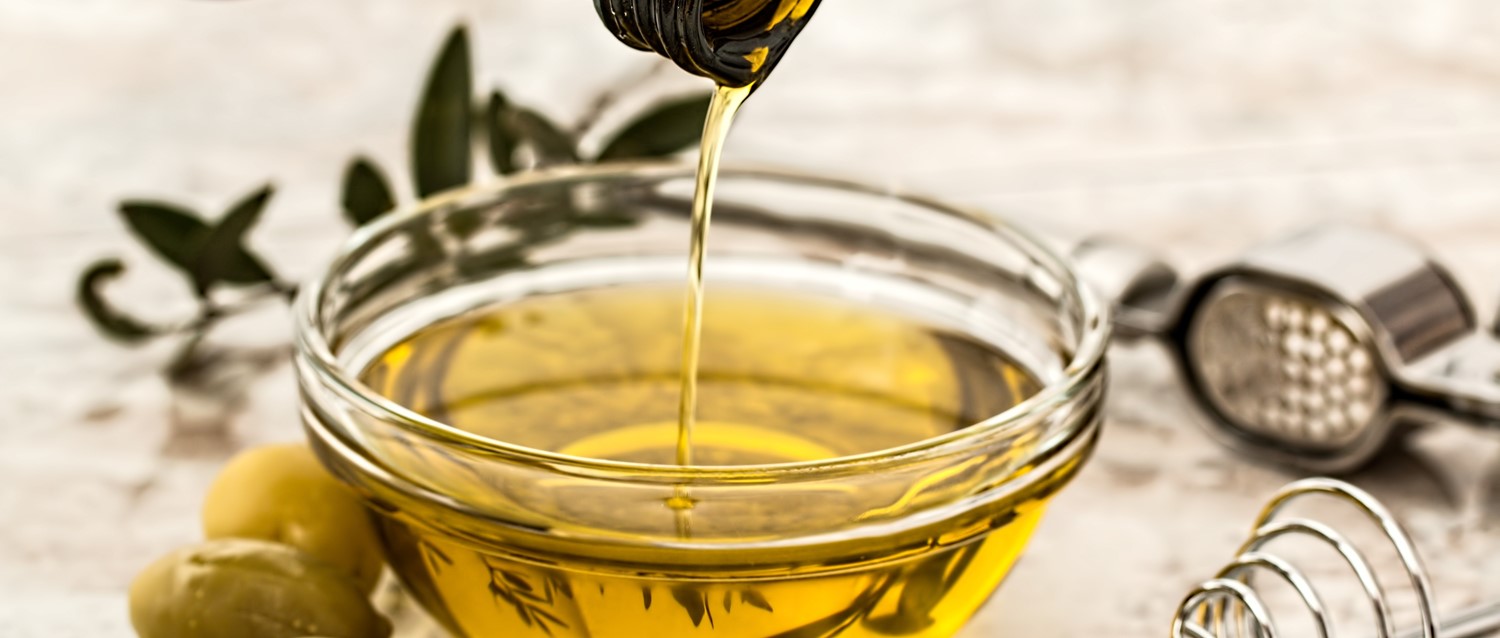
Is drinking olive oil good for you?
Peer reviewed by Dr Krishna Vakharia, MRCGPLast updated by Victoria RawLast updated 29 Jul 2024
Meets Patient’s editorial guidelines
- DownloadDownload
- Share
- Language
- Discussion
- Audio Version
- Add to preferred sources on Google
A bottle of it can be found in most people's kitchens, but how are celebrities like Goldie Hawn, Jennifer Lopez, and Kourtney Kardashian taking their love for olive oil and its health benefits to the next level?
By drinking olive oil, celebrities and influencers believe they're getting a more potent wellness boost from this healthy cooking oil. We explore what these benefits are, whether drinking it is better than cooking with it, and how safe this trend is, especially in high quantities.
Health benefits of olive oil
You may use it when cooking, but how much do you know about the health benefits of olive oil? Let's start with the basics.
Olive oil is extracted from olives that grow on trees mainly in the Mediterranean region. As such, olive oil is the main source of fat within the Mediterranean diet. It's no coincidence that this diet has been linked with blue zones - pockets of the world where populations have the longest life expectancy. While there are many other diet factors involved here, evidence suggests that olive oil plays a key role.
Olive oil is rich in antioxidants, monounsaturated - or healthy - fat, and is anti-inflammatory. As a result, it's been linked with a reduced risk of several health conditions.
Here's a snapshot of the evidence
Cancer - the main monounsaturated fat in olive oil, called oleic acid, may reduce the risk of breast cancer, although more studies are needed1. There is also evidence that phenols in olive oil may help to prevent colorectal cancer2.
Gut-related illness - the same study concluded this was because phenols could support a healthy gut and boost intestinal immunity. This may be useful for people with conditions such as irritable bowel syndrome (IBS)2.
Cardiovascular disease and stroke - a review of 32 studies found that the monounsaturated fat in olive oil was associated with a reduced risk of stroke and heart disease3.
Rheumatoid arthritis - one study suggests that the antioxidants in olive oil may improve inflammation, such as swollen joints, and reduce oxidative stress - cell damage caused by unstable atoms - in people with rheumatoid arthritis4.
Should you drink olive oil?
Many celebrities and influencers have sworn by daily olive oil shots, promoting drinking olive oil as the latest and worst-kept health and beauty secret. However, while we know that olive oil is packed with goodness, consuming large amounts of olive oil can have harmful side effects and cause serious health problems. It can even be dangerous.
"Olive oil has many health benefits but drinking it is not needed," says Kirsten Jackson, consultant dietitian at The Food Treatment Clinic. "Per tablespoon, olive oil is 110 calories, and so drinking it can cause excess calorie intake, which will lead to weight gain."
Many experts agree that most people following a regular, balanced diet already get enough oil through healthy cooking and meal preparation. Too much fat - whether healthy or unhealthy - may contribute to weight gain and associated health issues, such as type 2 diabetes and high cholesterol.
"Fat in general, regardless of the source, can trigger the gastro-colic reflex causing looser stools - poo - especially in those with IBS," adds Jackson.
So, what of the claims made by fans of the olive oil shot?
Is drinking olive oil good for bloating?
While olive oil has benefits for gut health, the evidence that drinking it every day can help reduce bloating is medically unproven. This may work for some, but every person has different factors that influence digestion, including food intolerances, hormonal changes, and stress. It can help relieve constipation.
Does drinking olive oil help your skin?
Olive oil is bursting with antioxidants, including vitamin E - which can slow down skin cell damage and trigger collagen production - that helps to keep skin looking younger. It's also antibacterial, which may improve common skin conditions such as eczema and acne. However, the jury's out on whether drinking olive oil can make a real and visible difference.
Olive oil - how to do it right
So, experts don't generally advise drinking this beauty food. Instead, a Mediterranean diet-style approach is a much more tried and tested way to reap the benefits of olive oil without making your diet high-fat. Consuming olive oil in moderation in a Mediterranean diet can even tackle obesity1.
Remember, quality comes over quantity. Extra virgin olive oil is high-quality because it undergoes less processing than other forms. This means that it retains more of the antioxidants and other compounds from the olives.
The ideal olive oil intake
According to the European Food Safety Authority (EFSA) and the Food and Drug Association (FDA), two tablespoons of extra virgin olive oil a day is enough to reduce your chance of developing health issues such as inflammation and heart conditions.
If you think about the amount you use to fry and roast food, or include as salad dressings, making this your oil of choice in food preparation is an easy way to reap the benefits of olive oil. Better still, replace unhealthy saturated fats - such as butter - with olive oil, to really look after your heart and maintain a healthy weight.
The takeaway? Yes, olive oil can support your health in a big way in small amounts. But there's no need to drink it.
Further reading
Patient picks for Healthy eating
Diet and nutrition
How to eat well when it's hard to shop and cook
Ultra-processed food - such as canned soup and ready meals - is an obvious go-to for people who struggle to shop and cook. But a new study finds it is associated with a higher risk of all-cause mortality. Can we avoid it?
by Ellie Broughton
Diet and nutrition
How to eat healthily on a tight budget
When you're busy trying to make ends meet, it can be all too easy to overlook a healthy diet. After all, products marketed as 'health foods' can often be pricey. But there are plenty of cheaper, just as nutritious, options out there for people who are watching their pennies.
by Gemma Grange
About the authorView full bio
Updated by

Victoria Raw
Feature Writer
BA (Hons), English Literature
Victoria is a content writer at Patient, with special interests spanning mental wellbeing, societal trends and the impact of technology on our health.
Authored by

Amberley Davis
Senior writer
BA (Hons), CPD
Amberley is a senior writer with Patient and has written extensively on a range of health and wellbeing topics.
About the reviewerView full bio

Dr Krishna Vakharia, MRCGP
Chief Medical Officer for Health, Optum UK
MBChB, MRCGP(2013), BMedSci (hons), DFSRH, DRCOG, PGDipDerm (Distn)
Dr Krishna Vakharia is an NHS GP. She is also a regular examiner for the postgraduate Diploma in Practical Dermatology at Cardiff University as well as being the Chief Medical Officer for health at Optum UK.
Article history
Article also available in English, German, Spanish, French, Italian, Portuguese, Hindi, Hebrew, Arabic, and Swedish.
Next review due: 30 Jul 2027
29 Jul 2024 | Latest version
9 Aug 2022 | Originally published
Authored by:
Amberley Davis
Join the conversation
Share your thoughts or experiences with others in our patient communities.

Ask, share, connect.
Browse discussions, ask questions, and share experiences across hundreds of health topics.

Feeling unwell?
Assess your symptoms online for free
Sign up to the Patient newsletter
Your weekly dose of clear, trustworthy health advice - written to help you feel informed, confident and in control.
By subscribing you accept our Privacy Policy. You can unsubscribe at any time. We never sell your data.