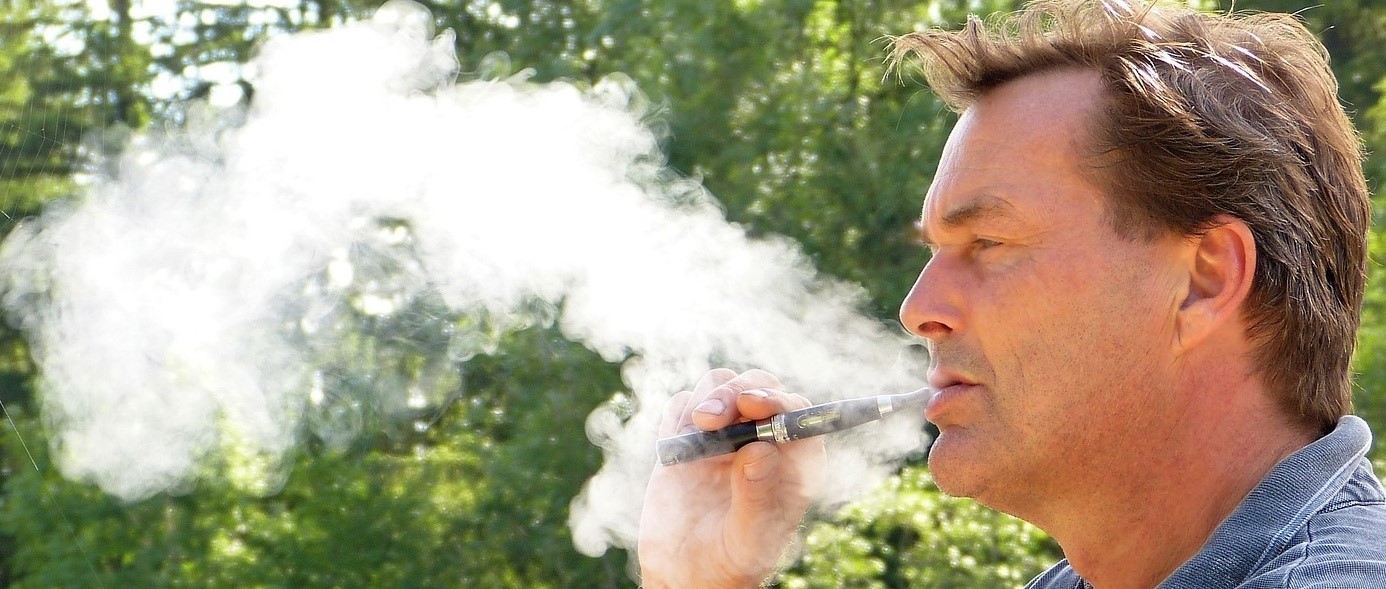
E-cigarettes could be prescribed on the NHS in world first
Peer reviewed by Dr Sarah JarvisAuthored by Emily Jane BashforthOriginally published 20 Nov 2021
Meets Patient’s editorial guidelines
- DownloadDownload
- Share
- Language
- Discussion
- Audio Version
- Add to preferred sources on Google
As part of the government's ambition to make England smoke-free by 2030, we could become the first country in the world to prescribe medicinally licensed e-cigarettes.
With the government wanting to reduce smoking rates, prescribing e-cigarettes could be a way of helping people stop smoking tobacco products.
What do those in charge think?
The idea is still in its early stages and medical regulators will collaborate with manufacturers to ensure the products are safe and effective. However, Health and Social Care Secretary Sajid Javid welcomes the step forward in the licensing process for manufacturers.
"This country continues to be a global leader on healthcare, whether it's our COVID-19 vaccine rollout saving lives or our innovative public health measures reducing people's risk of serious illness.
"Opening the door to a licensed e-cigarette prescribed on the NHS has the potential to tackle the stark disparities in smoking rates across the country, helping people stop smoking wherever they live and whatever their background," he said.
How will it work?
The Medicines and Healthcare products Regulatory Agency (MHRA) is now allowing manufacturers to submit their e-cigarette products for approval. The regulatory approvals for e-cigarettes are the same as for other medicines available on the health service.
Those given the green light could become licensed medical products. However, it will be down to clinicians to decide on a case-by-case basis whether prescribing an e-cigarette would help a tobacco smoker quit.
It remains the case that non-smokers and children are strongly advised against using e-cigarettes.
Will prescribing e-cigarettes actually reduce smoking rates?
Most e-cigarettes contain nicotine and they are not risk free. However, expert reviews from the UK and USA have been clear that the regulated e-cigarettes are less harmful than smoking. A medicinally licensed e-cigarette would have to pass even more rigorous safety checks.
Smoking remains the leading preventable cause of premature death. While rates are at record low levels in the UK, there are still around 6.1 million smokers in England.
E-cigarettes were the most popular aid used by smokers trying to quit in England in 2020. They have been shown to be highly effective in supporting those trying to quit, with 27.2% of smokers using them. In comparison, 18.2% use nicotine replacement therapy products, such as patches and gum.
Some of the highest success rates of those trying to quit smoking are among people using an e-cigarette to kick their addiction. Up to 68% of smokers successfully quit in 2020-2021 if they combined e-cigarettes with expert input from local Stop Smoking services.
Almost 64,000 people died from smoking in England in 2019 and the Office for Health Improvement and Disparities (OHID) is supporting efforts to level up public health and ensure communities across the country have equal health outcomes.
The e-cigarette initiative also hopes to tackle the stark differences in smoking rates across the country. Smoking rates in Blackpool (23.4%) and Kingston upon Hull (22.2%) are poles apart from rates in wealthier areas, such as Richmond upon Thames (8%).
Reducing health disparities - including in smoking rates - and keeping people in better health for longer are good for the individual, families, society, the economy and the NHS. To achieve this overall ambition, the OHID will work collaboratively at national, regional and local levels. They will also work alongside the NHS, academia, the third sector, scientists, researchers and industry.
The government will soon publish a new Tobacco Control Plan which will set out the roadmap for achieving a smoke-free England by 2030.
Patient picks for Smoking and vaping

Healthy living
How quitting smoking affects your mental health
Quitting smoking is a challenge for most people who are used to lighting up as part of their daily routine, but it can be particularly difficult if you struggle with your mental health. We explore how to make the process as painless as possible, and the emotional benefits of stubbing out the habit.
by Abi Millar
Healthy living
How to resist the toughest cigarette cravings
Nicotine cravings are triggered by a variety of physical and psychological factors. Knowing what these are, when they are likely to occur and how to distract yourself can go a long way towards helping smokers quit for good. We ask a GP for their advice.
by Julian Turner
About the authorView full bio
Authored by

Emily Jane Bashforth
Feature Writer
NCTJ
Emily is a Feature Writer with Patient, writing articles on a variety of topics relating to health and well-being.
About the reviewerView full bio

Dr Sarah Jarvis
Clinical Consultant
MA (Cantab), BM, BCh (Oxon), DRCOG, FRCGP, MBE
After training in medicine at Cambridge and Oxford, Dr Sarah Jarvis MBE became a GP.
Article history
Article also available in English, German, Spanish, French, Italian, Portuguese, Hindi, Hebrew, Arabic, and Swedish.
20 Nov 2021 | Originally published
Authored by:
Emily Jane BashforthPeer reviewed by
Dr Sarah Jarvis
Join the conversation
Share your thoughts or experiences with others in our patient communities.

Ask, share, connect.
Browse discussions, ask questions, and share experiences across hundreds of health topics.

Feeling unwell?
Assess your symptoms online for free
Sign up to the Patient newsletter
Your weekly dose of clear, trustworthy health advice - written to help you feel informed, confident and in control.
By subscribing you accept our Privacy Policy. You can unsubscribe at any time. We never sell your data.