Can I take antihistamines with asthma?
Drug interaction guide
Originally published 30 Apr 2026
Meets Patient’s editorial guidelines
- DownloadDownload
- Share
- Language
- Discussion
- Audio Version
- Add to preferred sources on Google
While antihistamines are generally safe for people with asthma, older 'sedating' antihistamines (like chlorphenamine) can occasionally make asthma symptoms harder to manage by drying out the airways. Additionally, some people with asthma may have a higher risk of allergic reactions to certain ingredients in liquid medications.
Why this happens
Older, first-generation antihistamines (like chlorphenamine) have 'anticholinergic' effects. This means they can reduce the amount of mucus in the airways, making the remaining mucus thicker and harder to cough up. This can potentially irritate the lungs or make a cough feel more 'tight'. Modern, non-drowsy antihistamines (like cetirizine or loratadine) have very little of this effect.
What you should do
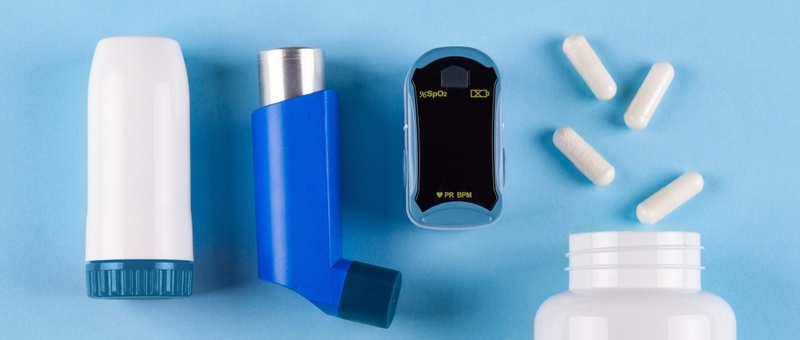
If you have asthma, it is usually best to choose a modern, non-drowsy antihistamine (such as cetirizine, loratadine, or fexofenadine) rather than older, sedating ones. Always keep your blue 'reliever' inhaler with you. If you notice your chest feeling tighter or your cough becoming drier and more difficult after starting an antihistamine, stop taking it and speak to your GP or pharmacist.
Important precautions
Drowsiness and impairment
These medicines can cause severe drowsiness and significantly impair your ability to drive or operate machinery. The effect is greatly increased if you drink alcohol.
Mental health changes
Montelukast can cause serious neuropsychiatric events, including agitation, sleep disturbances, depression, and suicidal thoughts. If you notice any change in mood or behaviour, stop the medicine and contact a doctor immediately.
Food and drink warnings
Alcohol
It is best to avoid or strictly limit alcohol when taking antihistamines. Alcohol significantly increases the sedative effects of these medicines, making you much more drowsy, dizzy, and clumsy, which increases the risk of accidents.
Fruit Juices (Grapefruit, Orange, Apple)
Do not drink grapefruit, orange, or apple juice while taking fexofenadine. These juices can significantly reduce the amount of medicine your body absorbs, making the treatment less effective. It is best to take fexofenadine with water.
Char-grilled or Flame-broiled foods
Eating large amounts of char-grilled meat can speed up how quickly your body clears these medicines, potentially making your asthma treatment less effective.
Caffeine (Coffee, Tea, Energy drinks, Cola)
You should avoid or strictly limit drinks containing caffeine. Caffeine is chemically similar to theophylline and aminophylline and can increase the risk of side effects such as heart palpitations, tremors, anxiety, and difficulty sleeping.
High-protein or High-carbohydrate meals
Significant changes to your diet (such as starting a very high-protein or very high-carbohydrate diet) can change how your body processes theophylline and aminophylline. Consult your doctor before making major dietary changes.
Using other medicines
Taking multiple medicines? Our Medicines Interaction Checker helps you check whether your prescriptions, over-the-counter medicines, and supplements are safe to take together. Simply search for your medicines to see potential interactions and what to do about them.
Patient picks for Drug interactions

Drug interactions checker
Can I take Guanfacine and Tizanidine together?
Taking these two medicines together can cause your blood pressure to drop too low and make you feel very sleepy or dizzy. You may feel faint, lightheaded, or even pass out, especially when standing up quickly. It can also significantly slow your heart rate.

Drug interactions checker
Can I take Allopurinol and Nortriptyline together?
There is no known direct interaction between allopurinol and nortriptyline. However, both medications can occasionally cause side effects that affect the liver or blood counts. Taking them together does not typically increase these risks, but it is important to be aware of how you feel.
Join the conversation
Share your thoughts or experiences with others in our patient communities.

Ask, share, connect.
Browse discussions, ask questions, and share experiences across hundreds of health topics.

Feeling unwell?
Assess your symptoms online for free
Sign up to the Patient newsletter
Your weekly dose of clear, trustworthy health advice - written to help you feel informed, confident and in control.
By subscribing you accept our Privacy Policy. You can unsubscribe at any time. We never sell your data.