
Which medications can affect your contraception?
Peer reviewed by Dr Sarah JarvisAuthored by Natalie HealeyOriginally published 15 Oct 2020
Meets Patient’s editorial guidelines
- DownloadDownload
- Share
- Language
- Discussion
- Audio Version
- Add to preferred sources on Google
Some medicines, such as epilepsy and HIV treatments, are known to stop hormonal birth control working as effectively as it's supposed to. But there is some debate about whether other medications such as antibiotics can cause contraception problems too. We take a look at the latest research.
Sign up for our free 8-week Healthy Pregnancy course!
Each week we’ll share useful information and essential tips on topics such as nutrition, exercise, mental health, symptoms to look out for, and preparing for childbirth, to help you navigate your pregnancy journey whatever stage you are at.
By subscribing you accept our Privacy Policy. You can unsubscribe at any time. We never sell your data.
Suspicions that antibiotics might reduce the effectiveness of hormonal contraceptives date back to the 1970s but conclusive evidence on the subject has been hard to find. Now, a study suggests women taking hormonal birth control should take extra precautions to avoid unintended pregnancy if they are prescribed antibiotics.
But this contradicts current advice which says most antibiotics don't interfere with the pill and other hormonal contraceptives like the patch, implant and ring. The exception is drugs used to treat serious bacterial infections such as tuberculosis and meningitis called 'rifampicin-like' antibiotics. They include rifampicin and rifabutin and there is evidence that these medications can stop hormonal contraception working as well as it should do.
Which medicines affect the pill?
There are a few other types of medications that you have to be careful about if you're taking hormonal contraception. Some medicines are 'enzyme-inducing', meaning they can speed up the way the body processes other medications (including contraceptive hormones and emergency contraception), making them less effective.
Enzyme-inducing medicines include the rifampicin-like antibiotics, some drugs used to treat epilepsy, some HIV medicines and St John's wort, a herbal remedy for depression.
Dr Catherine Armitage, spokesperson for the Faculty of Sexual and Reproductive Healthcare (FSRH), says doctors and nurses prescribing hormonal contraception should always ask women about their current and previous medicine use. And this should include "over-the-counter medicines, herbal remedies, recreational drugs and dietary supplements" as it's not just prescribed medications that can cause interactions.
Dr Shree Datta, gynaecologist and spokesperson for menstrual cup brand Intimina, points out that weight-loss medications such as orlistat might affect the contraceptive pill too. This is because if diarrhoea occurs as a side effect, it could decrease the absorption of the pill's hormones into the bloodstream; diarrhoea or vomiting due to any cause can have the same effect.
"It's important to make sure your doctor is aware of what medications you are currently taking so that we can consider whether your medications will interact and affect how they work," she suggests. "Bring a list or photo if you're unsure as it can be difficult to remember the drug names!"
What about antibiotics?
In the antibiotics study, published in BMJ Evidence-Based Medicine, researchers used reports of suspected unwanted drug side effects, known as 'Yellow Cards' flagged up by doctors and the public to the UK's medicines regulator, the Medicines and Healthcare products Regulatory Agency (MHRA).
They looked at the number of unplanned pregnancies reported for three sets of medicines: enzyme-inducing drugs (like the ones mentioned above), non-enzyme-inducing antibiotics and medicines used by women of childbearing age which have no known or suspected interactions with hormonal contraception. "We picked these at random from a hospital formulary," reveals research co-author Professor Robin Ferner from the University of Birmingham.
Compared with medications that weren't thought to interact with hormonal contraception, unintended pregnancies were seven times more common in Yellow Card reports of antibiotics and 13 times more common in reports of enzyme-inducing drugs.
The research suggests women taking hormonal contraceptives who are prescribed antibiotics should take extra precautions to avoid pregnacy if appropriate, such as using condoms for seven days after finishing the course.
What's the current advice?
But according to the FSRH, which analysed all previously published studies on the subject, this might be unnecessary. It found most antibiotics don't reduce the effectiveness of hormonal contraception.
In a statement, the organisation said: "Before there is a change to clinical guidance the limitations of this study need to be assessed. The most important of these is reporting bias. Clinicians and patients are more likely to report an unintended pregnancy to the MHRA as they believe that antibiotics interact with oral contraceptives."
This means patients who took antibiotics are likely to believe the unplanned pregnancy occurred because of the medicine, but it may have happened for other reasons such as forgetting to take the pill on one or more days. There is a particular risk of becoming pregnant if you miss pills at the end or beginning of a packet. And even if taken perfectly, no type of contraception is 100% effective.
How to ensure your contraception is as effective as possible
The guidelines around antibiotics and hormonal contraception may change in the future. Armitage advises women to speak with their doctor before changing or stopping any course of medication about whether it will affect their contraception.
"They will be able to advise the best course of treatment to make sure women can take their medications safely while using a suitable method of contraception to prevent unplanned pregnancies," she says. "If your practice has a clinical pharmacist working for them, they may be able to advise on this too."
There are safe and effective alternatives for people who aren't able to use hormonal contraception because of medication interactions. "The copper IUCD, one of the most effective methods, as well as the contraceptive injection, are not affected by any drug interactions," says Armitage.
For women taking the contraceptive pill, Datta emphasises the importance of taking it at the same time each day and making sure to start a new pill packet on the date you're meant to. Read the leaflet that comes with your brand of pill carefully so you know what to do if you miss a day, as you may need to take extra precautions.
"We want to make sure both your contraceptive pill and any other medication can do the job they need to do," she says.
Patient picks for Contraception

Sexual health
When will I become fertile again after coming off contraception?
If you want to have a baby, you’ve probably got a lot of questions - including how long it can take for you to become fertile again if you’ve been on the contraceptive pill or the coil. And while everyone is different, here’s what we know about fertility after coming off different kinds of contraception.
by Lydia Smith
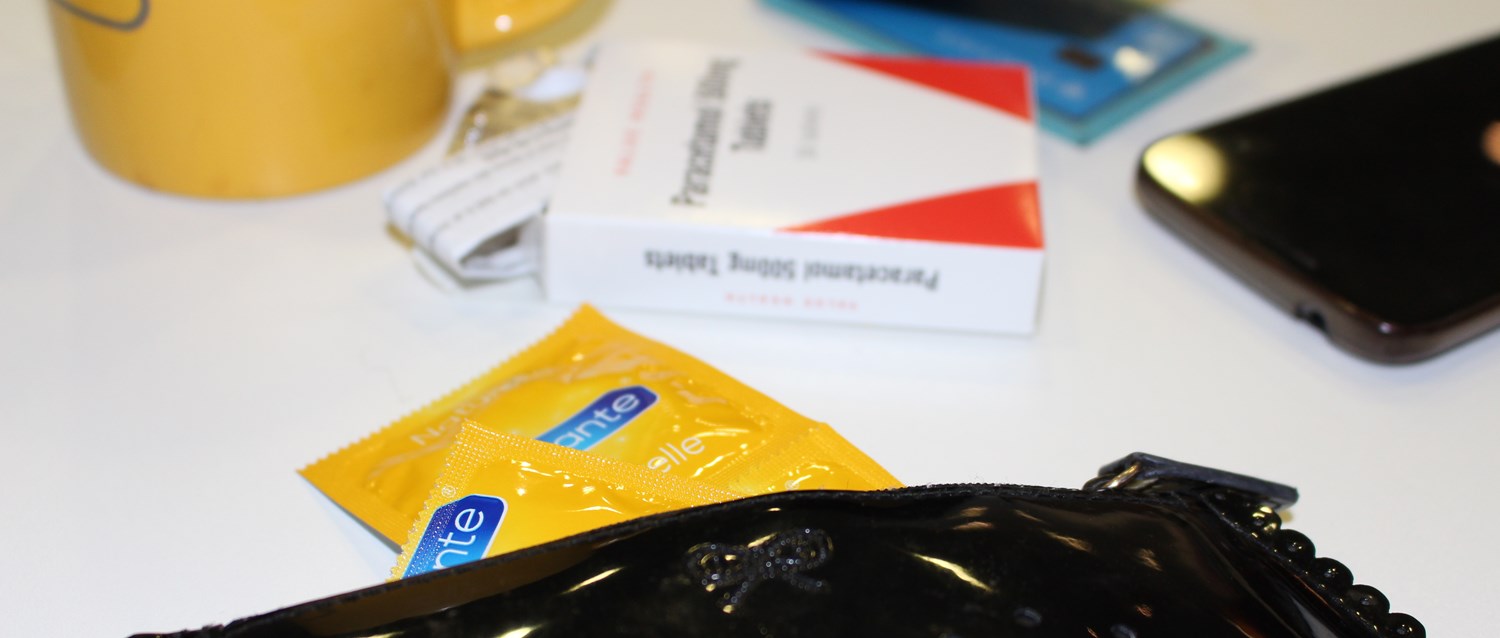
Sexual health
Which types of condoms are best for preventing pregnancy?
There are many different condoms to choose from, in a variety of colours, shapes and sizes. A condom helps to prevent sexually transmitted infections (STIs) and, when used correctly, helps protects against pregnancy 98% of the time. But the figures are often not as good in practice because condoms aren't always used correctly.
by Victoria Raw
Frequently asked questions
What are 'rifampicin-like' antibiotics and why are they an exception?
Rifampicin-like antibiotics, such as rifampicin and rifabutin, are drugs used to treat serious bacterial infections like tuberculosis and meningitis. These specific antibiotics are known to reduce the effectiveness of hormonal contraception, distinguishing them from most other antibiotics.
Can over-the-counter medicines or herbal remedies affect my contraception?
Yes, it's not only prescribed medications that can cause interactions. Over-the-counter medicines, herbal remedies (like St John's wort), recreational drugs, and dietary supplements can also interact with hormonal contraception and potentially make it less effective.
Why might doctors and patients report unplanned pregnancies to the MHRA when antibiotics are involved?
Doctors and patients are more likely to report an unintended pregnancy to the MHRA if they believe antibiotics could have caused it. This tendency, known as reporting bias, might lead them to attribute the pregnancy to the antibiotic use, even if other factors were involved, such as forgetting to take the pill.
Are there any contraceptive methods that are not affected by medication interactions?
Yes, the copper IUCD (intrauterine contraceptive device) and the contraceptive injection are not affected by any drug interactions. These can be safe and effective alternatives for individuals who take medications that might interfere with hormonal contraception.
What should I do if I forget to take my contraceptive pill?
It is important to read the leaflet that comes with your specific brand of pill carefully. This leaflet will provide instructions on what steps to take if you miss a day, as you may need to use extra precautions to prevent pregnancy.
About the authorView full bio
Authored by

Natalie Healey
Freelance journalist
BSc (Hons) Biomedical Science
She is a London-based health journalist who has been writing about science and medicine for several years. She is the former head of editorial at Patient.
About the reviewerView full bio

Dr Sarah Jarvis
Clinical Consultant
MA (Cantab), BM, BCh (Oxon), DRCOG, FRCGP, MBE
After training in medicine at Cambridge and Oxford, Dr Sarah Jarvis MBE became a GP.
Article history
Article also available in English, German, Spanish, French, Italian, Portuguese, Hindi, Hebrew, Arabic, and Swedish.
15 Oct 2020 | Originally published
Authored by:
Natalie HealeyPeer reviewed by
Dr Sarah Jarvis
Join the conversation
Share your thoughts or experiences with others in our patient communities.

Ask, share, connect.
Browse discussions, ask questions, and share experiences across hundreds of health topics.

Feeling unwell?
Assess your symptoms online for free
Sign up to the Patient newsletter
Your weekly dose of clear, trustworthy health advice - written to help you feel informed, confident and in control.
By subscribing you accept our Privacy Policy. You can unsubscribe at any time. We never sell your data.