What to pack on your babymoon
Peer reviewed by Dr Hayley Willacy, FRCGP Authored by Abi MillarOriginally published 10 Apr 2018
Meets Patient’s editorial guidelines
- DownloadDownload
- Share
- Language
- Discussion
- Ask Patient
- Audio Version
- Add to preferred sources on Google
If you've just booked your 'babymoon' (ie the last holiday you take before the baby arrives), you probably have high expectations. More so than your average holiday, the babymoon is under pressure to deliver - after all, this might be your last child-free break in quite some time.
Sign up for our free 8-week Healthy Pregnancy course!
Each week we’ll share useful information and essential tips on topics such as nutrition, exercise, mental health, symptoms to look out for, and preparing for childbirth, to help you navigate your pregnancy journey whatever stage you are at.
By subscribing you accept our Privacy Policy. You can unsubscribe at any time. We never sell your data.
Video picks for Diet and lifestyleVideo library
It stands to reason then, that you'll want to be super organised about what you bring along. There can be few situations more annoying than arriving at your destination, tired and frazzled after a long journey, only to realise you've forgotten something important.
It's advisable to jot down a list covering what you're likely to need. Since some of the essentials require a bit of forward planning (eg, insurance documents, letters from your doctor), you'll want to make a start on this well ahead of time.
Insect repellant and sunscreen
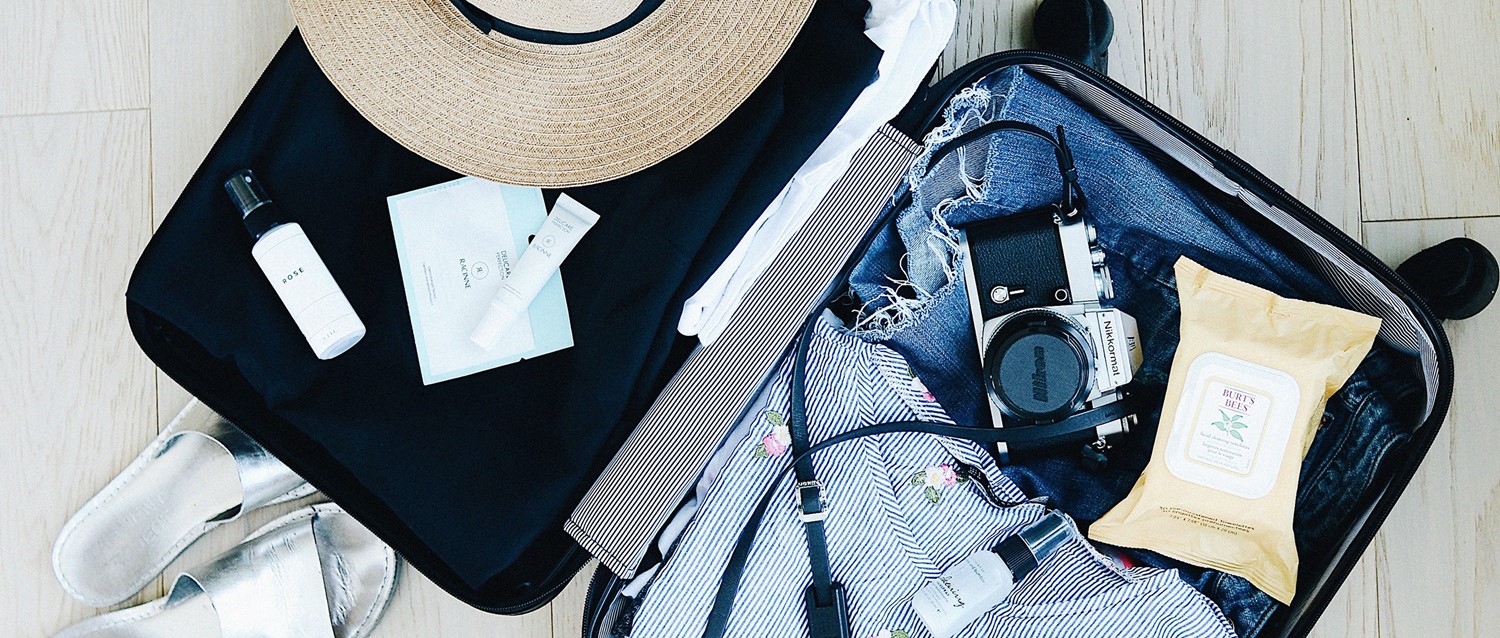
For the most part, these items won't be too far removed from what you'd ordinarily bring on holiday. Think travel-sized toiletries, passport, camera and guidebook. (Not to mention as many beach novels as you can cram into your suitcase - early parenthood is notoriously not the best time to read.)
While these are all very standard travel essentials, some of them acquire an extra importance during pregnancy.
"We say to always make sure you take a safe insect repellant, because there are places with malarial mosquitoes and so on, even in Europe," says Elizabeth Duff, senior policy advisor at NCT. "And it's generally good advice anyway, but make sure your sunscreen is a high factor because skin can be more susceptible to burning during pregnancy."
Regarding the malarial mosquitoes, pregnant women are actually more susceptible than their travel partners to being bitten. In one study, pregnant women attracted twice as many mosquitoes as their non-pregnant counterparts, likely due to increased body heat and volatile compounds released from the skin surface.
The sunscreen recommendation is crucial too. During pregnancy, your skin becomes drier and more sensitive, meaning that as well as sunburn, you are at greater risk of melasma, a darkening of the skin. Ideally pick a mineral-based sunscreen that contains no oxybenzone - some studies have linked chemicals of this kind with low birth weight in female infants.
Sensible clothes
Loose, light clothing is also critically important. Since pregnant women are more prone to temperature fluctuations, it's best to layer up.
"Remember if you're going away for two or three weeks, you are going to be quite a bit bigger by the end of the trip if you're at that stage of pregnancy," points out Duff. "Clothing is probably harder if you’re going to a colder country, so it needs a bit of thinking through."
You should also bring comfortable, easy-to-remove shoes, as your feet may swell in hot weather or during travelling. And if you're going to be flying long haul, you may want to look into compression stockings to improve your circulation and decrease the risk of deep vein thrombosis.
Snack selection
You might also want to bring a selection of snacks, both for the journey itself and for your actual stay. If there's a particular snack you like, it's worth keeping in mind that it may not be available at your destination. On a similar note, if you have particular nutritional requirements it's best to think about these ahead of time.
"You could bring dried fruit or something like that, because you might find you're going somewhere either fruit isn't easily available or could have been washed in unsafe water," says Duff. "Pregnant women can get a bit hungry at odd times, so if you've had jetlag you might wake up at times when a meal isn't on offer, feeling ravenous. Perhaps take some biscuits or crackers to safely assuage the hunger pangs."
Along with all your other essential documentation, you could include a list of foods to avoid abroad (this may differ from the foods you need to avoid at home) and keep it somewhere readily accessible.
Essential docs
However, the real priorities when it comes to documentation are you travel insurance and emergency contact details for your doctor. If you're past 28 weeks in your pregnancy, you should also include a letter from your doctor permitting travel, as your airline or ferry may require this.
"You should check your medical insurance obviously and make sure your stage of pregnancy is allowable within that," says Duff. "If you're travelling in Europe, there is the GHIC card. ."
On top of this, make sure to pack any prenatal vitamins and medication you regularly take, alongside other essential medications you might not be able to access. Chances are you won't need medical attention, but you want to feel safe and confident no matter what occurs.
As Duff points out: "The worst thing is not to be prepared if something goes wrong."
Patient picks for Diet and lifestyle
General health and lifestyle
What to pack for a hospital stay
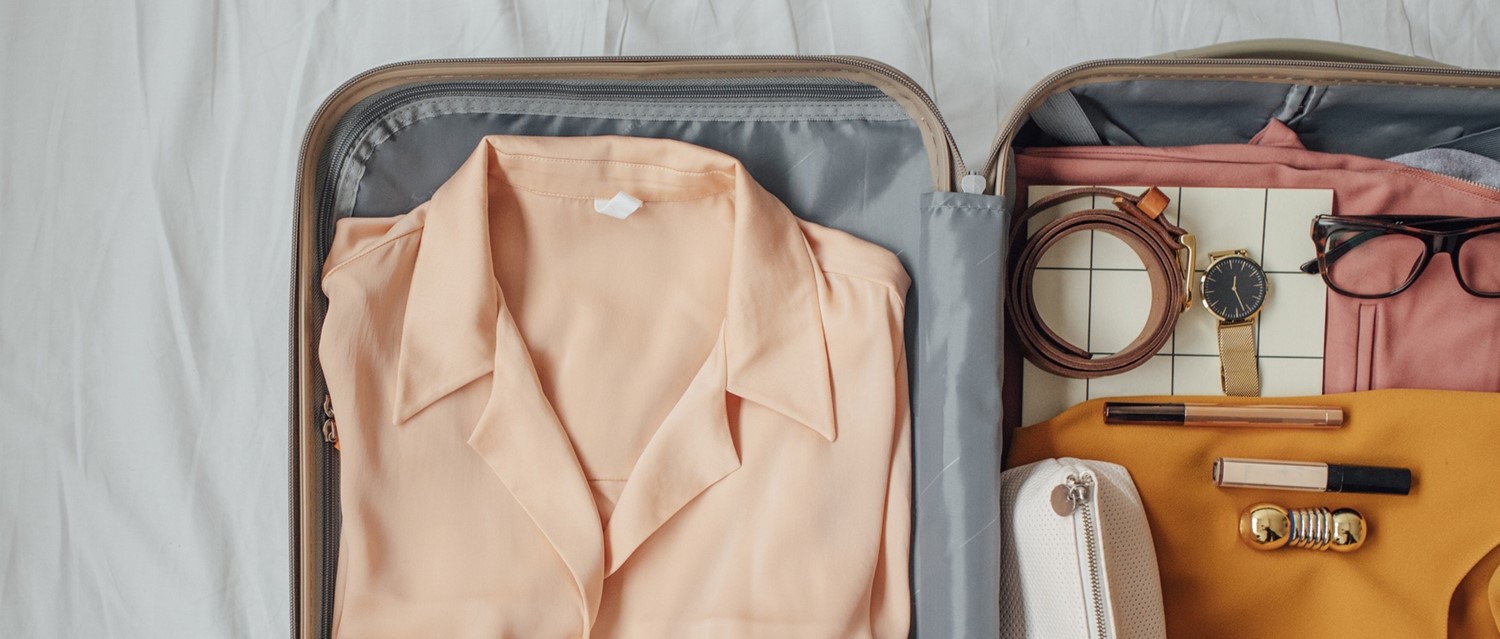
The thought of being in hospital can often feel overwhelming - even without the added dilemma of knowing what to take with you. We've put together a handy checklist of essential items to help you pack everything you need for a hospital stay.
by Victoria Raw

Children's health
Putting together a budget for your baby
Having a baby is one of the most exciting – and expensive things – you will ever do. Figures from The Money Advice Service show you’ll spend £4,000 on a child in their first year and by the time they’re 18, that could be a staggering £250,000.
by Danny Chadburn

Children's health
Toddler bedtime routine: how to get your child to sleep
Establishing a regular but flexible bedtime routine for your toddler is one of the best things you can do to resolve their sleep problems and create good sleep habits. Toddler bedtime routines that are calming, simple, and repetitive lead to many positive outcomes for both child and parent. If toddler tantrums at bedtime are an issue, there are steps you can take to help your little one feel calmer in the evenings.
by Amberley Davis
Children's health
When to worry about your baby's development
While each child will develop at their own rate, there are certain key milestones that parents tend to look out for. These can be reassuring when we notice them, but looking for milestones can also cause a lot of worry - especially if your child reaches them later than some of their peers.
by Gillian Harvey

Children's health
Feeding your toddler
This is the time when your child, with your help, will make the transition from a limited range of baby-specific food to eating healthy adult food.
by Dr Mary Elisabeth Lowth, FRCGP

Podcasts
The Big O... Oh No!
Clare and Janet discuss orgasms - and what can help if it isn’t happening for you or your partner. Also the myths surrounding female orgasm. Do you really know what the clitoris looks like?!
by Thomas Andrew Porteus, MBCS
About the authorView full bio
Authored by

Abi Millar
Freelance Journalist
BA (Hons), MA
Abi is a freelance journalist with a special interest in health and medicine writing.
About the reviewerView full bio

Dr Hayley Willacy, FRCGP
General Practitioner, Medical Author
MBChB (1992), DRCOG, DFFP, MRCOG (Part 1) MRCGP (2007), DFSRH (2013), MSc - medical education (2020)
Dr Hayley Willacy was an NHS GP working in northwest England, who retired from clinical practice in 2022 after 30 years.
Article history
Article also available in English, German, Spanish, French, Italian, Portuguese, Hindi, Hebrew, Arabic, and Swedish.
10 Apr 2018 | Originally published
Authored by:
Abi MillarPeer reviewed by
Dr Hayley Willacy, FRCGP
Share your thoughts or experiences with others in our patient communities.
Sign up to the Patient newsletter
Your weekly dose of clear, trustworthy health advice - written to help you feel informed, confident and in control.
By subscribing you accept our Privacy Policy. You can unsubscribe at any time. We never sell your data.